
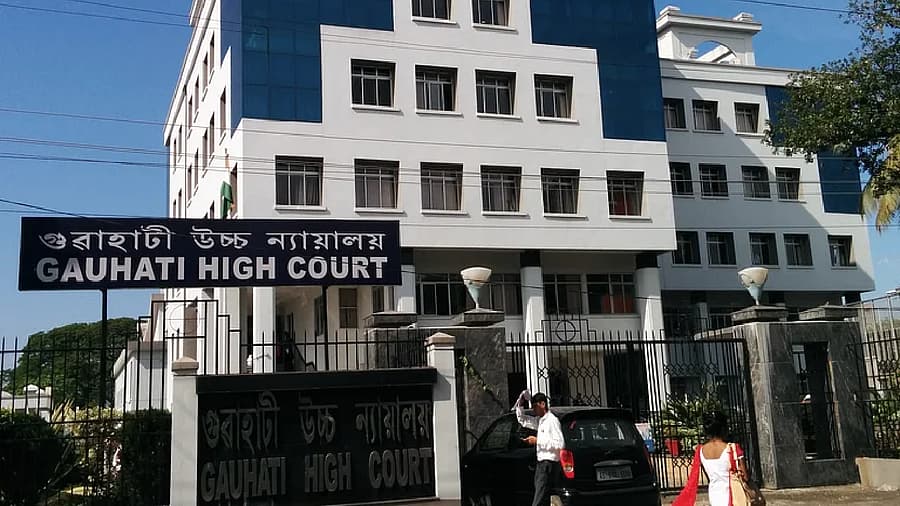
Gauhati High Court: Nchumbemo Mozhui, Helen Dawngliani Named Additional Judges
Summary
- The Central government has formally appointed Advocate Nchumbemo Mozhui and Judicial Officer Helen Dawngliani as additional judges to the Gauhati High Court.
- These appointments follow a recommendation made by the Supreme Court Collegium on August 18.
- The Gauhati High Court previously operated with a working strength of 24 judges against an approved strength of 30.
- The new judges will help reduce the existing judicial vacancies, enhancing the court's capacity.
Key Judicial Appointments at Gauhati High Court
The formal notification by the Central government today follows a well-established procedure for judicial appointments in India.
The Central government has formally announced the appointment of two new additional judges to the Gauhati High Court, a move poised to bolster the court's judicial strength. The notification confirms the elevation of Advocate Nchumbemo Mozhui and Judicial Officer Helen Dawngliani to these significant roles. These appointments represent a crucial step in addressing judicial vacancies within the High Court, ensuring continued access to justice for litigants in the region.
Nchumbemo Mozhui, who previously practiced as an advocate, brings valuable experience from the bar to the bench. His background as a legal practitioner offers a distinct perspective on judicial proceedings and case management. Similarly, Helen Dawngliani, a seasoned judicial officer, transitions from the lower judiciary, providing expertise grounded in the day-to-day administration of justice. The inclusion of individuals from both the bar and the subordinate judiciary is a common practice aimed at enriching the High Court's collective legal acumen. Both Nchumbemo Mozhui and Helen Dawngliani will serve as additional judges, a designation typically preceding a potential permanent appointment, designed to address immediate judicial needs and evaluate performance.
Understanding the Appointment Process
The formal notification by the Central government today follows a well-established procedure for judicial appointments in India. The Supreme Court Collegium, the apex body responsible for recommending judicial elevations, had put forward the names of Nchumbemo Mozhui and Helen Dawngliani on August 18. This recommendation marks the initial, critical phase of the appointment process, where the Collegium assesses candidates based on their legal expertise, integrity, and suitability for the high judicial office.
Following the Supreme Court Collegium recommendations, the proposal undergoes scrutiny and requires clearance from the government. The government's approval and subsequent issuance of the notification today signify the culmination of this multi-stage process, officially inducting the new judges into the Gauhati High Court. This collaborative mechanism between the judiciary and the executive underscores the checks and balances inherent in India's system for appointing High Court judges, ensuring that only qualified individuals are elevated to these esteemed positions. The timely progression from recommendation to notification highlights the ongoing efforts to streamline judicial appointments.
Impact on Court Capacity and Efficiency
These new appointments are particularly significant for the Gauhati High Court, which has been operating with a notable gap between its sanctioned and working judicial strength. Prior to these elevations, the High Court maintained a working strength of 24 judges. This figure stands in contrast to the approved strength of 30 judges, indicating a shortfall that can impact the court's ability to efficiently manage its caseload and expedite the disposal of cases.
The addition of Nchumbemo Mozhui and Helen Dawngliani as additional judges helps to narrow this gap, bringing the working strength closer to the sanctioned capacity. Such Gauhati High Court judicial appointments are vital for enhancing the overall judicial capacity, potentially leading to improved case listing, faster adjudication, and reduced pendency. The strategic filling of these vacancies through India High Court new judges is a continuous effort to ensure that the judiciary remains robust and capable of fulfilling its constitutional mandate. This development is a positive step towards optimizing the court's operational efficiency and ensuring timely justice delivery.
Practical Implications
Lawyers practicing in the Gauhati High Court should note the new judicial appointments, which may contribute to increased court capacity and potentially impact case listings or disposal rates. Monitoring the composition of benches with these new judges will be important for case strategy.
Source
Source: Per recent legal reporting
How does this affect you?
Get an AI analysis of this article grounded in your jurisdictions, practice areas, and any policy documents you've uploaded to Wansom.
Finish Reading the Full Story and the Expert Analysis.
Wansom is AI and can make mistakes.