
Gachagua: IEBC 2027 Election Rigging Claim Over New Digital System
Summary
- Former Deputy President Rigathi Gachagua accused the IEBC of plotting to rig the 2027 General Election.
- The alleged rigging scheme involves a digital voting system to be supplied by a South Korean company.
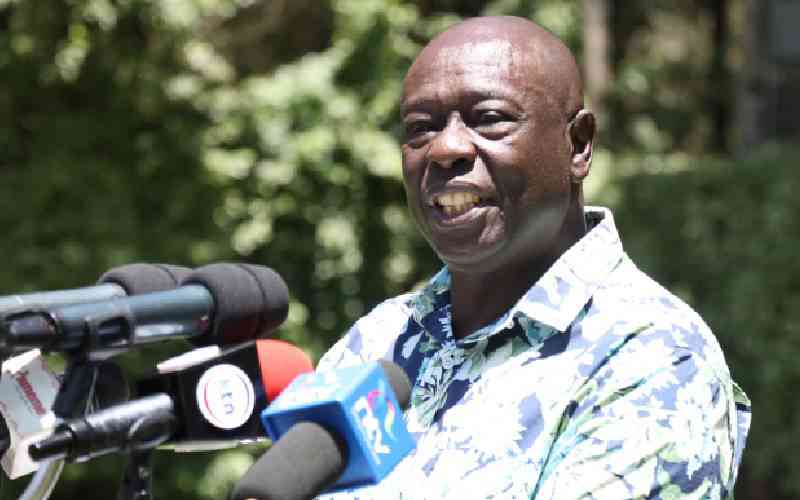
- Gachagua made these claims during a media briefing at his Karen residence in Nairobi on August 26, 2026.
- The accusation raises significant concerns about the integrity of election technology and the upcoming electoral process.
High-Profile Accusation Targets Electoral Commission
The accusation directly challenges the integrity of the electoral body's procurement processes and its impartiality in overseeing the next national vote.
Former Deputy President Rigathi Gachagua, who also leads the Democratic Congress Party (DCP), has publicly accused the Independent Electoral and Boundaries Commission (IEBC) of orchestrating a scheme to manipulate the outcome of the 2027 General Election. These serious allegations were made during a media briefing held at his Karen residence in Nairobi on August 26, 2026.
According to Gachagua, the alleged plot centers around the introduction of a new digital voting system. He specifically claimed that this system, which he asserts is intended for electoral malpractice, is slated for supply by a company based in South Korea. The accusation directly challenges the integrity of the electoral body's procurement processes and its impartiality in overseeing the next national vote.
Integrity Concerns Over 2027 Election Technology
The Independent Electoral and Boundaries Commission (IEBC) holds the crucial mandate of ensuring free, fair, and credible elections in Kenya. Central to this responsibility is the deployment and management of election technology, including digital voting systems, which are increasingly integral to modern electoral processes. The integrity of such systems is paramount, as any perceived flaw or compromise can severely undermine public confidence in the entire democratic exercise.
Gachagua's specific claims regarding a 'Kenya 2027 digital voting system' and its alleged procurement from a 'South Korean election kits Kenya' supplier raise significant questions about the transparency and fairness of the IEBC's preparations for the upcoming polls. Allegations of this nature, particularly concerning the technological infrastructure underpinning the vote, have the potential to erode trust in the electoral body's impartiality and its ability to deliver an undisputed election outcome. Ensuring robust 'IEBC election technology integrity' is a continuous challenge that becomes even more critical when such high-profile accusations are made.
Political Ramifications and Future Electoral Challenges
The 'Rigathi Gachagua IEBC accusation' carries substantial political weight, given his stature as a former Deputy President and a current party leader. Such a 'Gachagua IEBC 2027 election rigging claim' from a prominent opposition figure can significantly heighten political tensions and fuel public skepticism ahead of the 2027 General Election. These 'Electoral malpractice allegations Kenya' have the potential to destabilize the political environment and could lead to widespread 'Kenya electoral law 2027 challenges' if not addressed transparently and effectively.
Maintaining the integrity of the electoral process, particularly concerning technology, is vital for preventing disputes and ensuring the broad acceptance of election results. The allegations place the IEBC under intense scrutiny, demanding a robust response to safeguard its credibility and the public's faith in the democratic system as it prepares for the next national vote. The claims underscore the ongoing sensitivity surrounding election technology and procurement in Kenya's political landscape.
Practical Implications
Lawyers specializing in electoral law or constitutional matters should closely monitor developments regarding the IEBC's 2027 election technology procurement. These allegations could foreshadow significant legal challenges to future election processes or results, impacting advice to political clients and requiring preparation for potential election petitions.
Source
How does this affect you?
Get an AI analysis of this article grounded in your jurisdictions, practice areas, and any policy documents you've uploaded to Wansom.
Wansom is AI and can make mistakes.