
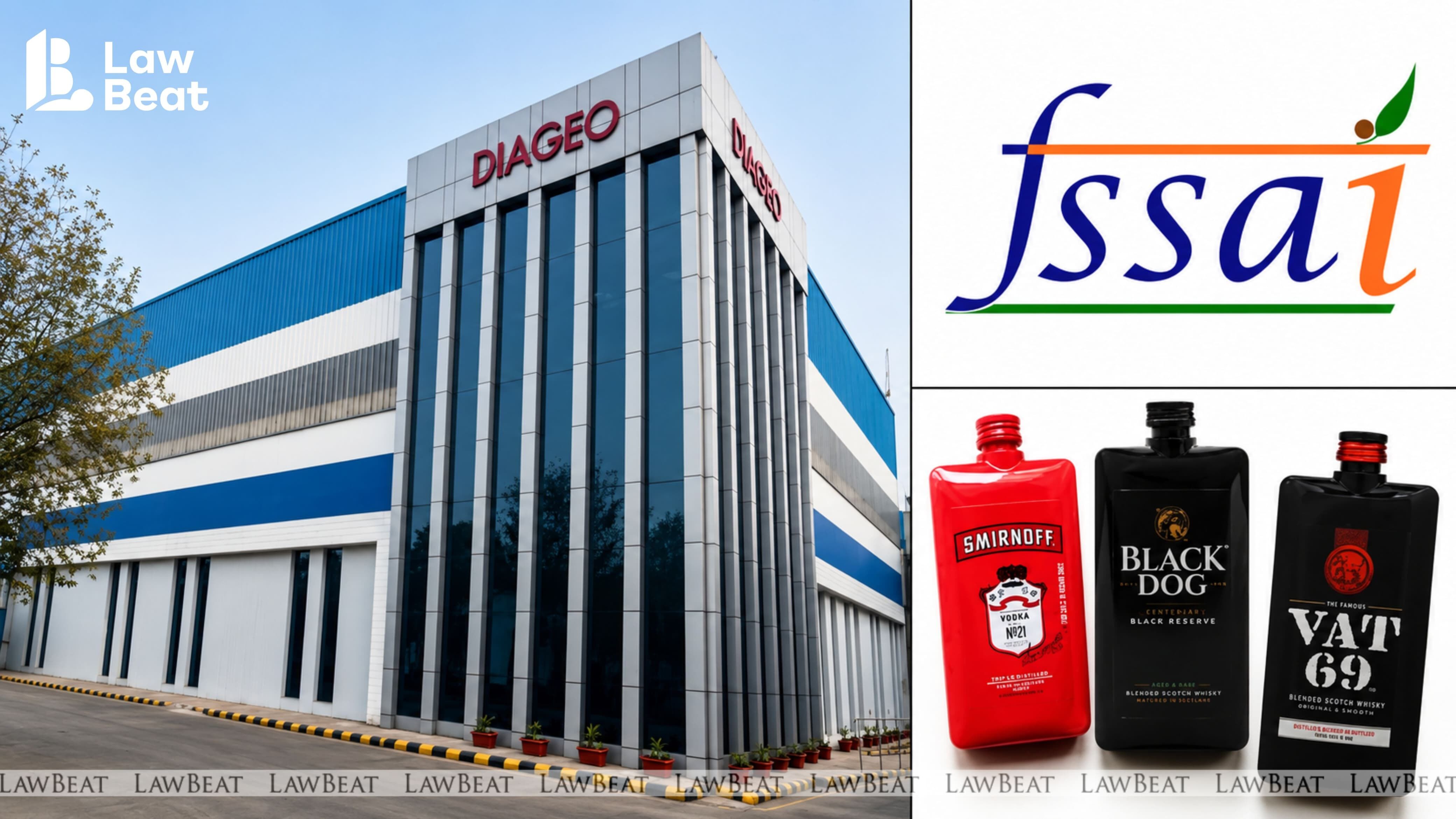
FSSAI Diageo Recycled Plastic Labelling Violation: 18K Liquor Boxes Seized
Summary
- FSSAI seized 18,000 boxes of Diageo liquor worth $1.6 million from a Bengaluru unit due to recycled plastic labelling violations.
- The liquor bottles, including brands like DSP Black Deluxe Whisky, lacked the mandatory government symbol verifying food-grade safe recycled PET material.
- United Spirits, a Diageo India entity, confirmed the quarantine, stating bottles were from an FSSAI-approved recycler and tests were conducted.
- This seizure is part of increased FSSAI scrutiny on liquor manufacturers, including separate actions against Diageo for "matured in American oak casks" claims and artificial flavouring.
- FSSAI cited concerns over food safety, misleading declarations, misbranding, and public health in its action.
What Happened: Bengaluru Seizure
Lawyers and compliance officers must immediately scrutinize product packaging and labelling to ensure strict adherence to FSSAI recycled PET material requirements, including the mandatory display of the food-grade recycled PET symbol.
Officials from the Food Safety and Standards Authority of India (FSSAI) recently executed a significant seizure at a Diageo unit in Bengaluru, targeting approximately 18,000 boxes of liquor. The action, which occurred during an inspection of the United Spirits facility, a Diageo India entity, stemmed from alleged non-compliance with mandatory food-safety and labelling requirements specifically concerning recycled plastic packaging. The seized products, valued at an estimated $1.6 million, included 180-ml plastic bottles of various brands such as DSP Black Deluxe Whisky, Smirnoff Zesty Lime Triple Distilled Flavoured Vodka, and VAT 69 blended Scotch whisky.
The core of the FSSAI Diageo recycled plastic labelling violation centered on the absence of a crucial marking. While the plastic bottles were identified as polyethylene terephthalate (PET) and were described as being made from recycled plastic, inspectors reportedly found they lacked the prescribed recycled PET symbol. This symbol is mandatory for food-use packaging in India, serving to verify that the recycled material is food-grade safe and suitable for contact with consumables.
Government documents reportedly indicated FSSAI's concerns extended beyond just the missing symbol, encompassing broader issues related to food safety, misleading declarations, and misbranding of the alcoholic beverages. The regulatory body explicitly stated that the action was taken in the interest of public health, underscoring the seriousness of the alleged non-compliance with India food-grade recycled plastic rules.
Company Response and Regulatory Context
In response to the regulatory action, United Spirits confirmed that certain bottles had been quarantined by authorities, pending further directives. The company asserted that the bottles in question were sourced from a recycler approved by the Food Safety and Standards Authority of India and that all mandatory tests had been conducted by its suppliers. United Spirits maintained that its products are "completely safe for consumption" and indicated it is actively engaging with FSSAI to resolve the matter.
This incident of United Spirits PET packaging non-compliance unfolds amidst a period of heightened scrutiny by FSSAI across the liquor manufacturing sector. The regulator has intensified its focus on various aspects of compliance, including product labelling, flavouring, and packaging materials. The Bengaluru seizure, therefore, serves as a prominent example of FSSAI's increased enforcement efforts regarding the Recycled PET symbol requirement India and other related food safety standards.
Broader Regulatory Scrutiny on Diageo
The Bengaluru seizure is not an isolated event for Diageo in India, as the company faces wider regulatory scrutiny from FSSAI on multiple fronts. In a separate development, the regulator reportedly issued a notice in July questioning claims made on some of Diageo's whisky labels. Specifically, FSSAI challenged a declaration that one of the company's whiskies was "matured in American oak casks."
The FSSAI alleged that the product contained grain neutral spirit as its second ingredient and that a significant portion of the spirit had not undergone maturation in wood casks. The regulator reportedly indicated that describing the entire alcohol content as matured in wood casks could potentially mislead consumers and clarified that age-related claims for blended spirits should accurately reflect the youngest spirit present in the blend. United Spirits has stated its commitment to quality standards and its ongoing engagement with FSSAI regarding these queries. Furthermore, FSSAI has initiated other actions concerning certain Diageo and competitor liquor brands, addressing allegations related to artificial flavouring and general labelling practices. These separate regulatory actions have reportedly impacted products such as Antiquity Blue Whisky and Royal Challenge Whisky manufactured in Madhya Pradesh, alongside specific offerings from Inbrew.
Why It Matters for the Industry
The recent FSSAI actions, particularly the substantial seizure in Bengaluru over recycled plastic labelling violations and the ongoing investigations into other labelling and flavouring claims, signal a clear escalation in regulatory enforcement within India's food and beverage sector. This heightened vigilance by the Food Safety and Standards Authority of India underscores the critical need for all manufacturers, especially those in the alcoholic beverages segment, to meticulously review their compliance frameworks.
Lawyers and compliance officers must immediately scrutinize product packaging and labelling to ensure strict adherence to FSSAI recycled PET material requirements, including the mandatory display of the food-grade recycled PET symbol. Beyond packaging materials, this incident highlights the imperative to verify the accuracy and substantiation of all claims, such as those pertaining to age, ingredients, and maturation processes, to mitigate significant risks. Failure to comply with these evolving and increasingly enforced standards could lead to severe consequences, including product seizures, substantial financial penalties, and reputational damage, as demonstrated by the action taken against Diageo's United Spirits unit.
Practical Implications
Lawyers and compliance officers in the Indian food and beverage sector, particularly those dealing with alcoholic beverages, must immediately review their product packaging and labelling for compliance with FSSAI recycled PET material requirements and other claims (e.g., age, ingredients) to mitigate risks of product seizure and regulatory action, as this incident signals heightened enforcement.
Source
How does this affect you?
Get an AI analysis of this article grounded in your jurisdictions, practice areas, and any policy documents you've uploaded to Wansom.
Wansom is AI and can make mistakes.