
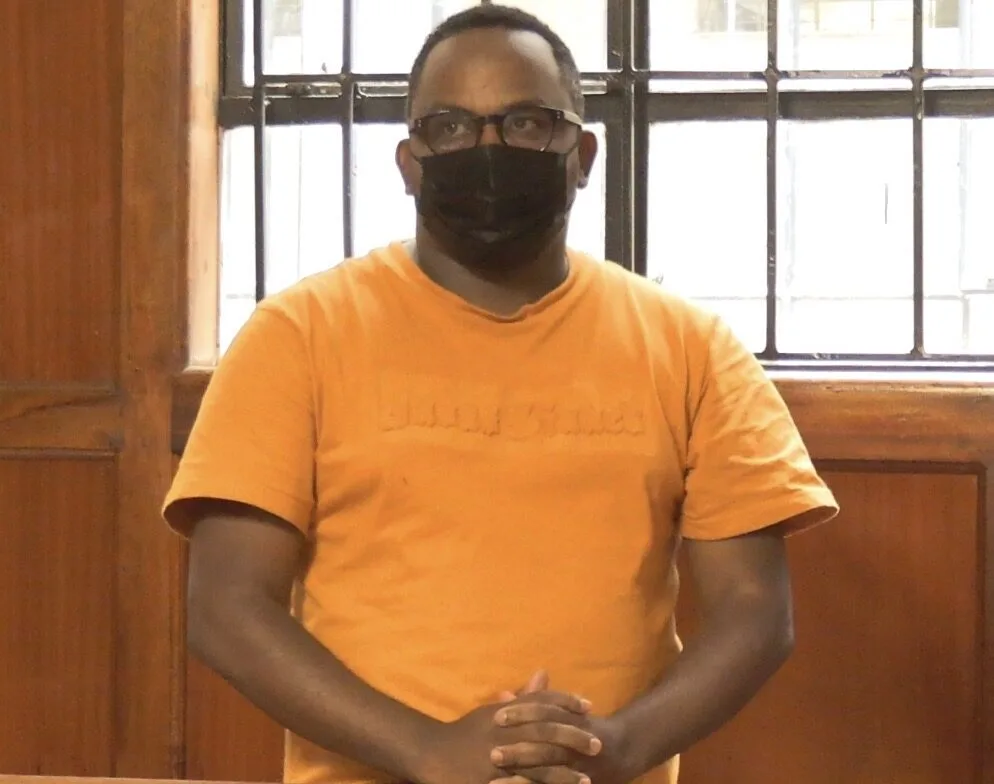
Francis Kamau Karanja: Kenya Cyber Harassment Charge for Magistrate Threat
Summary
- Francis Kamau Karanja was charged with cyber harassment for allegedly sending a threatening text message to Magistrate Margaret Murage.
- The message, sent on September 28, 2026, accused Magistrate Murage of bias in a case involving Gabriel Saka.
- Karanja denied the charge under Section 27(1)(a) of Kenya's Computer Misuse and Cybercrimes Act at the Milimani Law Courts.
- The prosecution opposed bail, citing the magistrate's status as a judicial officer and claims that she was living in fear due to the alleged threats.
- A bail ruling was expected on Friday, October 9, 2026, after procedural transfers from Kibera to Milimani Law Courts.
What Happened
The alleged threat against Magistrate Margaret Murage in a case involving Gabriel Saka demonstrates the severe legal consequences under Kenya's Computer Misuse and Cybercrimes Act for threatening judicial officers.
Francis Kamau Karanja has been formally charged with cyber harassment in Kenya, following allegations that he sent a threatening text message to Magistrate Margaret Murage. The incident, which occurred on September 28, 2026, involved a message sent to a mobile number registered to Magistrate Murage, accusing her of exhibiting bias in a legal proceeding concerning Gabriel Saka. Karanja appeared before Magistrate Irene Thamara at the Milimani Law Courts, where he entered a plea of not guilty to the charges.
The specific accusation against Karanja falls under Section 27(1)(a), as read with Section 27(2), of Kenya's Computer Misuse and Cybercrimes Act. The prosecution asserted that the content of the message was designed to instill fear or apprehension of violence in the judicial officer. This case underscores the serious legal ramifications for individuals who use digital platforms to intimidate members of the judiciary, particularly under the stringent provisions of the Computer Misuse and Cybercrimes Act Kenya.
Legal Context and Prosecution's Stance
During the court proceedings, the prosecution vehemently opposed Karanja's release on bond, characterizing the situation as exceptional due to the alleged victim being a judicial officer. They argued that the alleged threats had significantly impacted Magistrate Murage, causing her to avoid her residence and vehicle, and compelling her to live in a state of fear. This grave impact on a public servant performing her duties was presented as a critical factor against granting bail.
The prosecution further implored the court to consider the Judiciary Bail and Bond Policy Guidelines, specifically highlighting provisions designed for victim protection. They contended that these guidelines should inform the court's decision regarding Karanja's potential release, emphasizing the need to safeguard judicial integrity and the personal safety of magistrates. The case at Milimani Law Courts cybercrime division thus takes on added significance given the nature of the alleged victim.
Defence Arguments and Procedural Details
Representing Francis Kamau Karanja, defence lawyer Muriithi Mbaabu petitioned the court for reasonable and lenient bail conditions for his client. Mbaabu raised concerns about the circumstances of Karanja's arrest, stating that he was apprehended and denied police bail without being informed of the reasons for his detention. Karanja was initially taken to Kilimani Police Station on a Tuesday but was not presented in court on that day.
The following day, Wednesday, Karanja was brought before the Kibera Law Courts. However, the plea-taking process was deferred after the prosecution requested that the case be transferred to Milimani. The Kibera court subsequently directed that Karanja be presented before Milimani Court 1 for his plea, explicitly noting that proceeding with the matter at Kibera could lead to accusations of bias. It was at Milimani that Karanja ultimately denied the charge of cyber harassment. The court was scheduled to deliver its ruling on his bail application on Friday, October 9, 2026, at 11 am.
Why It Matters
This case involving Francis Kamau Karanja cyber harassment magistrate Kenya highlights the robust application of the Computer Misuse and Cybercrimes Act in protecting judicial officers from intimidation. The prosecution's strong stance against bail, citing the victim's judicial role and the alleged impact on her safety, signals a potential precedent for how courts will handle threats against those in the justice system. The emphasis on victim protection within the Judiciary Bail and Bond Policy Guidelines further underscores the judiciary's commitment to ensuring its members can perform their duties without fear.
The alleged threat against Magistrate Margaret Murage in a case involving Gabriel Saka demonstrates the severe legal consequences under Kenya's Computer Misuse and Cybercrimes Act for threatening judicial officers. This situation indicates that courts may adopt a stricter approach to bail and sentencing in such matters, reinforcing the importance of upholding the integrity and independence of the judiciary. Lawyers advising clients on cybercrime matters should be acutely aware of the enhanced risks and penalties associated with any form of intimidation directed at judicial personnel.
Practical Implications
This case highlights the severe legal consequences under Kenya's Computer Misuse and Cybercrimes Act for threatening judicial officers, indicating that courts may take a stricter stance on bail and sentencing in such matters. Lawyers should advise clients on the enhanced risks and penalties associated with any form of intimidation directed at the judiciary, as it underscores a commitment to protecting judicial integrity.
Source
How does this affect you?
Get an AI analysis of this article grounded in your jurisdictions, practice areas, and any policy documents you've uploaded to Wansom.
Finish Reading the Full Story and the Expert Analysis.
Get the latest legal & regulatory intelligence in Kenya
Wansom is AI and can make mistakes.