
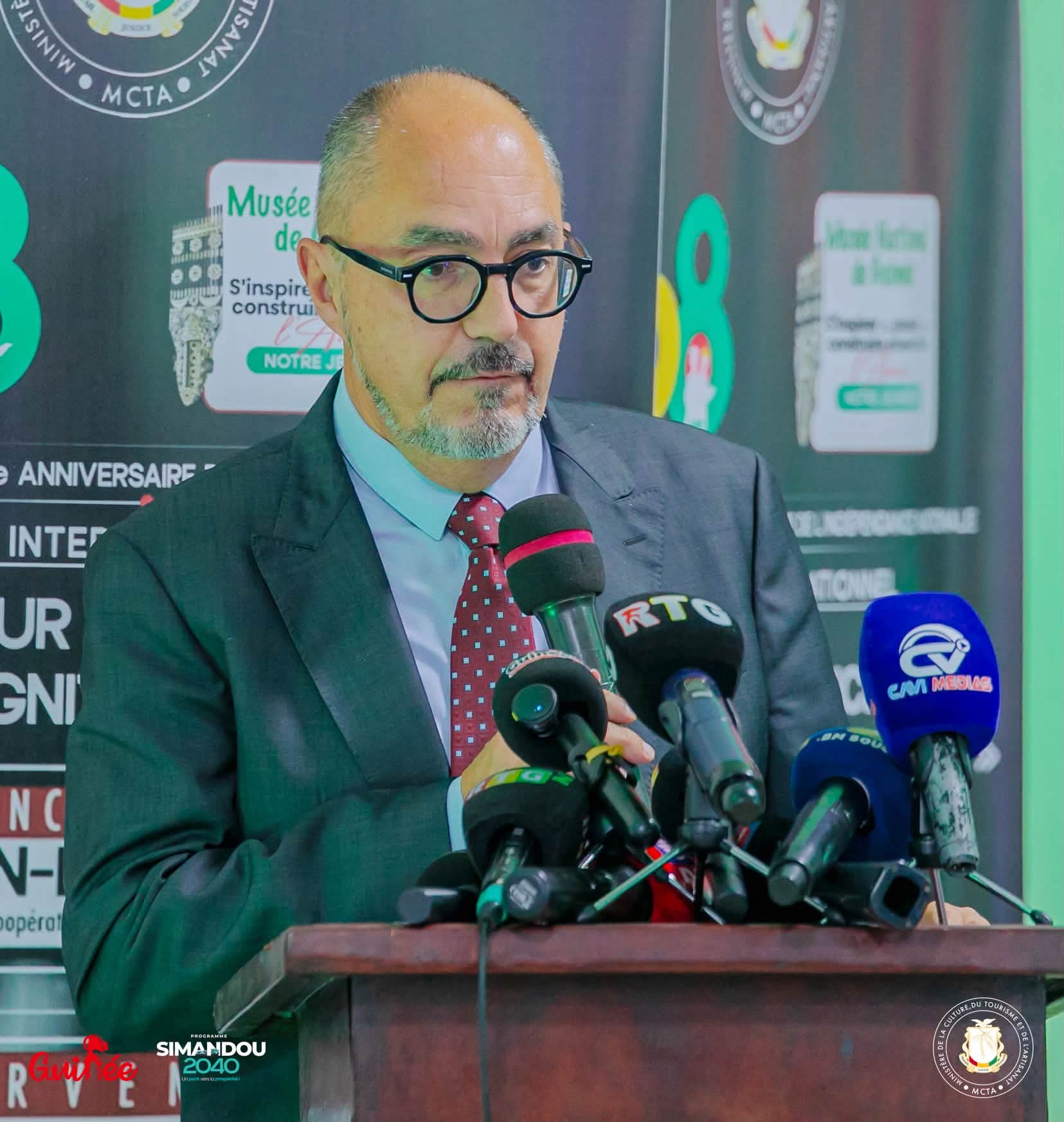
France Pledges Accelerated Cultural Property Restitution to Guinea
During the Guinean National Day Week, France, through its Ambassador for Heritage Jean-Luc Martinez, reaffirmed its commitment to accelerate the restitution of cultural heritage objects and historical human remains to Guinea. This significant declaration was made at the National Museum of Conakry, marking a pivotal moment in the ongoing dialogue surrounding the repatriation of African cultural property.
This commitment holds substantial legal and diplomatic significance. It reflects a growing international consensus and evolving legal norms regarding the ethical and historical imperative to return cultural artifacts acquired during colonial periods. For legal practitioners, particularly those in international law, cultural heritage law, and public international law, this signals a dynamic area of legal development. Such high-level commitments often precede formal bilateral agreements, legislative actions, or even test cases in international forums, influencing the legal status of collections in museums globally and challenging traditional concepts of ownership and patrimony. It also sets a precedent for other nations seeking the return of their cultural heritage from former colonial powers.
The legal context for cultural restitution is complex, involving a blend of international conventions, national laws, and bilateral negotiations. While conventions like the 1970 UNESCO Convention on the Means of Prohibiting and Preventing the Illicit Import, Export and Transfer of Ownership of Cultural Property address illicit trafficking, the current discussions often extend to items acquired legally under colonial laws but now deemed ethically problematic. France has recently enacted specific domestic legislation, such as Law No. 2020-1673, to enable the deaccessioning and restitution of certain cultural properties, demonstrating a shift in its legal framework concerning the inalienability of public collections. Guinea's own cultural heritage laws and institutional capacity to receive and preserve these items will also play a crucial role. The key parties involved are the French government, represented by Ambassador Jean-Luc Martinez, and the Guinean state, with the National Museum of Conakry serving as a central institution in this process.
Attorneys specializing in cultural heritage law, international law, and public international law should closely monitor the practical implementation of this commitment. This includes observing the negotiation and signing of any bilateral agreements between France and Guinea, potential legislative amendments in either country to facilitate these restitutions, and the specific legal mechanisms employed for the transfer of ownership and physical repatriation. Businesses involved in the art market, museum operations, or cultural heritage management should be acutely aware of these developments, as they could influence collection policies, due diligence requirements for acquisitions, and ethical considerations in their operations. This ongoing process underscores the evolving legal landscape surrounding cultural property and the increasing importance of historical justice in international relations.
The excerpt explicitly states France's commitment to accelerate restitution but does not detail specific timelines, the number or type of objects to be returned, or the precise legal instruments that will govern these transfers. The outcome of this specific announcement is a reaffirmed commitment, not a completed restitution or a judicial ruling.
How does this affect you?
Get an AI analysis of this article grounded in your jurisdictions, practice areas, and any policy documents you've uploaded to Wansom.
Finish Reading the Full Story and the Expert Analysis.
Get the latest legal & regulatory intelligence in Guinea
Wansom is AI and can make mistakes.