
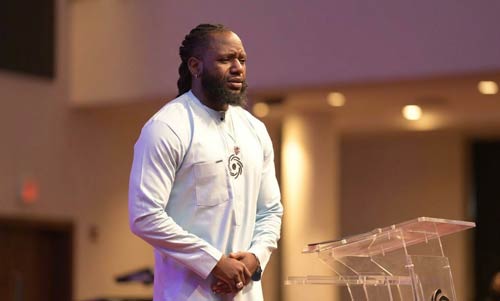
Lagos High Court: Fountain of Life Church Trustees Can Sue Jimmy Odukoya
Summary
- The Lagos State High Court has granted permission for the Incorporated Trustees of The Fountain of Life Church to initiate legal proceedings.
- The legal action concerns a leadership dispute involving Pastor Jimmy Odukoya, son of the church's late founder.
- Justice O.O. Adewunmi-Oshin issued the ruling on Wednesday, November 18, 2026.
- This decision allows the church's trustees to formally pursue their case against Pastor Odukoya in court.
- The ruling highlights the judiciary's willingness to intervene in internal governance disputes within religious organizations.
What Happened
Lawyers advising religious organizations or involved in corporate governance disputes should note this development as it indicates the Lagos State High Court's readiness to grant leave for legal action in internal leadership conflicts, potentially setting a precedent for similar cases involving church governance in Nigeria.
The Lagos State High Court recently issued a significant ruling concerning the internal affairs of The Fountain of Life Church. On Wednesday, November 18, 2026, Justice O.O. Adewunmi-Oshin granted permission for the Incorporated Trustees of the church to initiate formal legal proceedings. This judicial approval paves the way for a lawsuit directly addressing a leadership dispute involving Pastor Jimmy Odukoya.
Pastor Odukoya, who is the son of the late founder, Pastor Taiwo Odukoya, is at the center of this contention. The decision by the court to grant leave signifies that the trustees have met the initial legal threshold required to bring their grievances before the judiciary. This move underscores a formal escalation of what appears to be an internal disagreement over the direction and control of the prominent religious institution. The court's intervention at this preliminary stage suggests a recognition of the seriousness of the issues presented by the church's governing body.
Legal Context
The concept of "granting leave" is a crucial procedural step in Nigerian jurisprudence, particularly when dealing with matters that might involve the internal management of organizations, including religious bodies. It means the court has reviewed the initial application and found sufficient grounds for the case to proceed to a full hearing, without prejudging the ultimate outcome of the dispute itself. This initial hurdle ensures that frivolous or vexatious lawsuits do not consume judicial resources, while also affirming that legitimate concerns can be heard.
For the Incorporated Trustees of The Fountain of Life Church, obtaining this leave from the Lagos High Court is a pivotal development. Incorporated trusteeships are legal entities established under Nigerian law to hold property and manage affairs on behalf of non-profit organizations, including churches. Their ability to seek judicial intervention in a leadership dispute involving a prominent figure like Pastor Jimmy Odukoya highlights the legal avenues available to such bodies when internal mechanisms fail to resolve significant governance issues. The ruling by Justice Adewunmi-Oshin confirms that the court views the trustees' application as having a prima facie case worthy of judicial consideration.
Why It Matters
This ruling by the Lagos State High Court carries significant implications for the governance of religious organizations across Nigeria. The willingness of Justice Adewunmi-Oshin to grant leave for legal action in an internal leadership conflict, specifically involving the Incorporated Trustees of Fountain of Life and Pastor Jimmy Odukoya, signals a readiness by the judiciary to engage with such disputes. This development could serve as a notable precedent, encouraging other religious bodies facing similar internal power struggles to consider judicial recourse when their own dispute resolution mechanisms prove ineffective.
Lawyers advising religious organizations or involved in corporate governance disputes should note this development as it indicates the Lagos State High Court's readiness to grant leave for legal action in internal leadership conflicts, potentially setting a precedent for similar cases involving church governance in Nigeria. The decision underscores that even spiritual institutions, when formally incorporated, are subject to the legal framework governing corporate entities, particularly concerning their leadership and management. It reinforces the principle that trustees, as legal custodians of an organization's assets and mission, have the right and responsibility to seek judicial clarity when fundamental disagreements threaten the institution's stability and operational integrity. This case will likely be closely watched as it progresses, offering further insights into the judicial approach to ecclesiastical governance in the country.
Practical Implications
Lawyers advising religious organizations or involved in corporate governance disputes should note this development as it indicates the Lagos State High Court's readiness to grant leave for legal action in internal leadership conflicts, potentially setting a precedent for similar cases involving church governance in Nigeria.
Source
How does this affect you?
Get an AI analysis of this article grounded in your jurisdictions, practice areas, and any policy documents you've uploaded to Wansom.
Finish Reading the Full Story and the Expert Analysis.
Get the latest legal & regulatory intelligence in Nigeria
Wansom is AI and can make mistakes.