
Zambia: Justice Minister Won't Block Presidential Term Limit Removal Petitions
Summary
- Zambian Justice Minister Jack Mwiimbu stated the government would not interfere with petitions to remove presidential term limits.
- These petitions target Article 106(3) of the Zambian Constitution, which currently sets presidential term limits.
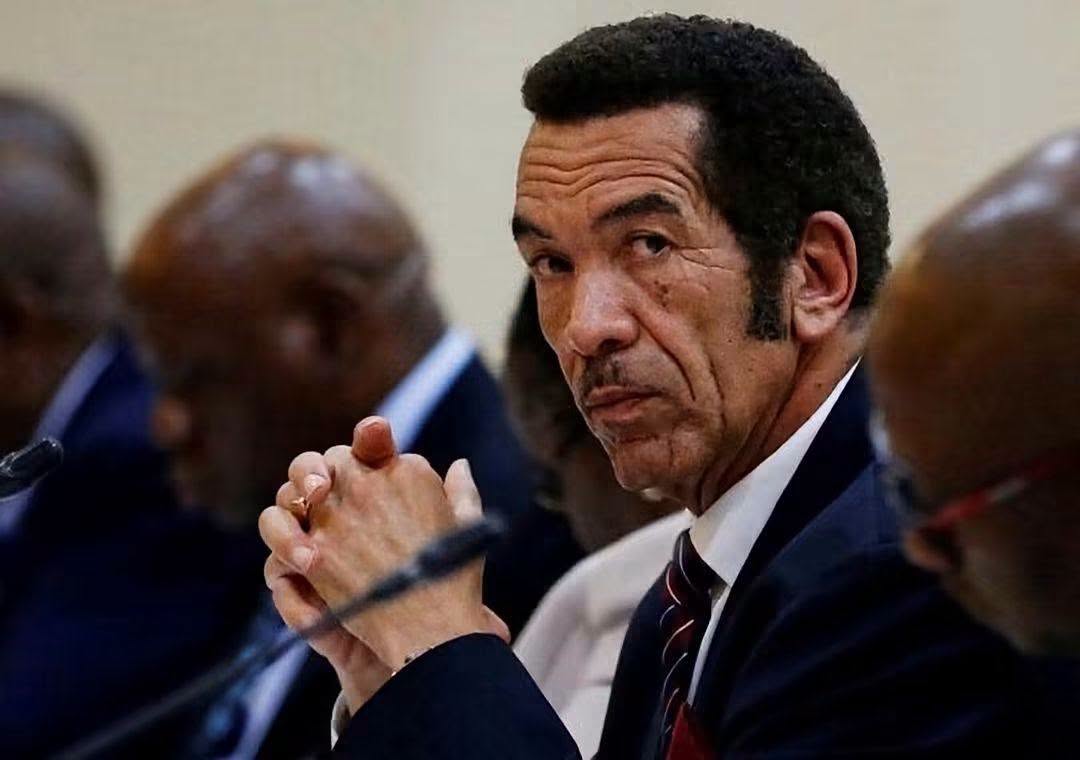
- Former Botswanan President Ian Khama criticized the announcement, suggesting it was a move to consolidate power without time limits.
- Khama explicitly stated, "They are setting up their move […] Our Dictator is making his last move to consolidate power without time limit."
- The potential removal of presidential term limits could significantly impact Zambia's governance, political stability, and rule of law.
What Happened
For legal professionals and compliance officers, these developments signal a need for heightened vigilance.
A recent statement from Zambia's Justice Minister, Jack Mwiimbu, has drawn sharp criticism, particularly from former Botswanan President Ian Khama. Minister Mwiimbu indicated that the Zambian government would not intervene in petitions that aim to remove the presidential term limit, a provision currently enshrined in Article 106(3) of the Zambian Constitution. This declaration has ignited a debate regarding the future of presidential tenure in the nation.
In response to this development, Ian Khama, who previously served as Botswana's head of state, issued a strong and unambiguous statement. Khama's comments directly addressed the implications of such a move, suggesting a broader strategy at play. He asserted, "They are setting up their move […] Our Dictator is making his last move to consolidate power without time limit." These remarks highlight international concern over potential changes to Zambia's democratic framework and the implications for President Hichilema's term limits.
Legal and Constitutional Framework
The core of the controversy revolves around Zambia Article 106(3) Constitution, which currently stipulates the presidential term limits. This constitutional provision is a fundamental aspect of Zambia's governance structure, designed to ensure regular transfers of power and prevent the indefinite rule of any single individual. Petitions seeking to remove this specific article represent an attempt to initiate a significant Zambian constitutional amendment, which would fundamentally alter the country's political landscape.
The Justice Minister's stance—that the government would not interfere with these petitions—is perceived by critics as potentially opening the door for such an amendment to proceed without executive opposition. This position raises questions about the government's commitment to existing constitutional safeguards and the integrity of the democratic process. Any alteration to Article 106(3) would require a formal constitutional amendment process, typically involving parliamentary approval and potentially a national referendum, depending on the specific provisions of the Zambian legal framework for constitutional changes.
Why It Matters
The discussion surrounding the potential Zambia presidential term limit removal carries substantial weight for the nation's political stability and its adherence to the rule of law. Constitutional provisions like Article 106(3) are critical for democratic accountability, preventing the concentration of power, and fostering a predictable political environment. Any move to extend President Hichilema's term limits beyond the current constitutional mandate could be interpreted as a step towards authoritarianism, potentially undermining democratic institutions and public trust.
For legal professionals and compliance officers, these developments signal a need for heightened vigilance. Changes to fundamental constitutional provisions can profoundly impact the governance structure, legal certainty, and overall political risk profile of a country. Such shifts directly influence legal and investment risk assessments for entities operating within Zambia, as they can indicate broader trends in institutional strength, judicial independence, and the predictability of the regulatory environment. Monitoring legislative and judicial developments concerning these term limits is therefore crucial for understanding the evolving landscape of governance in Zambia.
Practical Implications
Lawyers and compliance officers should closely monitor any legislative or judicial developments regarding Zambia's presidential term limits, as changes to constitutional provisions like Article 106(3) can signal significant shifts in governance, political stability, and the rule of law, directly impacting legal and investment risk assessments for entities operating within the jurisdiction.
Source
How does this affect you?
Get an AI analysis of this article grounded in your jurisdictions, practice areas, and any policy documents you've uploaded to Wansom.
Finish Reading the Full Story and the Expert Analysis.
Get the latest legal & regulatory intelligence in Zambia
Wansom is AI and can make mistakes.