
CA First Nations: Launch Pacific Link Pipeline Judicial Review of Federal Approval
Summary
- Nine First Nations have initiated a judicial review in Federal Court against the Canadian government's approval of the Pacific Link crude oil pipeline and tankers project.
- The challenge is based on the First Nations' inherent title and rights, alleging the project was approved without impact assessment or consultation under the Building Canada Act.
- The St’át’imc Chiefs Council highlighted that the federal government designated Pacific Link as a 'national interest' project, bypassing standard assessment processes.
- Concerns are focused on the project's potential devastating effects on Fraser River salmon, fishing rights, and Indigenous cultural traditions.
- The legal action follows the 2010 Save the Fraser Declaration, an Indigenous law prohibiting tar sands oil pipelines in the Fraser Watershed, signed by over 100 First Nations.
Judicial Review Initiated for Pacific Link Pipeline
The threat of an oil spill affecting Fraser River salmon, our fishing rights and our way of being, is heinous.
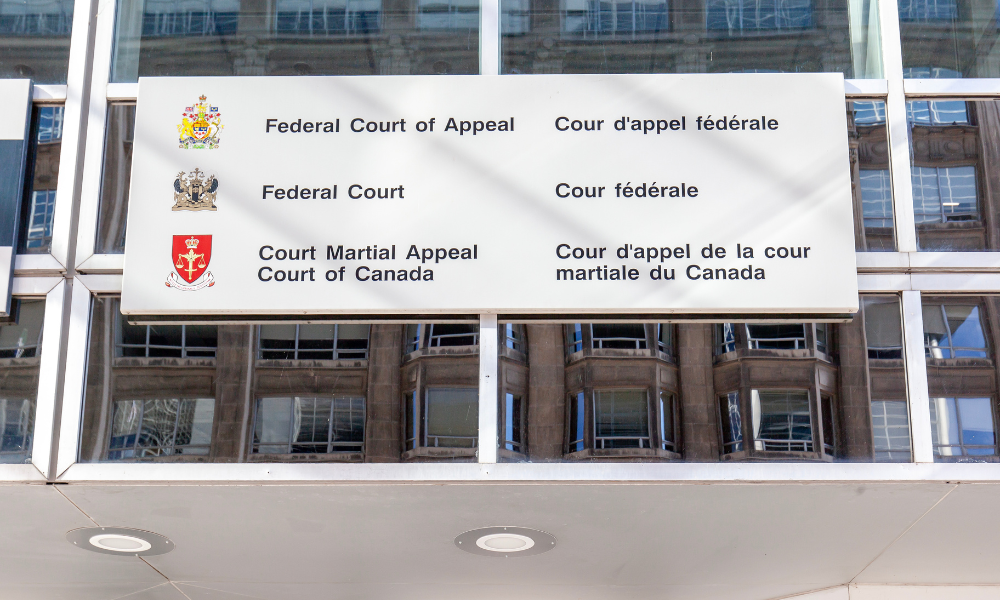
Nine First Nations have formally launched a judicial review before the Federal Court, challenging the Canadian government's approval of the Pacific Link crude oil pipeline and tankers project. This significant legal action targets a project designed to transport oil from Bruderheim, Alberta, to British Columbia's southern coast. The First Nations involved in this challenge are Boston Bar First Nation, Cheam First Nation, Lower Nicola Indian Band, Kwantlen First Nation, kʷikʷəƛəm (Kwikwetlem) First Nation, Skeetchestn Indian Band, St'át'imc Nation, Tsartlip First Nation, and T’Sou-ke First Nation.
The core of the legal challenge rests on the First Nations' inherent title and rights. They contend that the federal government's decision to approve Pacific Link under Bill C-5, known as the Building Canada Act (BCA), was flawed. Specifically, the St’át’imc Chiefs Council highlighted that the project was designated as being of "national interest," a classification they argue led to its approval without a proper impact assessment or comprehensive consultation with the St’át’imc Nation as a whole. Kukpi7 Justin Kane, chair of the St’át’imc Chiefs Council, emphasized the profound concern, stating, "The threat of an oil spill affecting Fraser River salmon, our fishing rights and our way of being, is heinous."
Regulatory Context and Allegations of Oversight
The First Nations' legal challenge underscores critical concerns regarding the regulatory framework applied to major infrastructure projects in Canada. According to the St’át’imc Chiefs Council, the federal government's decision to list Pacific Link as a "national interest" project under the BCA effectively bypassed crucial environmental and Indigenous consultation processes. This designation, they allege, resulted in the project receiving approval without any impact assessment whatsoever and without the necessary engagement with the St’át’imc Nation.
Adding to these concerns, the St’át’imc Chiefs Council noted that the Canadian government had, in the preceding September, entirely removed pipelines from the list of projects mandated to undergo assessment under the Impact Assessment Act, 2019. This regulatory change provides a backdrop to the First Nations' assertion that the Pacific Link project was not subjected to the rigorous scrutiny they believe is essential, especially given its potential environmental and cultural ramifications. The chiefs' allegations point to a systemic issue where critical projects might proceed without adequate consideration of their long-term impacts on Indigenous communities and the environment.
Profound Cultural and Environmental Stakes
The First Nations involved in the judicial review have consistently voiced deep apprehension about the Pacific Link project's potential devastating effects, particularly on the Fraser River salmon, their traditional fishing rights, and their entire way of life. Kukpi7 Bonnie Adolph articulated the gravity of the situation, noting, "This plan to transport another million barrels of crude oil a day through the watershed is extremely risky." She further highlighted the deteriorating condition of the Fraser River salmon, stating, "The health of Fraser River salmon has only worsened over the past two decades."
This current challenge is not an isolated incident but builds upon a history of Indigenous advocacy for environmental protection. As far back as 2010, the St’át’imc Nation recognized the significant risks posed by any Fraser Watershed project, citing the cumulative impacts of development and climate change on the salmon population. This led to the creation of the Save the Fraser Declaration, an Indigenous law prohibiting tar sands oil pipelines from traversing the Fraser Watershed and the salmon’s ocean migration routes. This declaration has garnered support from representatives of over 100 First Nations, underscoring the widespread and enduring commitment to protecting these vital ecosystems and the Indigenous cultures intertwined with them. Kukwpi7 Art Adolph, a St’át’imc elder, strongly criticized the perceived collaboration between governments and industry, asserting it "will force First Nations further into third-world conditions contributed to by the extinction of the Fraser River wild salmon and the collapse of First Nations’ culture and traditions relating to wild salmon."
Practical Implications
Lawyers advising clients on major infrastructure or resource projects in Canada must closely monitor this judicial review. It underscores the critical importance of robust Indigenous consultation and comprehensive impact assessments, even for projects deemed of 'national interest,' to mitigate significant legal challenges based on inherent title and rights.
Source
How does this affect you?
Get an AI analysis of this article grounded in your jurisdictions, practice areas, and any policy documents you've uploaded to Wansom.
Wansom is AI and can make mistakes.