
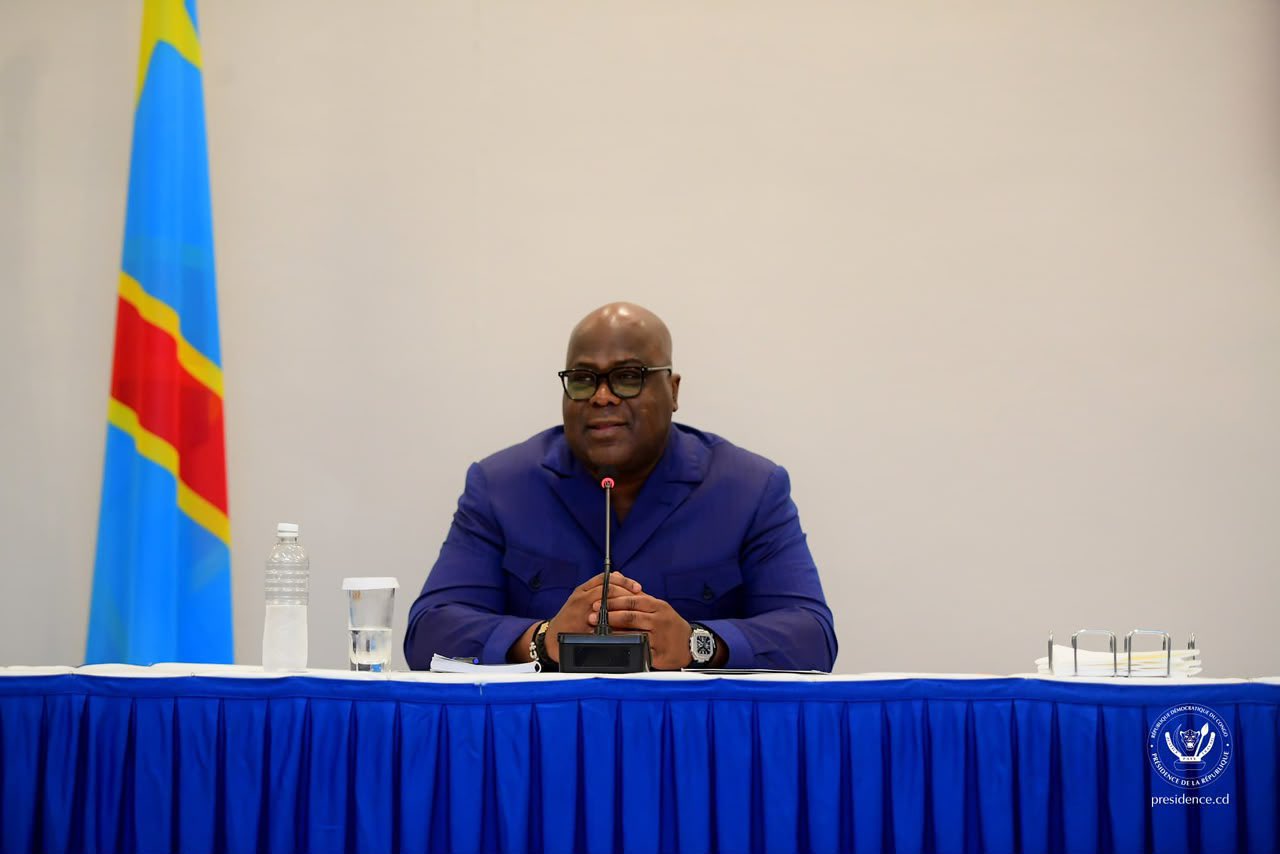
Felix Tshisekedi: Réforme Constitution RDC Déclenche Débat National
Summary
- President Félix-Antoine Tshisekedi's statements about a potential constitutional reform have ignited a major political debate in the Democratic Republic of Congo.
- The presidential majority supports the reform, citing the principle of popular sovereignty.
- Opposition parties and civil society groups express concern, viewing the move as potentially detrimental to the country's institutional future.
- The proposed changes could significantly alter the RDC's legal framework, impacting various sectors.
- The ongoing discussion highlights deep divisions within the Congolese political landscape regarding the nation's future.
Constitutional Reform Ignites Debate in DRC
For lawyers and compliance officers operating within the RDC, it is imperative to closely track the political discourse surrounding President Tshisekedi's statements on constitutional reform.
President Félix-Antoine Tshisekedi's recent statements regarding a potential constitutional reform in the Democratic Republic of Congo have sparked a significant and ongoing political debate across the nation. These declarations, hinting at a possible overhaul of the country's foundational legal document, have immediately drawn sharp reactions from various political factions and civil society groups, setting the stage for a contentious period of national discourse.
The prospect of a constitutional amendment under President Tshisekedi's leadership has quickly become a central topic, dominating political discussions and media coverage. The nature and extent of the proposed changes remain a subject of intense speculation, but the mere mention of such a process has been sufficient to galvanize both supporters and critics, highlighting the deep divisions within the Congolese political landscape concerning the future institutional framework of the RDC.
Divided Political Landscape
The presidential majority has vocally supported the notion of constitutional revision, framing it within the principle of popular sovereignty. Proponents argue that any such reform would be a legitimate expression of the people's will, aimed at strengthening democratic institutions or adapting the constitution to contemporary national needs. This perspective emphasizes the right of the populace to shape its governing charter through its elected representatives, aligning with the broader concept of Tshisekedi souveraineté populaire.
Conversely, the opposition and a number of civil society organizations have expressed profound concern over the President's initiative. They view the proposed approach as potentially destabilizing and detrimental to the country's institutional future. Critics fear that a révision constitutionnelle Congo could be used to consolidate power, undermine checks and balances, or alter fundamental democratic principles, thereby raising questions about the long-term stability and democratic trajectory of the République Démocratique du Congo.
Legal and Institutional Stakes
The debate surrounding Felix Tshisekedi réforme constitution RDC is not merely political; it carries profound legal and institutional implications for the entire nation. A constitutional reform could fundamentally alter the distribution of power, the electoral system, the judiciary's independence, or even the structure of the state itself. Such changes would necessitate a re-evaluation of existing laws and regulations, potentially impacting every sector from governance to economic activity.
Any significant amendment to the constitution would inevitably reshape the legal framework within which all public and private entities operate. This makes the ongoing débat constitutionnel RDC a critical issue for legal professionals and compliance officers, who must closely monitor these developments to anticipate potential shifts in legal obligations and regulatory environments. The outcome of this discussion will directly influence the stability and predictability of the legal landscape in the RDC.
Implications for the RDC's Future
The ongoing discourse surrounding a potential révision constitutionnelle Congo underscores the delicate balance of power and the fragility of institutional norms in the country. The concerns raised by the opposition and civil society regarding the avenir institutionnel République Démocratique du Congo highlight a broader apprehension about the preservation of democratic gains and the rule of law. The manner in which this debate unfolds and any subsequent actions taken will be crucial in determining the country's political trajectory.
For lawyers and compliance officers operating within the RDC, it is imperative to closely track the political discourse surrounding President Tshisekedi's statements on constitutional reform. Any eventual amendments could significantly alter the legal framework, impacting various sectors and necessitating adjustments to legal strategies and compliance protocols. The evolving situation demands vigilance and a proactive approach to understanding potential changes in the regulatory and legal environment.
Practical Implications
Lawyers and compliance officers in the DRC should closely monitor the political discourse surrounding President Tshisekedi's statements on constitutional reform, as any eventual amendments could significantly alter the legal framework, impacting various sectors and necessitating adjustments to legal strategies and compliance protocols.
Source
How does this affect you?
Get an AI analysis of this article grounded in your jurisdictions, practice areas, and any policy documents you've uploaded to Wansom.
Finish Reading the Full Story and the Expert Analysis.
Wansom is AI and can make mistakes.