
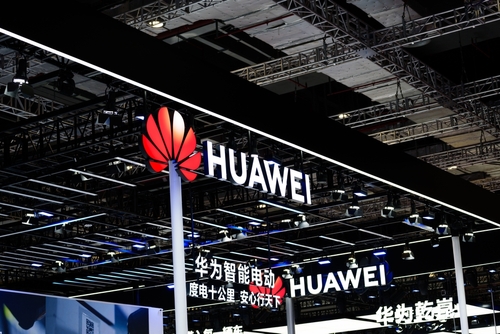
Federal Jury: Huawei Convicted of Trade Secret Theft, Sanctions Evasion
On November 25, 2026, a federal jury in the United States convicted the Chinese telecommunications giant Huawei of conspiring to steal trade secrets and evade U.S. sanctions on Iran, following an 11-week trial in the Eastern District of New York.
This conviction represents a significant victory for the U.S. government in its efforts to enforce intellectual property protections and sanctions regimes against foreign entities, sending a strong message to international corporations operating within or impacting U.S. jurisdiction. The outcome has profound implications for global trade, technology transfer, and corporate compliance, particularly for companies with complex international supply chains or those operating in sensitive technological sectors. It underscores the U.S.'s aggressive stance on national security and economic espionage, demonstrating a willingness to pursue lengthy and resource-intensive prosecutions against major foreign players. The mixed verdict, with the jury rejecting the lead racketeering conspiracy charge and one count of conspiring to obstruct justice, also highlights the inherent complexities and challenges in proving such multifaceted international criminal allegations.
The legal context for this landmark case involved a broad array of U.S. federal statutes, including those prohibiting conspiracy to steal trade secrets (likely under the Economic Espionage Act), wire fraud, bank fraud, violations of U.S. sanctions (such as those implemented under the International Emergency Economic Powers Act, or IEEPA), and money laundering. The proceedings took place within the U.S. federal court system, specifically the U.S. Attorney's Office for the Eastern District of New York, which served as the prosecuting body. The jury's deliberations, spanning four days, underscore the intricate factual and legal issues presented during the 11-week trial. Key parties included Huawei as the defendant, the U.S. Attorney's Office for the Eastern District of New York as the prosecution, and the federal jury responsible for delivering the verdict. U.S. Attorney Joseph Nocella and defense attorney Brian Heberlig were also prominent figures in the case.
Practitioners, particularly those advising multinational corporations or technology companies, must immediately review and strengthen their clients' compliance programs related to trade secrets, export controls, and sanctions. This case serves as a stark reminder of the severe legal and reputational risks associated with non-compliance with U.S. laws, even for entities operating primarily outside the U.S. Attorneys should emphasize robust internal controls, comprehensive employee training on intellectual property protection and sanctions regulations, and thorough due diligence in all international business dealings. The outcome also signals the continued importance of understanding the extraterritorial reach of U.S. law and the potential for aggressive enforcement actions against perceived threats to U.S. economic and national security interests. The specific charges on which Huawei was convicted, and those on which it was acquitted, provide valuable insights into prosecutorial strategies and defense arguments in complex corporate criminal cases.
How does this affect you?
Get an AI analysis of this article grounded in your jurisdictions, practice areas, and any policy documents you've uploaded to Wansom.
Finish Reading the Full Story and the Expert Analysis.
Get the latest legal & regulatory intelligence in United States
Wansom is AI and can make mistakes.