
Judge Davila Challenges US State Dept. on Diversity Visa Order Delay
Summary
- Federal Judge Edward Davila questioned the government's slow compliance with his August 28 order to restart diversity visa processing.
- Attorney Curtis Morrison alleged the State Department instructed consulates to deflect applicants and canceled all September interviews, despite the injunction.
- The government attributed interview cancellations to a training initiative and claimed new guidance was issued to prioritize affected applicants.
- The judge expressed concern over the nearly two-week delay in implementing the order, which blocked policies that had indefinitely paused diversity visa applications.
- The fiscal year for processing diversity visas concludes at the end of September, adding urgency to the situation.
Judicial Scrutiny Over Visa Processing Delays
The federal government's nearly two-week delay in fully implementing the order, which Senior U.S. District Judge Edward Davila described as a “binary” switch, raised significant judicial concern regarding compliance.
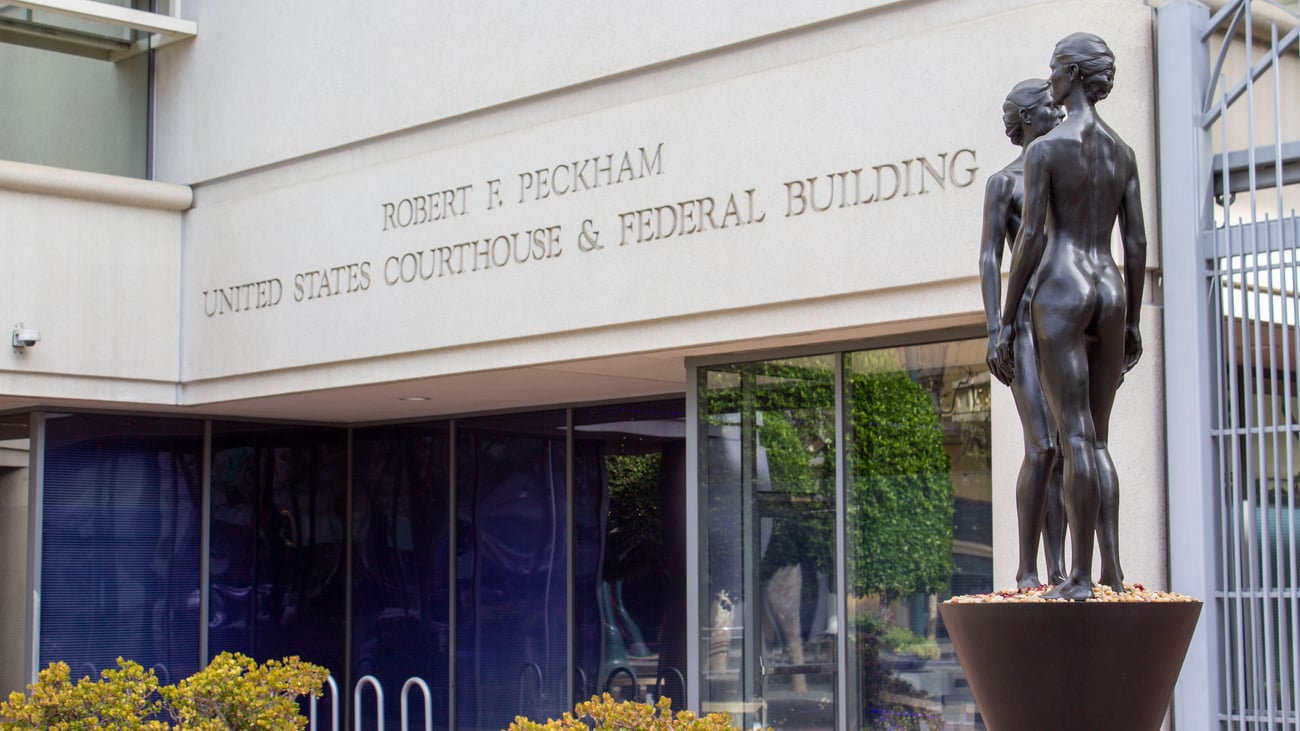
A federal judge in San Jose, California, recently challenged the U.S. government's sluggishness in resuming the processing of diversity visa applications, despite a court order that had mandated their restart. The inquiry took place during a hearing on an emergency motion seeking to enforce a prior ruling by Senior U.S. District Judge Edward Davila. This judicial scrutiny follows the cancellation of all September interviews by the federal government, which it later claimed was followed by an international cable instructing consuls to recommence application processing.
However, attorney Curtis Morrison, representing numerous applicants in the ongoing class action, presented a contrasting account to the court. Morrison alleged that the U.S. State Department had issued cables to consular offices with instructions on “how to deflect and turn away plaintiffs and class members.” He further reported that his clients were indeed turned away from scheduled interviews in locations such as Paris and Kigali, Rwanda, on the very morning of the hearing. Morrison expressed concern that the department's actions had exacerbated the situation, emphasizing that the fiscal year for processing these critical applications is set to conclude at the end of September.
Responding to the court, Nag Young Chu of the U.S. Attorney’s Office explained that the cancellation of September interviews was linked to a “training initiative” aimed at ensuring “adequate training,” rather than being a direct consequence of Judge Davila's order. Chu affirmed that a department cable had been dispatched to consuls that Thursday morning, providing guidance on prioritizing those whose interviews had been recently canceled. She also stated that the policies which had previously obstructed application processing were no longer in effect. Judge Davila, an appointee of Barack Obama, questioned the nearly two-week delay between his initial order and the government's reported action to send a cable and restart interviews, remarking, “That seems like a binary to me, a switch up and down. I don’t understand the disconnect from engaging again.”
The Davila Order and Diversity Visa Program Context
The judicial intervention stems from a preliminary injunction issued by Senior U.S. District Judge Edward Davila on August 28. This significant Davila order partially granted relief, temporarily reopening the processing of diversity visa applications. Crucially, it also granted partial class certification for subclasses of individuals whose diversity visas had been placed on indefinite hold due to policies originating from either Immigration Services or the Department of State. The injunction specifically blocked three distinct policies that had previously halted these application processes.
The diversity immigrant visa program itself is designed to offer a pathway to permanent residency for individuals from countries with historically low rates of immigration to the United States. Under this program, the Department of State conducts an annual lottery, randomly selecting up to 55,000 noncitizens to begin the application process for a green card each fiscal year. It is important to note that selection in the lottery does not guarantee a visa but merely provides the opportunity to apply. For those applicants already in the U.S. under a different visa, the process involves submitting a form with Immigration Services to adjust their status to permanent resident.
The policies challenged by the class action, filed in June in Northern California federal court, include two directives issued in December 2025 by U.S. Citizenship and Immigration Services and the State Department, which imposed indefinite holds on green card applications and adjustments of diversity visa status. Additionally, in February, the State Department issued a notice that paused visa approvals from 75 countries. This notice mandated consular officers to refuse all immigrant visa applicants until the agency could develop new guidance for assessing whether an applicant might become dependent on public assistance upon entering the U.S., a pause that was issued without a specified end date. The class action lawsuit names President Donald Trump, White House Deputy Chief of Staff Stephen Miller, Secretary of State Marco Rubio, and USCIS Director Joesph Edlow as defendants.
Urgency and Compliance Challenges
The ongoing Davila order diversity visa processing delay carries significant implications, particularly given the looming fiscal year deadline for these applications. With the processing window set to close at the end of September, any further delays in the US State Department visa processing delays could jeopardize the chances of thousands of applicants. Attorney Curtis Morrison underscored this urgency, highlighting the critical nature of the September deadline for those seeking to finalize their diversity visas.
Judge Davila's pointed questions about the government's slow response to his preliminary injunction underscore a broader concern about federal agencies' compliance with court orders. While Nag Young Chu from the U.S. Attorney’s Office argued that restarting application processing was not a simple “binary” action, citing the need for numerous internal discussions and manual searches to reconsider applications previously denied solely due to departmental policies, the judge's skepticism remained evident. The federal government's nearly two-week delay in fully implementing the order, which Senior U.S. District Judge Edward Davila described as a “binary” switch, raised significant judicial concern regarding compliance. This situation highlights the complexities and potential for friction when judicial directives meet the operational realities and bureaucratic processes of federal agencies, especially concerning time-sensitive immigration matters like the diversity visa fiscal year deadline.
Practical Implications
This article highlights that federal agencies may delay compliance with court orders, even after a preliminary injunction, regarding diversity visa processing. Lawyers representing diversity visa applicants must be prepared to monitor agency actions closely, potentially pursue further enforcement motions, and advise clients on the ongoing uncertainty and critical fiscal year deadlines for their applications.
Source
How does this affect you?
Get an AI analysis of this article grounded in your jurisdictions, practice areas, and any policy documents you've uploaded to Wansom.
Finish Reading the Full Story and the Expert Analysis.
Wansom is AI and can make mistakes.