
Alec Baldwin: Federal Judge Grants Prosecutors Immunity in Rust Shooting Lawsuit
Summary
- A federal judge in New Mexico dismissed most of Alec Baldwin's lawsuit against prosecutors Mary Carmack-Altwies and Andrea Reeb, citing prosecutorial immunity.
- The lawsuit stemmed from Baldwin's involuntary manslaughter charges in the 2021 "Rust" shooting, which were dismissed in July 2024 due to "egregious discovery violations."
- Judge Kea Riggs ruled that Carmack-Altwies was not immune from claims regarding her alleged role in investigating and destroying the gun, or her media statements.
- The court acknowledged concerns about alleged prosecutorial misconduct but upheld the broad protection of absolute immunity for most claims.
- Claims against Andrea Reeb for vague, undated allegations also survived the dismissal, and the judge noted her dual role as a legislator and prosecutor.
Federal Judge Dismisses Most of Baldwin's Claims
This ruling clarifies that while prosecutorial immunity is broad, it does not extend to actions outside the judicial process like evidence handling or certain media statements.
A federal judge in New Mexico has largely dismissed a lawsuit filed by actor Alec Baldwin against the prosecutors who initially charged him in connection with the fatal 2021 "Rust" shooting incident. U.S. District Judge Kea Riggs of the District of New Mexico determined that prosecutors Mary Carmack-Altwies and Andrea Reeb were entitled to prosecutorial immunity for the majority of the allegations brought against them by Baldwin.
This decision follows a similar ruling by Judge Riggs weeks prior, where she dismissed claims against special prosecutor Kari Morrissey on identical grounds. The court acknowledged its concern regarding the allegations of misconduct leveled against Carmack-Altwies and Reeb, yet underscored that, as prosecutors, they are protected by the principle of absolute prosecutorial immunity. Baldwin's lawsuit, initiated in early 2025, asserted claims of prosecutorial misconduct, defamation, and civil rights violations.
The Underlying Incident and Subsequent Legal Actions
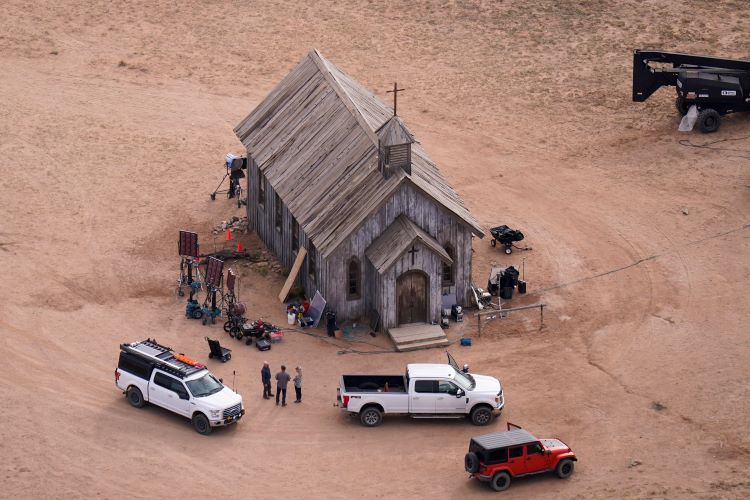
The legal saga stems from an October 2021 event on the set of the film "Rust" at the Bonanza Creek Ranch in Santa Fe, New Mexico. During a rehearsal, a pistol held by Baldwin discharged, resulting in the death of cinematographer Halyna Hutchins. Baldwin was subsequently charged with involuntary manslaughter in 2023.
However, these criminal charges were ultimately dismissed in July 2024. The dismissal occurred after a judge concluded that prosecutors had engaged in "egregious discovery violations." This outcome then paved the way for Baldwin's civil action against the prosecuting attorneys, leading to the recent ruling on Alec Baldwin's prosecutorial immunity in the "Rust" shooting case.
Limits of Prosecutorial Immunity Identified
Despite the broad application of prosecutorial immunity, Judge Riggs identified specific instances where this protection did not apply. Prosecutor Mary Carmack-Altwies was not granted immunity for claims related to her alleged involvement in investigating and destroying the gun used in the incident. The judge deemed these actions "too far removed from the judicial process" to warrant immunity.
Furthermore, claims concerning Carmack-Altwies's alleged media statements and her participation in the law enforcement investigation will proceed, as she had not sought their dismissal. In the case of Andrea Reeb, Judge Riggs noted a potential violation of the separation of powers due to Reeb simultaneously serving as a state legislator and a special prosecutor; Reeb has since resigned from her position as a state legislator, though Judge Riggs affirmed Reeb's authority to prosecute. A few vague and undated allegations against Reeb were also not dismissed, with the court stating it was premature to decide on immunity for those specific points, thus highlighting the nuanced limits of prosecutorial immunity even in a New Mexico federal court prosecutorial immunity context. This ruling clarifies that while prosecutorial immunity is broad, it does not extend to actions outside the judicial process like evidence handling or certain media statements.
Legal Context and Reactions
The ruling provides important clarification on the scope of prosecutorial immunity, particularly in the context of high-profile cases involving allegations of prosecutorial misconduct claims. While prosecutors generally enjoy robust protection from civil lawsuits for actions taken within their official capacity, the decision underscores that this immunity is not absolute and has boundaries, especially when actions stray from core prosecutorial functions or involve evidence handling.
Following the decision, Luis Robles, the attorney representing the prosecutors, expressed that his clients were "relieved" and "heartened" by the outcome. Conversely, Baldwin's legal counsel did not provide a comment when approached for a statement regarding the ruling.
Practical Implications
This ruling clarifies the scope of prosecutorial immunity in federal court, particularly in New Mexico, highlighting that while broad, it does not extend to actions outside the judicial process like evidence handling or certain media statements. Lawyers should note these limitations when considering claims against prosecutors or advising clients on potential misconduct allegations.
Source
How does this affect you?
Get an AI analysis of this article grounded in your jurisdictions, practice areas, and any policy documents you've uploaded to Wansom.
Finish Reading the Full Story and the Expert Analysis.
Get the latest legal & regulatory intelligence in United States
Wansom is AI and can make mistakes.