
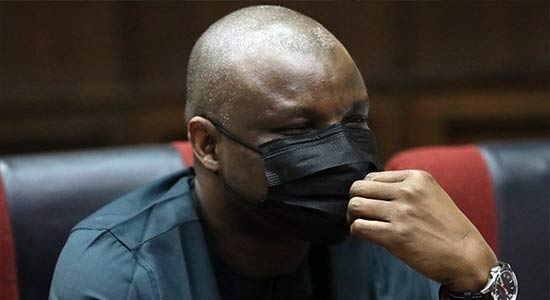
Federal High Court Subpoenas NDLEA Personnel List in Abba Kyari Drug Trial
The Federal High Court in Abuja has directed the Chairman of the National Drug Law Enforcement Agency (NDLEA) to produce a certified list of agency personnel who were on duty at the Akanu Ibiam International Airport, Enugu, on January 19, 2022, as part of the ongoing drug trial of suspended Deputy Commissioner of Police Abba Kyari. This directive, issued by the court, also granted the defence witness a final opportunity to appear. This judicial order highlights the court's power to compel the production of crucial evidence from state agencies to ensure a fair trial and uphold the rights of the accused.
This development carries significant legal implications for criminal defence and prosecution in Nigeria. It underscores the principle of fair hearing and the right of an accused person to adequately defend themselves, which includes accessing relevant information held by state institutions. The court's willingness to issue such a directive demonstrates its commitment to ensuring that all parties have the necessary tools to present their case, thereby promoting transparency and accountability within law enforcement agencies. For the NDLEA, it emphasizes the importance of meticulous record-keeping and compliance with judicial orders, as their internal records can become critical evidence in high-profile trials. The 'final chance' given to the defence witness also reflects the court's active management of trial proceedings, balancing the need for expeditious justice with the accused's right to present their defence.
The legal context for this directive is the Federal High Court's jurisdiction over federal offenses, including drug-related crimes prosecuted by the NDLEA. The court's order to produce documents is akin to a subpoena duces tecum, a procedural tool enshrined in the Evidence Act and the relevant Criminal Procedure Rules, which empowers courts to compel the production of documents or other evidence. The request for the list of personnel is likely aimed at establishing an alibi, challenging the chain of custody of evidence, or identifying potential witnesses who could corroborate the defence's narrative. The key parties involved are the Federal High Court in Abuja, the Chairman of the National Drug Law Enforcement Agency (NDLEA), and the accused, Abba Kyari. The specific identity of the defence witness is not provided in the excerpt.
Practitioners, particularly defence counsel, should be aware of their right to seek court orders compelling the production of evidence from state agencies when such information is vital to their client's defence. This case reinforces the importance of diligent preparation and strategic use of procedural tools like subpoenas to ensure a fair trial. For prosecutors and agencies like the NDLEA, it serves as a reminder of their obligation to comply with court orders and the necessity of maintaining comprehensive and accurate records, as these may be subject to judicial scrutiny. It also highlights the court's role in balancing the prosecution's case with the accused's fundamental right to a fair hearing and a robust defence.
How does this affect you?
Get an AI analysis of this article grounded in your jurisdictions, practice areas, and any policy documents you've uploaded to Wansom.
Finish Reading the Full Story and the Expert Analysis.
Get the latest legal & regulatory intelligence in Nigeria
Wansom is AI and can make mistakes.