
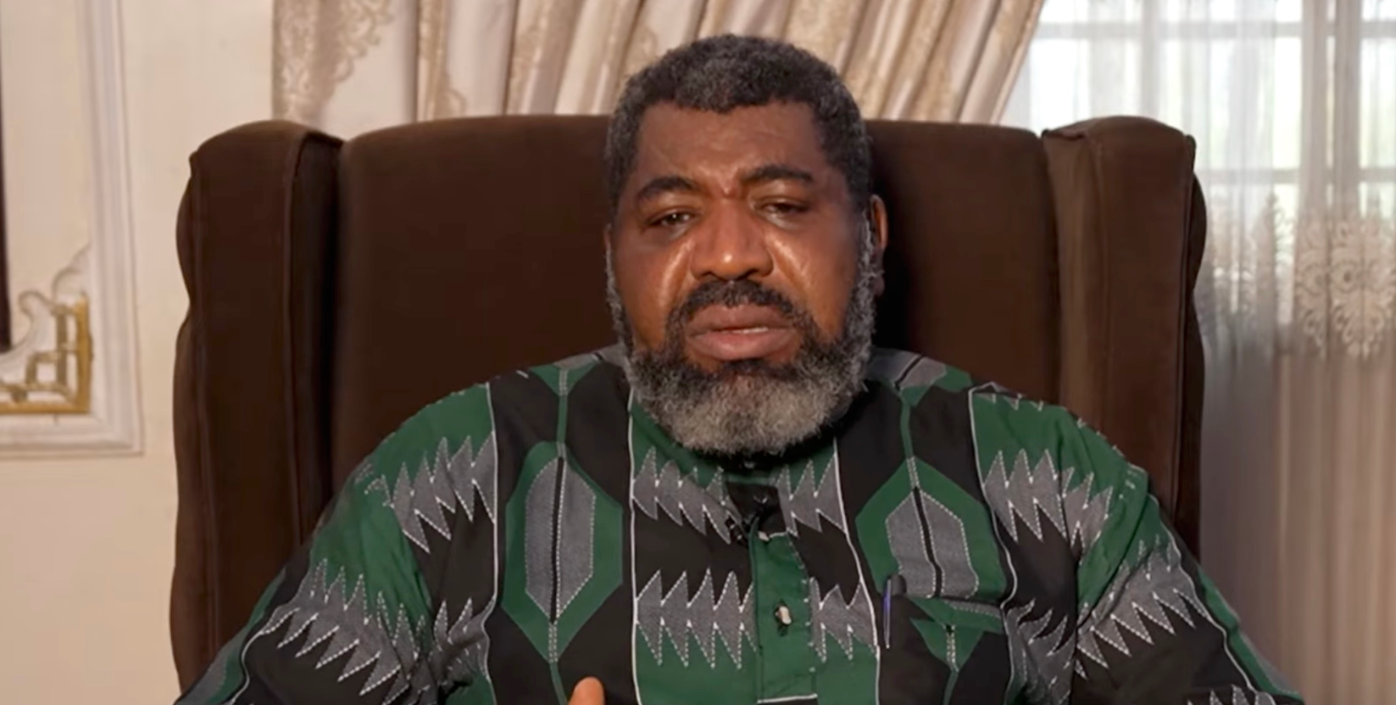
ICPC Probes Kila Fake Professorship: Special Team Formed
Summary
- The Independent Corrupt Practices and Other Related Offences Commission (ICPC) has formed a team to investigate Anthony Kila.
- The probe concerns allegations of a fake professorship.
- This action highlights the ICPC's commitment to combating academic credential fraud in Nigeria.
- The investigation underscores the serious legal implications of misrepresenting academic qualifications.
ICPC Launches Probe into Alleged Fake Professorship
The ICPC's decision to probe Kila over a fake professorship carries significant implications for the integrity of Nigeria's academic system and public trust.
The Independent Corrupt Practices and Other Related Offences Commission (ICPC) has initiated a formal investigation into an individual identified as Anthony Kila, following allegations of a fake professorship. The anti-graft agency has specifically constituted a dedicated team to conduct this probe, signaling a serious approach to the reported misrepresentation of academic credentials. This development underscores the ICPC's commitment to addressing issues of integrity and fraud within Nigeria's public and academic sectors.
The formation of a specialized team by the ICPC indicates that the commission views the allegations against Kila with significant concern. Such a focused effort suggests a thorough examination will be undertaken to ascertain the veracity of the professorship claim and to identify any potential breaches of law or ethical standards. The investigation aims to uncover the full scope of the alleged academic credential fraud, ensuring accountability for any misconduct found.
Legal and Regulatory Context of the Investigation
The ICPC operates under a mandate to combat corruption and related offenses across Nigeria, making it the primary body responsible for investigating allegations such as academic credential fraud. Misrepresenting qualifications, particularly for positions of influence like a professorship, can fall under various offenses, including fraud, forgery, and obtaining advantage by false pretense, all of which are within the ICPC's purview. The commission's involvement highlights the criminal dimension that such academic deceptions can carry, moving beyond mere institutional disciplinary action.
This ICPC investigation into Kila's alleged fake professorship aligns with the commission's broader efforts to uphold integrity in public service and educational institutions. The legal framework empowers the ICPC to investigate, prosecute, and recover assets obtained through corrupt means, including those acquired through fraudulent academic claims. The probe serves as a reminder that individuals who misrepresent their qualifications face potential legal repercussions under Nigeria's anti-corruption statutes.
Implications for Academic Integrity and Public Trust
The ICPC's decision to probe Kila over a fake professorship carries significant implications for the integrity of Nigeria's academic system and public trust. Instances of academic credential fraud erode the credibility of educational institutions, devalue legitimate qualifications, and undermine the meritocratic principles essential for national development. By actively pursuing such cases, the Independent Corrupt Practices Commission is sending a clear message that misrepresentation of qualifications will not be tolerated.
This particular ICPC investigation into Kila underscores a heightened focus on combating academic fraud, which is a critical step towards restoring confidence in the quality and authenticity of Nigerian academic achievements. The outcome of this probe could set an important precedent, reinforcing the necessity for rigorous verification processes for academic appointments and qualifications across the country. It signals a proactive stance by the authorities against those who seek to gain positions or advantages through deceptive means, ultimately aiming to safeguard the standards of education and professional conduct in Nigeria.
Practical Implications
This development signals the Independent Corrupt Practices and Other Related Offences Commission's (ICPC) active enforcement against credential fraud in Nigeria. Lawyers advising educational institutions, employers, or individuals should note the heightened risk of investigation for misrepresentation of qualifications and ensure robust due diligence processes are in place to verify academic credentials.
Source
How does this affect you?
Get an AI analysis of this article grounded in your jurisdictions, practice areas, and any policy documents you've uploaded to Wansom.
Finish Reading the Full Story and the Expert Analysis.
Get the latest legal & regulatory intelligence in Nigeria
Wansom is AI and can make mistakes.