
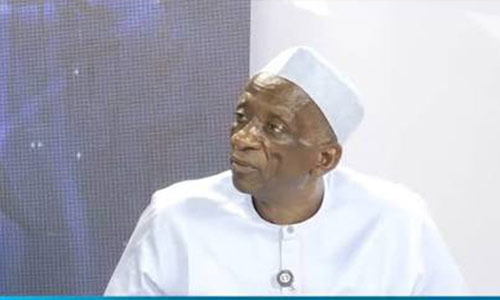
Federal High Court Adjourns Bashir Kurfi Defamation Case to November 4
In Katsina, Nigeria, the Federal High Court recently adjourned the alleged defamation and injurious falsehood case involving security analyst Dr. Bashir Kurfi to November 4, 2026, to allow his legal team to respond to a counter-affidavit filed by some of the respondents.
This adjournment highlights the often protracted nature of litigation in Nigeria, particularly in cases involving complex allegations like defamation and injurious falsehood, which can have significant reputational and financial implications. It underscores the importance of due process, ensuring that all parties have adequate time to prepare and respond to legal filings, even if it leads to lengthy delays. The reported solidarity shown by the Academic Staff Union of Universities (ASUU) suggests broader implications for academic freedom and public commentary, indicating that the case may attract considerable public and professional interest.
Defamation and injurious falsehood are torts under Nigerian common law, protecting reputation and economic interests, respectively. Cases of this nature are typically heard in the High Court, with the Federal High Court having jurisdiction over matters relating to the federal government, its agencies, or where federal laws are implicated. The filing of counter-affidavits is a standard procedural step in civil litigation, requiring time for review and response, as governed by the rules of court. The lengthy adjournment period, while not uncommon in complex Nigerian litigation, emphasizes the need for strategic planning and patience in the judicial process.
The key parties involved in this matter are Dr. Bashir Kurfi, the security analyst and university lecturer facing the allegations; unnamed respondents who filed the counter-affidavit; the Federal High Court in Katsina, which is presiding over the case; and the Academic Staff Union of Universities (ASUU), which has shown solidarity with Dr. Kurfi. The specific plaintiff(s) initiating the proceedings are not explicitly identified in the provided excerpt.
Attorneys involved in civil litigation, especially those dealing with defamation or similar torts, must anticipate and manage potentially lengthy court processes and significant adjournments. Thorough preparation, including timely and comprehensive responses to affidavits and other court filings, is crucial. Practitioners should also advise clients on the potential for reputational damage, the financial implications of prolonged litigation, and the strategic considerations when public figures or sensitive issues are involved, as public interest and advocacy can influence the narrative surrounding such cases.
How does this affect you?
Get an AI analysis of this article grounded in your jurisdictions, practice areas, and any policy documents you've uploaded to Wansom.
Finish Reading the Full Story and the Expert Analysis.
Get the latest legal & regulatory intelligence in Nigeria
Wansom is AI and can make mistakes.