
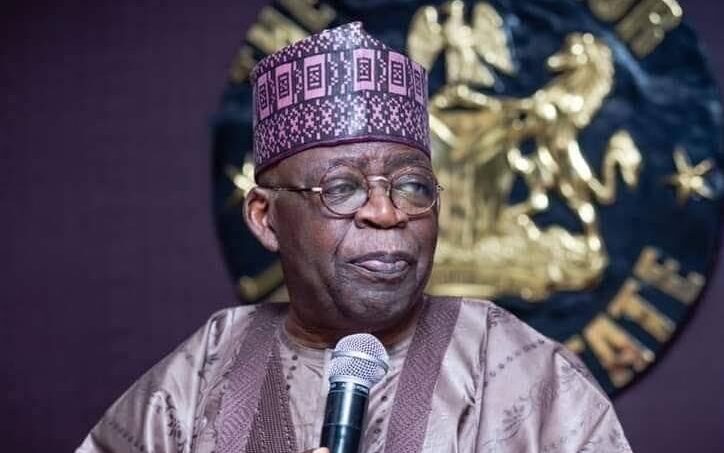
Tinubu Advances Women's Reserved Seats Bill for 2027 Elections
Summary
- President Tinubu has recently pledged his support for a women's reserved seats bill.
- This proposed legislation aims to allocate specific political positions for women, targeting the 2027 elections.
- The commitment follows a promise made by Mr. Tinubu during his 2023 presidential campaign to increase women's participation in government, over three years ago.
- The bill, if enacted, would significantly alter Nigeria's electoral framework and enhance female political representation.
What Happened
Lawyers specializing in constitutional or electoral law in Nigeria would need to closely monitor the legislative progress of this proposed bill, as its potential enactment would introduce significant changes to electoral frameworks and political representation, requiring adaptation in legal advice and strategy for future elections.
President Bola Ahmed Tinubu has recently reiterated his commitment to advancing a legislative proposal aimed at establishing reserved seats for women in political office. This declaration of support for the "Tinubu women's reserved seats bill 2027" signifies a potential shift in the nation's approach to political representation.
This latest pledge follows an earlier promise made by Mr. Tinubu during his 2023 presidential campaign. At that time, he had publicly committed to increasing the participation of women in government, a goal that the proposed bill now seeks to address through specific legislative action.
The current commitment comes more than three years after the initial campaign promise, highlighting a significant period between the articulation of the intent and the present legislative push. The bill is specifically framed to impact the 2027 elections, indicating a strategic timeline for its potential implementation.
Legal and Regulatory Context
The concept of "reserved seats legislation Nigeria" is a mechanism frequently explored in various democracies to enhance representation for underrepresented groups, particularly women. Such a bill, if enacted, would likely necessitate substantial modifications to existing electoral laws and could potentially require constitutional amendments, depending on its specific provisions and scope.
A "Nigeria gender equality bill" of this nature typically aims to mandate a minimum number of positions for women within legislative bodies, thereby ensuring a baseline level of female representation. This approach differs from broader affirmative action policies by creating specific, designated seats rather than merely encouraging increased participation.
Lawyers specializing in constitutional or electoral law in Nigeria would need to closely monitor the legislative progress of this proposed bill, as its potential enactment would introduce significant changes to electoral frameworks and political representation, requiring adaptation in legal advice and strategy for future elections.
Why It Matters
President Tinubu's explicit "Tinubu gender bill support" for the "women's reserved seats bill 2027" carries significant implications for "women political participation Nigeria". Should this legislation pass, it could lead to a substantial increase in the number of women holding elected positions, directly addressing the persistent challenge of gender imbalance in governance.
The focus on the "2027 election women's quota" underscores the immediate practical impact of this initiative. It suggests a clear intention to have these changes in place before the next general elections, which could fundamentally alter the composition of legislative bodies across the country.
This renewed commitment, coming after a three-year period since his initial campaign promise, also highlights the ongoing advocacy for greater female involvement in the political sphere. The proposed bill represents a concrete step towards fulfilling that broader objective, moving from policy discussions to tangible legislative action that could strengthen democratic institutions by making them more reflective of the population.
Practical Implications
Lawyers specializing in constitutional or electoral law in Nigeria should monitor the legislative progress of this proposed bill, as its potential enactment would introduce significant changes to electoral frameworks and political representation, requiring adaptation in legal advice and strategy for future elections.
Source
How does this affect you?
Get an AI analysis of this article grounded in your jurisdictions, practice areas, and any policy documents you've uploaded to Wansom.
Finish Reading the Full Story and the Expert Analysis.
Get the latest legal & regulatory intelligence in Nigeria
Wansom is AI and can make mistakes.