
Fed: Raises Interest Rates First Time 3 Years; Warsh Cites Inflation
Summary
- The Federal Reserve, under Chairman Kevin Warsh, raised the federal funds rate to 3.75% to 4% on Wednesday, marking its first increase in three years.
- This unanimous FOMC decision aims to combat renewed inflation, which Warsh described as "too high and has been for too long," and return to the Committee's 2% inflation goal.
- The rate hike occurred despite significant White House pressure for lower rates, with President Trump having threatened trade wars and criticized past Fed leadership.
- Chairman Warsh emphasized the Fed's independence, stating the central bank should "stay in our lane" and was not influenced by market expectations or bond yield spikes.
- The move follows a period where rates were cut from 5.25-5.5% starting in September 2024, settling at 3.5-3.75% after December 2025, with the last hike occurring in July 2023.
Federal Reserve Initiates Rate Hike
The Federal Reserve's decision to raise interest rates for the first time in three years under Chairman Warsh is seen by some as a crucial step in reasserting its independence and credibility.
The Federal Reserve has implemented its first interest rate increase in three years, elevating the federal funds rate to a target range of 3.75% to 4%. This pivotal decision, approved unanimously by all 12 voting members of the Federal Open Market Committee (FOMC), marks a significant shift from the previous steady rate of 3.5% to 3.75%, which had been maintained since its last cut in December 2025. The central bank cited persistent inflation as the primary driver for the adjustment, aiming to guide inflation back toward its 2% target.
This move follows a period where rates had been held at 5.25% to 5.5% for over a year before a series of cuts commenced in September 2024. The last time the Fed raised interest rates was in July 2023. Kevin Warsh, who recently assumed the role of Fed Chair, presided over this critical decision, which represents his second FOMC meeting since taking office. During his initial meeting in July, the Fed had opted to keep interest rates steady.
Navigating Inflation and Political Pressure
The central bank's action on Wednesday comes amidst renewed inflationary pressures, partly attributed to the Iran conflict and an uptick in Treasury bond yields. Chairman Warsh acknowledged the severity of the situation, stating unequivocally that “the plain fact is that inflation is too high and has been for too long.” This sentiment was echoed in the Fed's accompanying statement, which, though notably concise under Warsh's leadership, highlighted that “inflation remains elevated” and the rate increase would “support a timelier return to the Committee’s 2% goal.”
The decision also unfolded against a backdrop of considerable external pressure, particularly from the White House, which had advocated for lower interest rates. President Trump had previously threatened trade wars in his calls for rate reductions, even posting on social media that the U.S. should have the “LOWEST RATE of any country in the World” and that he would “LOWER THE RATE OR I’LL STOP TRADING WITH COUNTRIES WITH WHICH WE HAVE A DEFICIT.” These political interventions have fueled ongoing concerns about the Federal Reserve's independence, a sentiment that has circulated on Wall Street since before Warsh's confirmation, recalling past criticisms leveled by President Trump against former Chair Jerome Powell and Governor Lisa Cook through personal attacks and federal investigations.
Chairman Warsh's Assertive Stance
Chairman Warsh, only a few months into his tenure, has adopted a more streamlined communication approach for the central bank, reflected in the brevity of the post-decision statement. During a press conference following the decision, he deliberately avoided commenting on White House pressures, asserting that the Fed should “stay in our lane.” Warsh also dismissed the notion that the decision was influenced by recent market movements, such as the spike in bond yields or investors anticipating a rate hike. “I’ll observe market prices and see what they have to say, but today was our decision,” Warsh told reporters, emphasizing the committee's autonomous judgment.
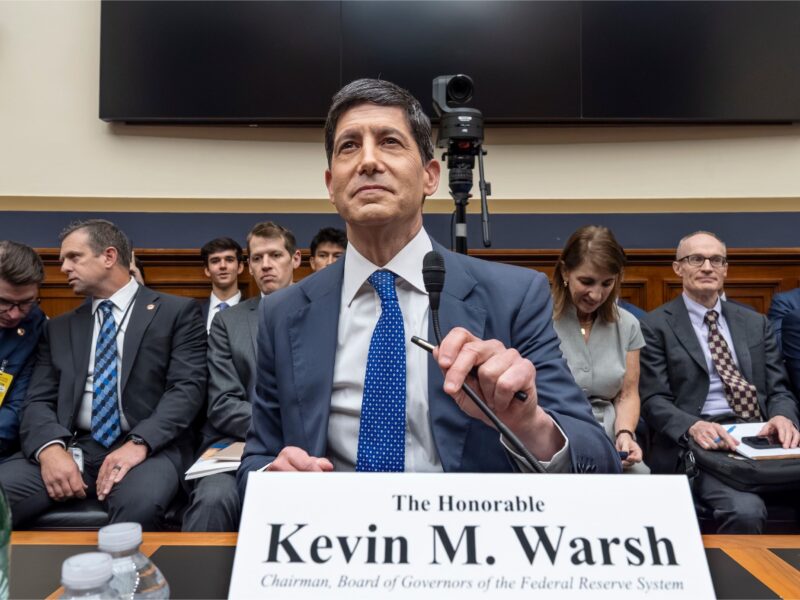
Warsh had previously signaled the potential for such a move during his closely watched speech at the annual Jackson Hole Symposium, where he identified inflation as a significant challenge for the Fed. He appeared before the House Financial Services Committee on Tuesday, July 14, 2026, to deliver the semi-annual monetary policy report, further underscoring the central bank's focus on its mandate.
Reaffirming Independence and Credibility
The Federal Reserve's decision to raise interest rates for the first time in three years under Chairman Warsh is seen by some as a crucial step in reasserting its independence and credibility. Market analysts, including Tom Essaye of the Sevens Report, had voiced concerns about the Fed's diminishing reputation and the perception of politicization. Essaye noted that while there's a common inclination to favor fewer rate hikes, this perspective changes when inflation or institutional credibility is at stake, which he believes is currently the case.
The unanimous approval of the rate hike, despite political headwinds and market speculation, serves as a strong signal that the central bank is committed to its mandate of price stability. This move aims to salvage the institution's reputation and address the rise in yields that some analysts attributed to market doubts about the Fed's independence.
Practical Implications
Lawyers advising clients on corporate finance, M&A, real estate, or debt restructuring should assess the immediate and long-term impact of higher borrowing costs on client transactions, valuations, and financial models. Compliance officers should monitor how these rate changes affect financial covenants and investment strategies.
Source
How does this affect you?
Get an AI analysis of this article grounded in your jurisdictions, practice areas, and any policy documents you've uploaded to Wansom.
Finish Reading the Full Story and the Expert Analysis.
Get the latest legal & regulatory intelligence in United States
Wansom is AI and can make mistakes.