
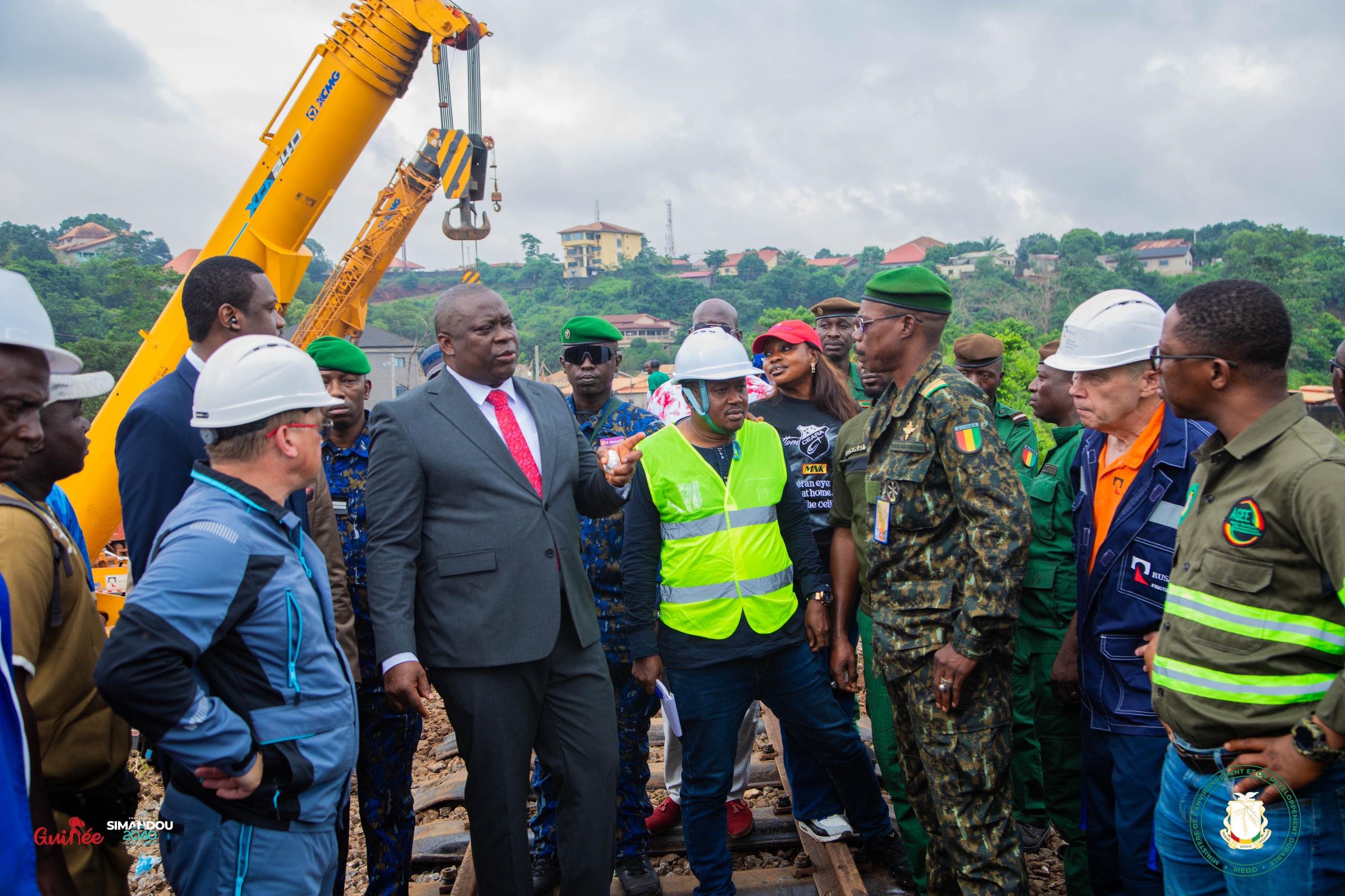
Minister Fassou Théa: Dubréka Environmental Damage Assessment After RUSAL Spill
Summary
- On September 1, 2026, Guinea's Minister of Environment, Fassou Théa, visited Kagbelen Village in Dubréka to assess environmental damage.
- The visit followed the derailment of a RUSAL-operated mineral train carrying alumina.
- The assessment focused on environmental damage and potential health risks to the local population.
- The incident highlights increased regulatory scrutiny on environmental protection and corporate accountability in Guinea's mining and transport sectors.
Incident Overview
The Minister's presence underscored the gravity with which the Guinean authorities are treating the RUSAL Dubréka train derailment and its aftermath.
On September 1, 2026, Guinea's Minister of Environment and Sustainable Development, Fassou Théa, undertook an urgent visit to Kagbelen Village, located within the Dubréka prefecture. The purpose of this immediate deployment was to conduct a direct, on-site Fassou Théa Dubréka environmental damage assessment following a significant industrial accident. This incident involved the derailment of a mineral train operated by RUSAL, which was transporting alumina.
The train derailment resulted in an alumina spill, raising immediate concerns about its environmental impact and potential health risks to the local population. The Minister's presence underscored the gravity with which the Guinean authorities are treating the RUSAL Dubréka train derailment and its aftermath. His visit aimed to thoroughly evaluate the extent of the damage and the potential for long-term ecological and public health consequences stemming from the Guinea alumina spill.
Official Response and Environmental Concerns
Minister Fassou Théa's rapid response to the incident highlights a proactive stance by the Ministry of Environment and Sustainable Development in addressing industrial accidents. The assessment focused not only on the immediate physical damage to the environment but also on the broader health implications for residents of Kagbelen Village. The presence of alumina, a substance used in aluminum production, necessitates a careful evaluation of its dispersion and potential interaction with local ecosystems and water sources.
Authorities are particularly concerned about the environmental risks posed to Kagbelen Village, given its proximity to the derailment site. The Minister's visit was crucial for gathering first-hand information to inform subsequent remediation efforts and to ensure that all necessary measures are taken to mitigate both the short-term and long-term impacts of the spill. This incident serves as a critical test case for Guinea's environmental response capabilities.
Broader Regulatory Implications
The direct involvement of Minister of Environment Fassou Théa in the post-derailment assessment signals a heightened regulatory focus on environmental protection and corporate accountability within Guinea's mining and transport sectors. Such high-level engagement suggests that companies operating mineral trains and other industrial transport in the region will face increased scrutiny regarding their safety protocols and environmental compliance. The incident underscores the critical importance of robust Mining transport safety Guinea regulations and their rigorous enforcement.
This event is likely to prompt a review of existing Guinea environmental law compliance mechanisms, particularly concerning the transportation of hazardous or potentially polluting materials. The government's swift action indicates a commitment to holding operators responsible for environmental damage and ensuring that preventative measures are adequately implemented to avoid future incidents. The outcome of this Fassou Théa Dubréka environmental damage assessment will undoubtedly influence future policy and enforcement actions across the nation.
Practical Implications
This incident indicates increased regulatory focus on environmental protection and liability for industrial accidents in Guinea. Lawyers advising mining or transport companies operating in the region should proactively review their clients' environmental risk management, emergency response plans, and potential exposure to fines or remediation orders following such incidents.
Source
Source: Original reporting via {source}
How does this affect you?
Get an AI analysis of this article grounded in your jurisdictions, practice areas, and any policy documents you've uploaded to Wansom.
Finish Reading the Full Story and the Expert Analysis.
Wansom is AI and can make mistakes.