
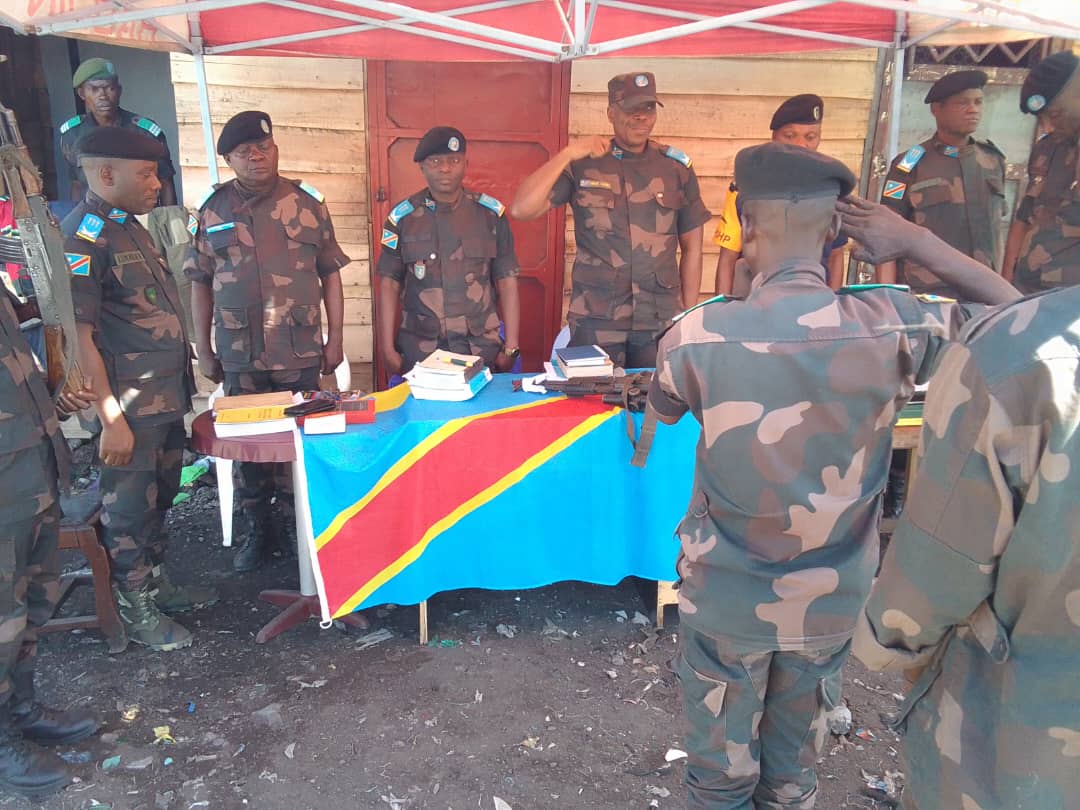
FARDC Officers Face Ituri War Crimes Trial for Mabanga Atrocities
Summary
- Four FARDC officers are on trial in Ituri for alleged war crimes, including murder and destruction of property.
- The charges relate to military operations conducted in June 2025 in Mabanga, Djugu territory, against CRP militiamen.
- The accused captains and lieutenants allegedly commanded operations that resulted in civilian deaths and the destruction of homes by FARDC bombs.
- The trial, known as "Affaire Likidha," is being held in Soleniama as mobile court hearings, relocated due to security risks and to engage affected communities.
- The United Nations mission MONUSCO is providing technical and financial support for the proceedings, which are expected to conclude by November 5.
What Happened
This prosecution of FARDC officers for alleged war crimes underscores a significant commitment to accountability within the Democratic Republic of Congo's military.
Four officers from the Armed Forces of the Democratic Republic of Congo (FARDC) are currently facing trial before the Tribunal militaire de garnison de l’Ituri. The proceedings, which began on Monday, October 26, are being conducted as mobile court hearings, known as *audiences foraines*, in Soleniama, a location approximately ten kilometers north of Bunia. These FARDC officers, holding ranks of captain and lieutenant, are accused of war crimes, specifically murder and destruction of property.
The charges stem from military operations conducted in June 2025 in Mabanga, situated within the Djugu territory. During these operations, the accused officers were in command of forces engaged against militiamen from the CRP group. According to evidence presented by the prosecution, these military actions allegedly resulted in the deaths of multiple civilians and the extensive destruction of numerous residential structures, reportedly caused by bombs deployed by the Congolese armed forces.
Following these grave incidents, investigations were promptly initiated. A dedicated military team was dispatched to the site to assess the damage and gather evidence. The case, officially designated as the "Affaire Likidha," was subsequently referred to the Tribunal militaire de garnison de l’Ituri for prosecution, leading to the current trial of the FARDC officers.
Legal Context
The decision to hold these hearings as *audiences foraines* in Soleniama marks a strategic adjustment. Initially, the trial was slated to take place in Iga-Barrière, also within the Djugu territory. However, the venue was changed due to prevailing security concerns in the region, specifically the presence of militiamen and the associated risks to the safety of participants and the proceedings.
This relocation to Soleniama serves multiple critical objectives beyond just security. Judicial sources indicate that the move is intended to bring the judicial process geographically closer to the communities most affected by the alleged crimes. This proximity is aimed at fostering greater trust among victims in the justice system and actively contributing to the broader effort to combat impunity within the Ituri province.
Further underscoring the significance and complexity of this FARDC officers Ituri war crimes trial, the proceedings are receiving substantial technical and financial assistance. This crucial support is being provided by the Justice Support Section of the United Nations Organization Stabilization Mission in the Democratic Republic of Congo (MONUSCO), highlighting international commitment to accountability. The hearings are scheduled to continue until November 5.
Why It Matters
This prosecution of FARDC officers for alleged war crimes underscores a significant commitment to accountability within the Democratic Republic of Congo's military. The trial of high-ranking personnel, specifically captains and lieutenants, on charges of murder and destruction of property during active military operations, sends a powerful message regarding adherence to international humanitarian law and the protection of civilian lives even in conflict zones.
For legal practitioners and military advisors, this case, known as the "Affaire Likidha," establishes an important precedent for DRC military war crimes prosecution. The outcome of this trial could significantly influence future military conduct during operations, particularly in volatile regions like Ituri, and shape the legal defense strategies for similar cases involving allegations against armed forces personnel. It highlights the increasing scrutiny and demand for justice for actions committed by state actors.
Moreover, the active involvement and MONUSCO justice support in Ituri for these proceedings emphasize the international community's role in strengthening the rule of law and combating impunity in the DRC. Such trials are vital for rebuilding public confidence in state institutions and demonstrating that even those in positions of command within the FARDC are not above the law when allegations of serious crimes, such as those committed during Djugu Mabanga military operations, are brought forward.
Practical Implications
Lawyers advising military personnel or involved in international criminal law in the DRC should closely monitor this trial, as it sets a precedent for accountability of FARDC officers for alleged war crimes committed during operations, potentially influencing future military conduct and legal defense strategies in similar cases.
Source
Source: Original reporting via {source}
How does this affect you?
Get an AI analysis of this article grounded in your jurisdictions, practice areas, and any policy documents you've uploaded to Wansom.
Finish Reading the Full Story and the Expert Analysis.
Wansom is AI and can make mistakes.