
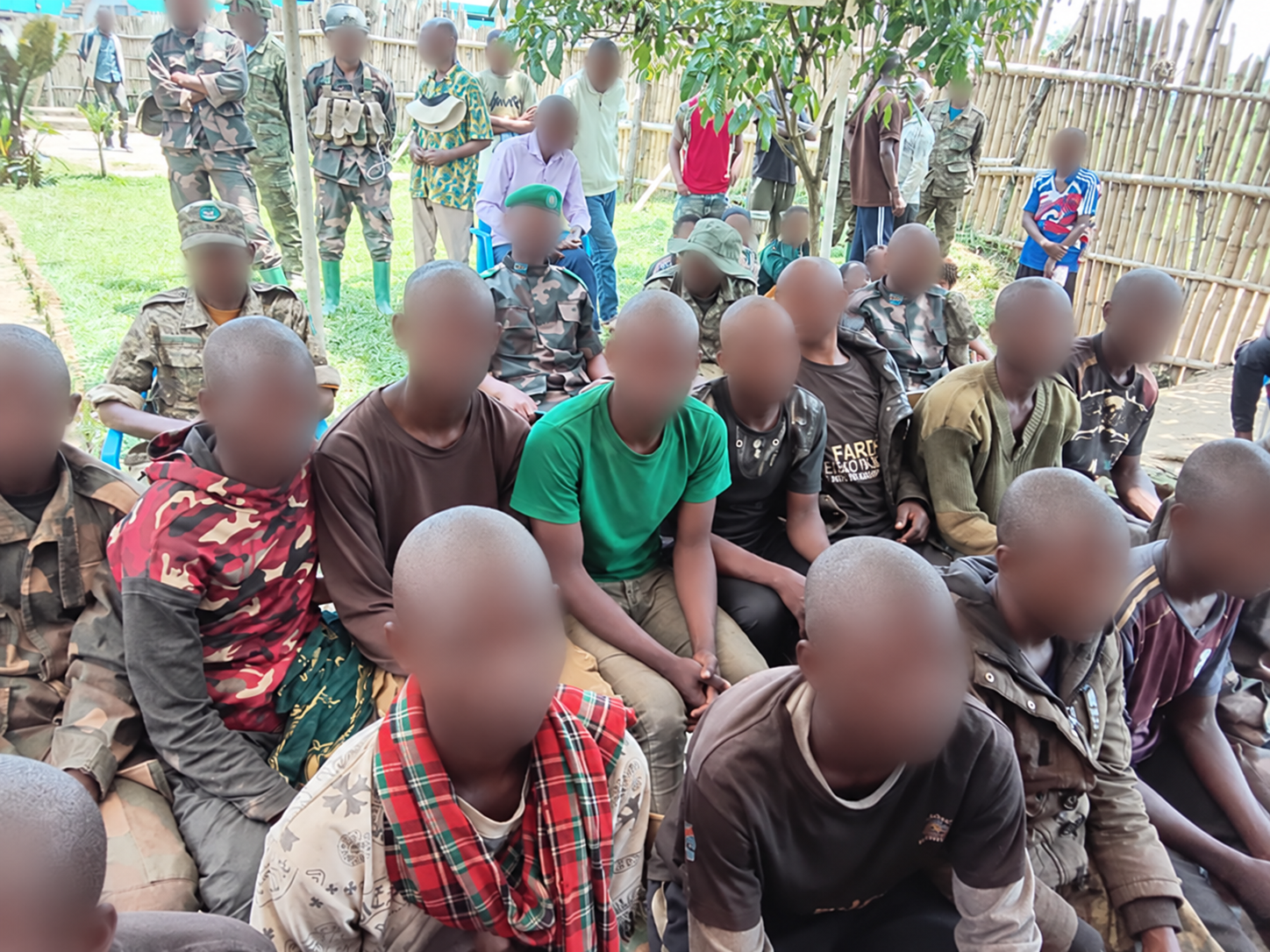
Walikale Military Tribunal: 54 FARDC Militaires Face Grave Procès
Summary
- Fifty-four FARDC military personnel are on trial in Walikale, Nord-Kivu, facing charges including assassination and abandonment of post.
- The trial, conducted by the Goma military tribunal, began on October 26 and is proceeding under a summary "procédure de flagrance."
- The soldiers were arrested on October 20 following incidents in Ntoto that resulted in two deaths and two injuries during an altercation with military police.
- Charges also include dissipation of war munitions and refusal to obey orders, considered grave offenses during wartime.
- A verdict in the 54 FARDC militaires Walikale procès is expected by early November, highlighting the swiftness of military justice in the DRC.
The Charges and Proceedings
The rapid progression from arrest on October 20 to the commencement of the trial on October 26, with a verdict expected within weeks, highlights the swift nature of military justice in such circumstances.
Fifty-four military personnel from the 3415th regiment of the Armed Forces of the Democratic Republic of Congo (FARDC) are currently facing serious charges before a military tribunal. The 54 FARDC militaires Walikale procès commenced on Monday, October 26, with the tribunal militaire de garnison de Goma convening in an extraordinary session (audience foraine) in Walikale, located in Nord-Kivu. These militaires congolais Nord-Kivu are accused of multiple grave offenses, including assassination, abandonment of post, dissipation of war munitions, and refusal to obey orders. The verdict for this significant case is anticipated by early November.
The arrests of these soldiers took place on October 20, following a series of violent incidents in Ntoto, within the Waloa Loanda groupment, an area bordering Masisi territory. These events tragically resulted in the deaths of two individuals—one military member and one civilian—and left two others injured, also comprising one soldier and one civilian. According to Major Dieudonné Kasereka, the communication officer for the 34th Military Region, the altercations reportedly occurred when military police attempted to prevent the soldiers from unauthorized departure from a combat zone. The initial hearing on October 26 focused on the identification of the defendants, as confirmed by Major Kasereka.
Legal Context and Severity
The legal framework under which these 54 FARDC militaires Walikale procès are being conducted is known as a "procédure de flagrance," a summary judicial process for flagrant offenses in the RDC. This expedited approach underscores the urgency and gravity assigned to the alleged crimes, especially within a conflict zone. Military sources emphasize that the infractions for which the soldiers are being prosecuted—specifically FARDC assassinat abandon poste, dissipation munitions guerre FARDC, and refusal to obey—are considered exceptionally severe during wartime. The rapid progression from arrest on October 20 to the commencement of the trial on October 26, with a verdict expected within weeks, highlights the swift nature of military justice in such circumstances.
The charges of FARDC assassinat abandon poste are particularly serious, reflecting a breakdown of discipline and potential harm to both military operations and civilian populations. Dissipation de munitions de guerre FARDC further compounds the gravity, as it involves the misuse or loss of critical military assets. The tribunal militaire Goma Walikale is therefore addressing actions that directly undermine military effectiveness and national security. This procès flagrance RDC serves as a stark reminder of the strict accountability expected from military personnel, particularly when operating in volatile regions like Nord-Kivu.
Implications for Military Discipline
This ongoing trial of the 54 FARDC militaires Walikale procès sends a clear message regarding the uncompromising stance of the Democratic Republic of Congo's military justice system on severe breaches of conduct. The swiftness of the procès flagrance RDC, from the initial incidents to the expected verdict in early November, demonstrates a commitment to rapid adjudication for serious offenses. Such a rapid judicial process, particularly for charges like FARDC assassinat abandon poste and dissipation munitions guerre FARDC, is designed to maintain discipline and order within the ranks, especially crucial for militaires congolais Nord-Kivu operating in active combat zones.
The current proceedings are not an isolated incident but rather reflect a consistent application of stringent military law. For instance, another group of ten soldiers from the very same 3415th regiment faced judgment on September 1. These individuals were convicted for opening fire on their company commander and received sentences ranging from ten months in prison to principal penal servitude. This prior case, involving members of the same unit, underscores the severe consequences for insubordination and violence within the FARDC, reinforcing the high stakes involved in the current tribunal militaire Goma Walikale proceedings. The judicial system is clearly signaling that such transgressions will be met with immediate and severe legal repercussions.
Practical Implications
This case demonstrates the swift and severe application of military justice in the DRC for serious offenses like abandonment of post and assassination, particularly in conflict zones. Lawyers advising military personnel or organizations operating in such areas should note the high stakes and rapid judicial process, which can lead to quick verdicts.
Source
How does this affect you?
Get an AI analysis of this article grounded in your jurisdictions, practice areas, and any policy documents you've uploaded to Wansom.
Finish Reading the Full Story and the Expert Analysis.
Wansom is AI and can make mistakes.