
FAO Expert Urges Scientific Proof on Hot Food Plastic Packaging Safety
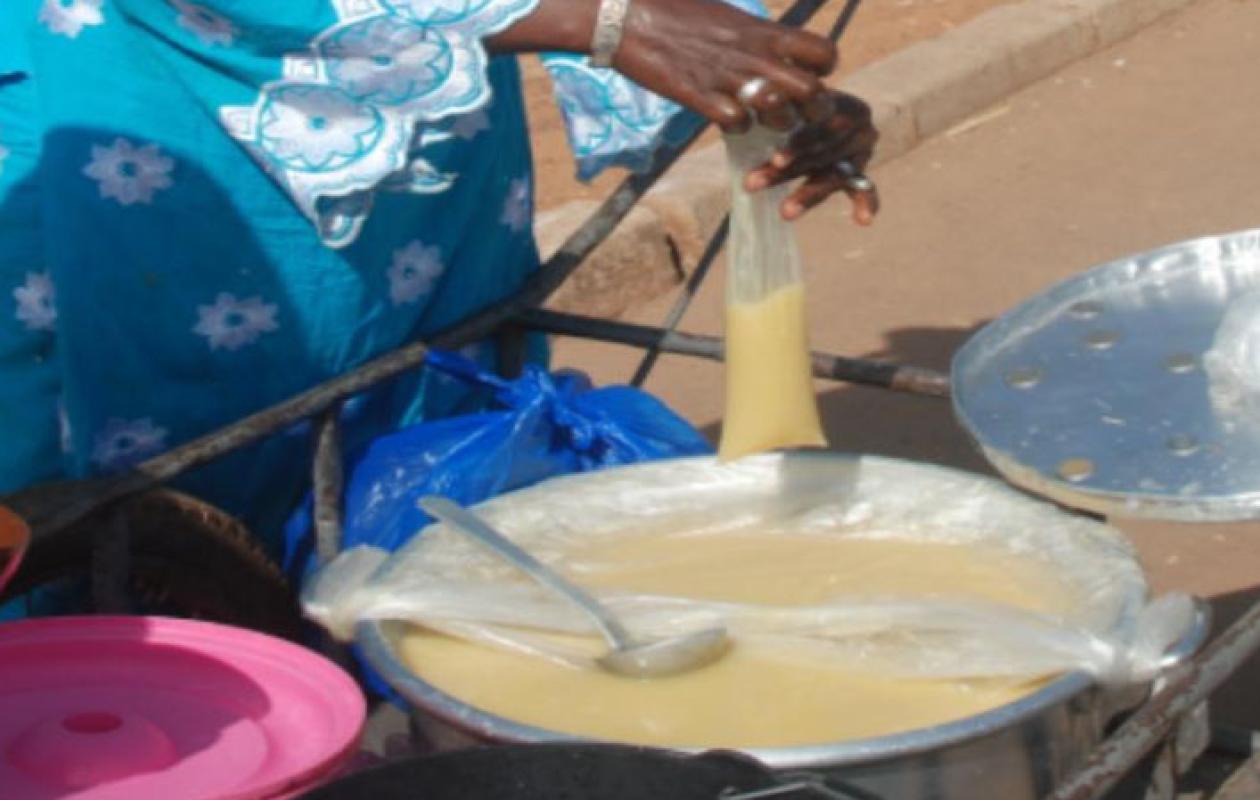
Dr. Mamadou Ndiaye, a food safety expert at the FAO, called for scientific evidence regarding the safety of serving hot porridge in plastic bags and highlighted broader food safety risks in street food, during a community forum in Dakar, Senegal, on July 29, 2026. This intervention specifically questioned the practice of pouring very hot preparations into plastic sachets, emphasizing that packaging for food must be inert to prevent exchange between content and container, and noting that plastic is generally not inert when in contact with heat. While acknowledging that this observation does not definitively prove systematic danger, it critically raises the issue of packaging suitability for hot food.
This development carries significant legal and public health implications for practitioners, businesses, and the public in Senegal. The expert's remarks underscore a potential regulatory gap or enforcement challenge concerning food packaging standards and general hygiene in the informal food sector. Businesses, particularly street food vendors, face increased scrutiny regarding their operational practices, which could lead to stricter regulations, enhanced inspections, or public health campaigns. For consumers, it highlights inherent risks in common food practices, potentially influencing purchasing decisions and increasing awareness of food safety issues. The call for an inter-ministerial council signals a potential coordinated governmental response to these multifaceted challenges.
The legal context for this issue in Senegal primarily falls under public health and consumer protection laws, likely governed by the Ministry of Health, Ministry of Commerce, and potentially local municipal authorities responsible for food hygiene and market regulation. Senegal's food safety framework would typically include general provisions on food quality, hygiene, and labeling, but specific regulations concerning the chemical inertness of packaging materials, especially plastics used with hot foods, might require further development or clearer enforcement guidelines. The FAO's involvement suggests an international standard-setting influence, potentially guiding national policy. The broader issues of water quality, food exposure, and control of mobile vendors point to systemic challenges requiring a comprehensive regulatory approach, possibly involving amendments to existing decrees or the promulgation of new ones to address these specific risks.
Key parties involved include Dr. Mamadou Ndiaye and the FAO, who are acting as expert advisors and advocates for improved food safety. The Senegalese government, through its various ministries and agencies, is the primary regulatory authority tasked with implementing and enforcing food safety standards. Street food vendors are the direct subjects of these concerns, as their practices are under review. Ultimately, the general public, as consumers of street food, are the beneficiaries of any improved safety measures. The outcome of this matter, in terms of specific regulatory changes or enforcement actions, is not yet reported, as the excerpt details an expert's call for action rather than a final decision.
Practitioners, particularly those advising food businesses or involved in public health law, should closely monitor legislative and regulatory developments in Senegal concerning food safety, packaging materials, and hygiene standards for the informal sector. Businesses should proactively review and, if necessary, revise their food preparation, handling, and packaging protocols to align with best practices and anticipate potential new regulations. This includes evaluating the suitability and inertness of packaging materials for hot foods and ensuring robust hygiene practices throughout their operations. Legal professionals should also advise clients on potential liability risks associated with non-compliance and the importance of engaging with regulatory bodies to understand evolving requirements.
How does this affect you?
Get an AI analysis of this article grounded in your jurisdictions, practice areas, and any policy documents you've uploaded to Wansom.
Finish Reading the Full Story and the Expert Analysis.
Get the latest legal & regulatory intelligence in Senegal
Wansom is AI and can make mistakes.