
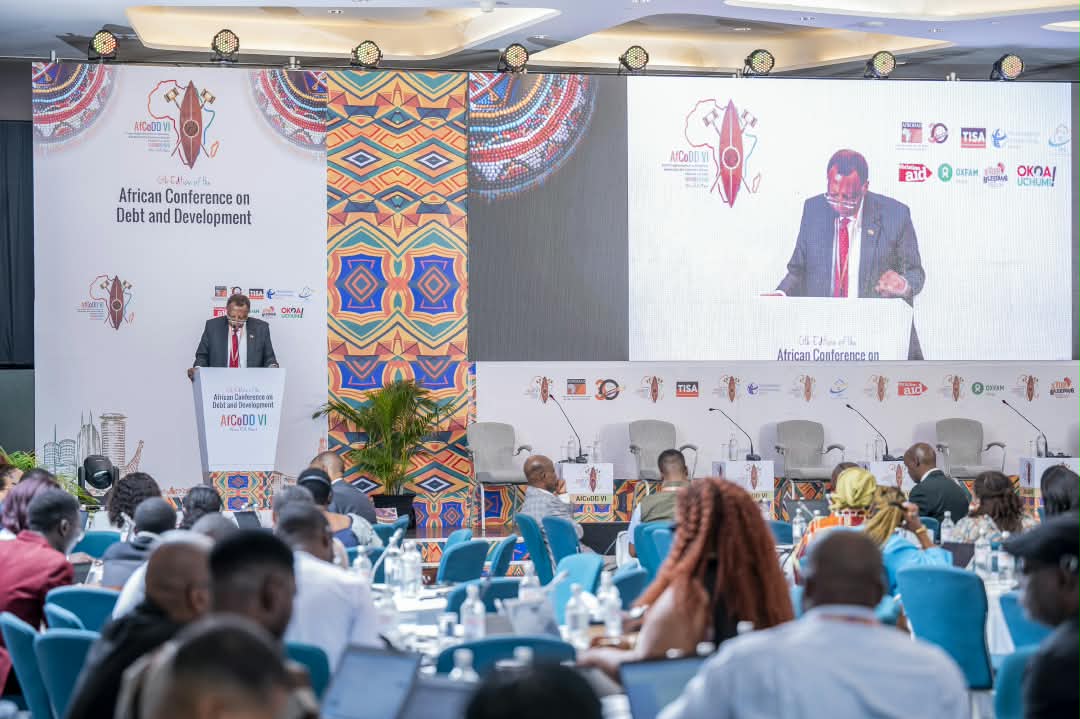
Experts Warn on Africa's Debt Management, Oversight Weaknesses
Experts at the sixth African Conference on Debt and Development (AfCoDD VI) in Nairobi, Kenya, highlighted that poor debt data and weak oversight are significant threats to Africa's debt management. This critical observation, made during a high-level gathering organised by the African Forum and Network on Debt and Development (AFRODAD), underscores a pervasive challenge impacting economic stability and development across the continent. The discussions brought to the fore the systemic issues that hinder effective fiscal planning and risk assessment for African nations, pointing towards a need for urgent reforms in data collection and governance structures.
The legal significance of these expert opinions for practitioners is substantial, particularly for those advising governments, international financial institutions, and private investors operating in African markets. Inaccurate or incomplete debt data can lead to misinformed policy decisions, unsustainable borrowing, and increased sovereign risk, potentially triggering debt crises. Weak oversight mechanisms, conversely, create avenues for corruption, mismanagement of public funds, and a lack of accountability, all of which can have severe legal and economic repercussions. For businesses, this translates to heightened investment risk, currency volatility, and potential difficulties in repatriating profits or securing financing in affected jurisdictions.
Legally, this issue touches upon various frameworks, including national public finance management acts, fiscal responsibility laws, and the mandates of central banks and finance ministries across African states. It also implicates international financial law and the principles of good governance promoted by multilateral organisations. While not a direct legal ruling, the expert consensus serves as a strong indicator of areas where legal and regulatory reforms are critically needed. The key parties involved extend beyond the conference organisers and experts to include African governments, their respective finance and planning ministries, national statistical offices, and international bodies like the IMF and World Bank, which often provide technical assistance and set reporting standards.
Practitioners should closely monitor legislative and regulatory developments aimed at improving debt transparency and strengthening oversight in African countries. Attorneys advising on sovereign debt instruments or project finance in the region must conduct thorough due diligence, scrutinising the quality and reliability of publicly available debt data. They should also counsel clients on the potential legal and financial risks associated with investing in jurisdictions identified as having poor debt management practices. Furthermore, legal professionals may find opportunities to assist governments in drafting and implementing robust fiscal responsibility laws and data governance frameworks to mitigate these identified threats.
For legal professionals, understanding the nuances of debt management challenges in Africa is paramount. It requires a proactive approach to risk assessment and a deep understanding of both domestic and international financial regulations. The call for improved data and oversight is not merely an economic recommendation but a foundational requirement for legal certainty and investor confidence, demanding attention from all stakeholders in the legal and financial sectors.
How does this affect you?
Get an AI analysis of this article grounded in your jurisdictions, practice areas, and any policy documents you've uploaded to Wansom.
Finish this article free. Just your email for instant unlock.
Wansom is AI and can make mistakes.