
Sénégal: Excision Mortelle Bébé Tamba, 2 Arrestations Dont Grand-Mère
Summary
- A baby in Tambacounda, Senegal, died after undergoing female genital mutilation.
- A forensic medical report confirmed the infant suffered severe hemorrhages from the mutilation performed with a sharp object.
- An 85-year-old grandmother and an accomplice have been arrested in connection with the fatal incident.
- This case highlights Senegal's strict enforcement of laws against female genital mutilation, particularly in the Tambacounda region.
- The arrests underscore that all individuals involved in FGM, regardless of age or relation, face severe legal consequences.
Tragic Incident in Tambacounda
The application of the loi anti-excision Sénégal is particularly stringent in regions like Tambacounda, where efforts to eradicate FGM are intensified.
A profound tragedy has unfolded in Tambacounda, Senegal, where a newborn infant has died following a procedure identified as female genital mutilation (FGM). The incident, which has led to significant legal action, underscores the severe consequences of this illegal practice. Authorities have confirmed the arrest of two individuals in connection with the baby's death, including an 85-year-old grandmother and an alleged accomplice, highlighting the broad scope of accountability in such cases.
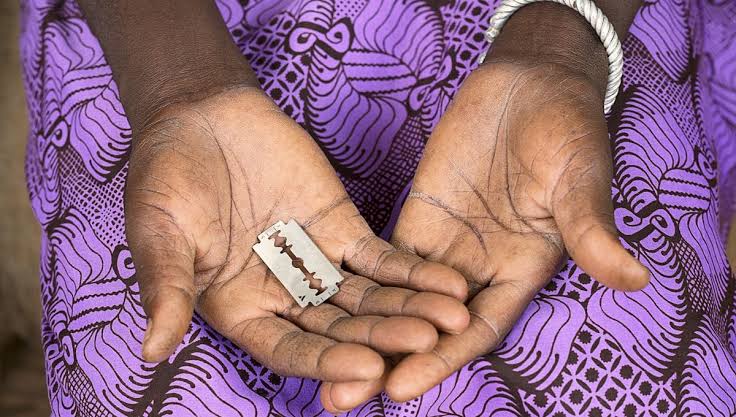
The circumstances surrounding the infant's passing were brought to light through a forensic medical examination. A death certificate issued by a medical examiner at the Tambacounda regional hospital provided critical details, confirming that the baby's external genital organs had been mutilated. This procedure, performed with a sharp object, resulted in severe hemorrhages that critically compromised the infant's health, ultimately leading to the fatal outcome. This case of excision mortelle bébé Tamba arrestations has sent shockwaves through the community, emphasizing the dangers associated with traditional practices that violate national law.
Strict Legal Framework Against FGM
This incident serves as a stark reminder of Senegal's robust legal stance against female genital mutilation. The nation has enacted comprehensive legislation prohibiting FGM, reflecting a strong commitment to protecting women and girls from this harmful practice. The law is applied rigorously, and the current MGF Tambacounda poursuites demonstrate the government's unwavering resolve to prosecute all individuals involved in such acts, regardless of their age or familial relation to the victim.
The application of the loi anti-excision Sénégal is particularly stringent in regions like Tambacounda, where efforts to eradicate FGM are intensified. Legal consequences for participating in, facilitating, or even condoning FGM can be severe, encompassing arrest, prosecution, and significant penalties. The arrest of the grand-mère arrêtée excision Sénégal, despite her advanced age, illustrates that no one is exempt from accountability under these laws, reinforcing the message that the state will not tolerate any form of female genital mutilation Sénégal.
Why This Case Matters
The tragic décès nourrisson Tambacounda excision case carries significant implications for public health and legal enforcement across Senegal. It reinforces the critical importance of adhering to national prohibitions against FGM and highlights the severe risks associated with these procedures, which often result in grave injuries or death. This prosecution sends a clear signal to communities that traditional practices conflicting with human rights and national law will be met with decisive legal action.
For legal professionals and compliance officers, this development underscores the active and severe enforcement of laws against female genital mutilation in Senegal, particularly in the Tambacounda region. Lawyers and compliance officers should advise clients, especially those working with communities or in healthcare, about the strict legal consequences, including arrest and prosecution, for any involvement in FGM, even for family members, and the importance of adhering to national prohibitions. The ongoing legal proceedings serve as a powerful deterrent and a testament to the government's dedication to eradicating FGM entirely.
Practical Implications
This development underscores the active and severe enforcement of laws against female genital mutilation (FGM) in Senegal, particularly in the Tambacounda region. Lawyers and compliance officers should advise clients, especially those working with communities or in healthcare, about the strict legal consequences, including arrest and prosecution, for any involvement in FGM, even for family members, and the importance of adhering to national prohibitions.
Source
How does this affect you?
Get an AI analysis of this article grounded in your jurisdictions, practice areas, and any policy documents you've uploaded to Wansom.
Finish Reading the Full Story and the Expert Analysis.
Get the latest legal & regulatory intelligence in Senegal
Wansom is AI and can make mistakes.