
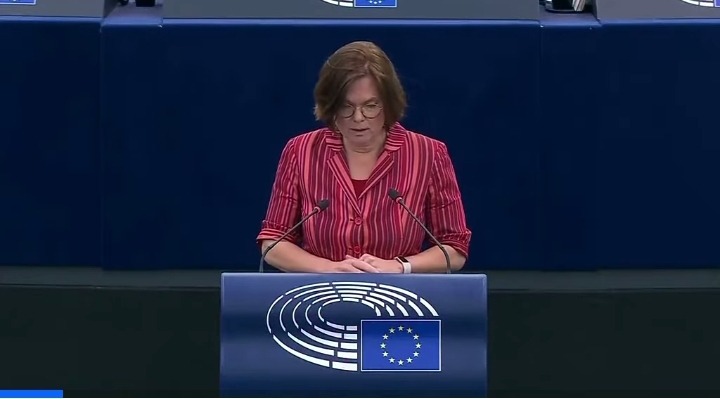
European Parliament: Calls For EU Zambia Funding Review After Mutotwe Kafwaya Killing
Summary
- The European Parliament has called for the European Union to review its funding priorities for Zambia.
- This call was initiated by Marit Maij, citing concerns over political violence and attacks on democracy.
- Specific worries include pressure on civil society and the media within Zambia.
- The killing of Hon. Mutotwe Kafwaya was explicitly cited as a reason for the review.
Call for Funding Review
For lawyers advising clients with investments or operations in Zambia, this development necessitates close monitoring.
The European Parliament has initiated a significant call for the European Union to reassess its financial commitments to Zambia. This demand for an EU Zambia funding review stems from a range of serious concerns regarding the political and human rights landscape within the Southern African nation. The impetus for this re-evaluation was articulated by Marit Maij, a representative of the European Parliament, who specifically highlighted several critical issues.
Maij's statement underscored worries about escalating political violence, which has become a focal point of the European Parliament Zambia aid review. Additionally, the European Parliament expressed alarm over what it perceives as direct attacks on democratic institutions and processes in Zambia. These concerns extend to the increasing pressure faced by both civil society organizations and independent media outlets, suggesting a narrowing space for dissent and free expression.
A pivotal factor driving this urgent call for a review of Zambia political violence EU funding is the tragic killing of Hon. Mutotwe Kafwaya. This specific incident appears to have crystallized broader anxieties within the European Parliament regarding the state of governance and human rights in Zambia, prompting a formal request for the EU to scrutinize its aid priorities more closely. The Marit Maij Zambia funding concerns are thus rooted in both systemic issues and specific, grave incidents.
Underlying Concerns and EU Principles
The European Parliament's decision to advocate for a comprehensive EU Zambia funding review is deeply rooted in the foundational principles that guide the European Union's external relations and development cooperation. The EU consistently emphasizes good governance, the rule of law, and respect for human rights as cornerstones of its partnerships. Therefore, reports of political violence and infringements on democratic norms in Zambia directly challenge these core values, necessitating a response from Brussels.
The concerns voiced by Marit Maij extend beyond isolated incidents, painting a picture of systemic challenges to Zambia's democratic fabric. The reported "attacks on democracy" suggest a potential erosion of institutional checks and balances, which are vital for a functioning democratic state. Such developments are typically viewed with extreme gravity by the European Parliament, which often acts as a strong advocate for democratic principles globally.
Furthermore, the pressure exerted on civil society and the media in Zambia represents a direct affront to fundamental freedoms that the EU champions worldwide. A vibrant civil society and an independent press are considered indispensable for accountability, transparency, and the protection of EU human rights Zambia democracy. The Zambia civil society pressure EU has noted indicates a shrinking civic space, which can stifle public discourse and hinder the ability of citizens to hold their government accountable. These issues collectively form the basis for the European Parliament's serious Marit Maij Zambia funding concerns.
Implications and Strategic Considerations
The proposed EU Zambia funding review Mutotwe Kafwaya has significant implications, not only for the direct relationship between the European Union and Zambia but also for the broader economic and political landscape within the country. A re-evaluation of funding priorities could lead to adjustments in the nature and volume of aid, potentially impacting various sectors that rely on EU support, from infrastructure development to social programs. This signals an increased level of scrutiny on Zambia's adherence to international standards of governance and human rights.
For lawyers advising clients with investments or operations in Zambia, this development necessitates close monitoring. The EU's heightened focus on governance and human rights could foreshadow a more stringent regulatory environment and increased pressure on businesses to demonstrate ethical practices and compliance with international norms. Such a shift could introduce new layers of political risk, requiring companies to reassess their operational strategies and due diligence processes in the region.
The European Parliament Zambia aid review underscores the interconnectedness of political stability, human rights, and economic viability. Any perceived deterioration in these areas can directly influence investor confidence and the overall business climate. Therefore, understanding the nuances of this review and its potential outcomes is crucial for mitigating risks and ensuring the long-term sustainability of commercial ventures in Zambia, as the EU's stance often influences other international partners and financial institutions.
Practical Implications
Lawyers advising clients with investments or operations in Zambia should monitor the EU's funding review closely, as it signals increased scrutiny on governance and human rights, potentially impacting economic stability and regulatory environments. This could necessitate reassessments of political risk and compliance strategies for businesses operating in the region.
Source
How does this affect you?
Get an AI analysis of this article grounded in your jurisdictions, practice areas, and any policy documents you've uploaded to Wansom.
Finish Reading the Full Story and the Expert Analysis.
Get the latest legal & regulatory intelligence in Zambia
Wansom is AI and can make mistakes.