
European Commission Scrutinized Over Schengen Law Compliance
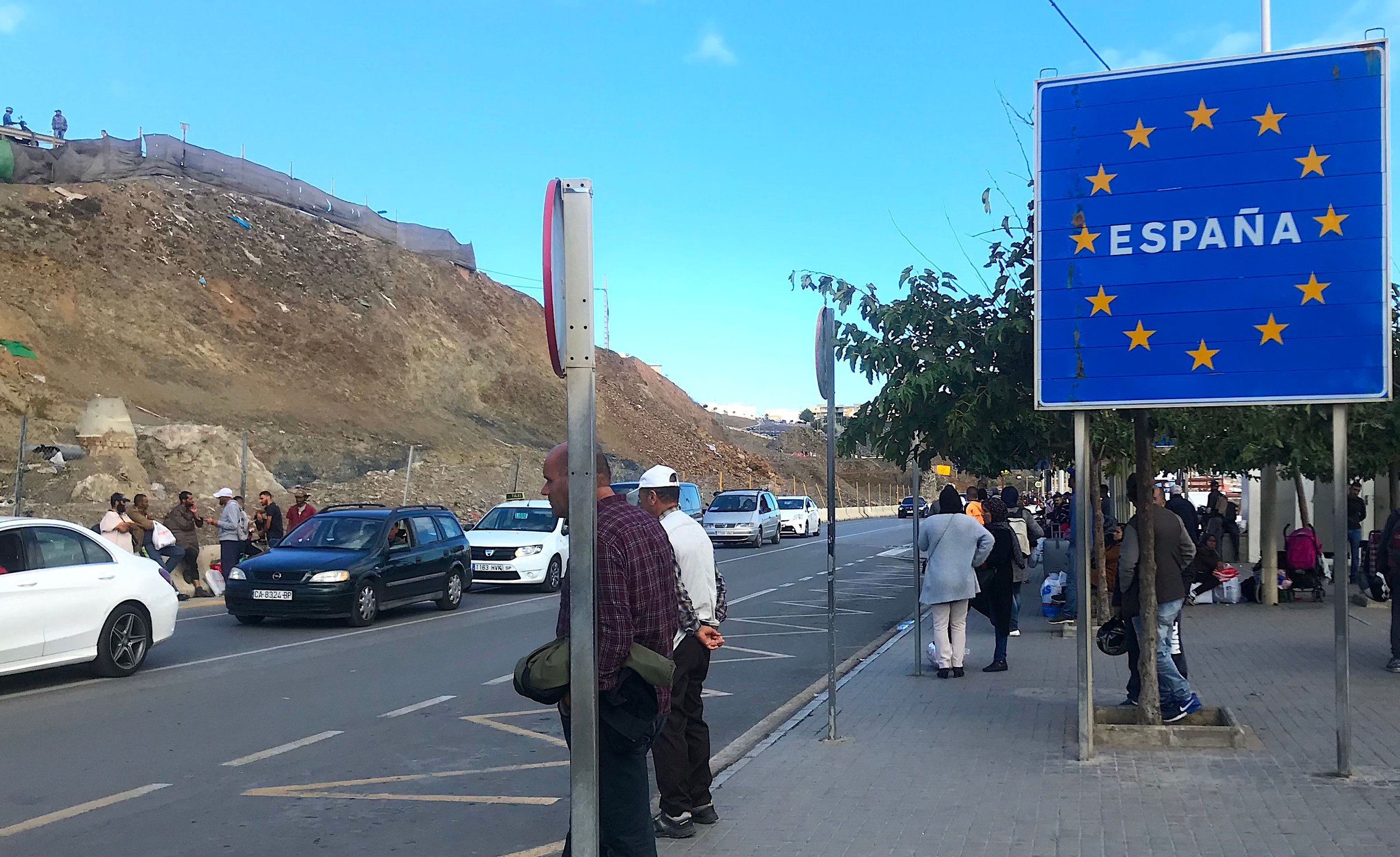
The European Commission has staked its credibility on safeguarding the internal border-free Schengen zone – by shoring up its external borders, revamping EU migration laws and paying human-rights busting regimes large sums to prevent people from ever reaching Europe. But its soft-glove approach to holding member states accountable for internal border closures, while taking a hard line on migration and the EU’s external borders in the name of preserving Schengen, appears increasingly counterproductive. “This is about secure and safe external borders,” a commission spokesperson told reporters on Thursday (20 August) when pressed about the fallout from the latest reciprocal internal border control checks, imposed by Spain and Italy. “Schengen requires external borders that are strong, and a firm and fair migration management,” he added. For years, the commission has argued that strong external borders are essential. That is a position few would dispute, given the benefits of free movement within the EU, currently enjoyed by some 450 million people across 29 European countries. The commission has made the same argument repeatedly, while also insisting that the EU’s pact on migration and asylum would marginalise the far-right, such as in comments made by the then vice-president of the commission Margaritis Schinas. “When it comes to the pact, we will not give a hostage to fortune. We’re making sure that there is a step-by-step detailed plan to guarantee success,” Schinas also said. The deadline for implementing the pact was 12 June. Yet only about half of the EU’s member states have so far adopted the required measures, according to Pactwatch, which monitors the implementation of the legislation. Magnus Brunner, the EU's migration commissioner, has also repeatedly said that the pact was intended to restore trust among EU citizens and show that Europe has regained control of migration. Even so, asylum applications fell across the whole European Union by more than a quarter last year. In Germany, they are down by more than a third this year. Sweden registered 40-year low in asylum applications. In the first six months of 2026, just over 49,000 people crossed irregularly into the EU from all of its external borders. That is less than the population of the remote Faroe Islands archipelago or around the number arrived on the Greek islands alone in the single week of October 2015. "By every measure, Europe has not had this much control over irregular migration in a decade," said Brunner himself, earlier this month. Despite the figures and intended far-right firewall, the risk to Schengen's future appears more fragile than ever. The Schengen Borders Code says internal controls can only be imposed as a strict last resort for serious threats to public safety or internal security. Yet the latest threat to Schengen appear entirely politically manufactured. Enjoy access to all articles and 25 years of archives, comment and gift articles. Become a subscriber for as low as €1,75 per week.
How does this affect you?
Get an AI analysis of this article grounded in your jurisdictions, practice areas, and any policy documents you've uploaded to Wansom.
Wansom is AI and can make mistakes.