
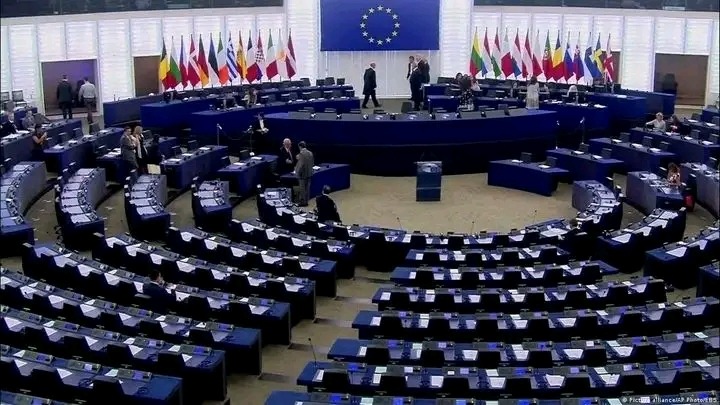
EU Parliament Resolution: Zambia Implications Reshape Political Debate
Summary
- The European Parliament passed a resolution concerning Zambia on September 17.
- This resolution is considered a key development in Zambia's ongoing post-election political debate.
- Some Zambian opposition figures interpret the vote as Europe turning against President Hakainde Hichilema.
- These opposition voices also believe the resolution indicates Zambia is becoming isolated and Western recognition of its government is diminishing.
The European Parliament's Stance on Zambia
Lawyers must remain vigilant to advise clients on navigating an environment where international diplomatic signals could translate into tangible operational impacts.
A recent European Parliament resolution concerning Zambia has emerged as a focal point in the country's ongoing political discourse. This formal expression of opinion by the European legislative body, the vote for which took place on September 17, has added a new dimension to the internal political arguments that have characterized Zambia's post-election period. It is being viewed domestically as the latest significant development in these discussions.
Parliamentary resolutions typically serve as a means for the European Union's elected representatives to articulate their views or concerns regarding specific situations in non-member states. While such resolutions are generally non-binding in a legal sense, they carry considerable symbolic weight and can signal the direction of diplomatic sentiment. This particular resolution, therefore, represents a notable moment in the evolving relationship between the EU and Zambia.
Domestic Political Interpretations
Within Zambia, the September 17 vote has elicited strong reactions, particularly from segments of the political opposition. These groups have swiftly interpreted the European Parliament's action as a definitive indication that Europe's stance towards the current Zambian leadership has shifted. Specifically, some opposition voices contend that the resolution confirms a turning point, suggesting that Europe has now adopted a position against President Hakainde Hichilema.
Furthermore, these opposition factions have extrapolated broader implications from the parliamentary vote. They assert that the resolution underscores a concerning trend towards Zambia's increasing international isolation. This perspective also includes the belief that the Western world's recognition of President Hichilema's government is diminishing, suggesting a potential erosion of international legitimacy or support for the current administration.
Broader Diplomatic Context and EU-Zambia Relations
The passage of a European Parliament resolution, especially one interpreted by domestic opposition as critical, inevitably casts a spotlight on the broader diplomatic relationship between the European Union and Zambia. Such actions, even if primarily symbolic, can influence the perception of a country's governance and human rights record among international partners and within multilateral forums. This dynamic is particularly relevant for Zambia EU relations, which encompass various areas from development aid to trade agreements.
While the specific content of the resolution is not detailed, its very existence and the date of its vote on September 17 underscore a moment of heightened scrutiny. The interpretations offered by Zambian opposition figures suggest that this event could be perceived as a re-evaluation of the relationship's trajectory, potentially impacting future engagements and the overall tenor of diplomatic exchanges between Brussels and Lusaka under President Hakainde Hichilema's tenure.
Implications for International Standing
The claims by some opposition voices regarding Zambia's increasing isolation and the diminishing Western recognition of President Hichilema's government highlight significant potential implications for the nation's international standing. In the global arena, a country's diplomatic reputation and the level of support it garners from key international blocs like the European Union can profoundly affect its ability to attract foreign investment, secure beneficial trade agreements, and participate effectively in global governance.
Such perceptions, particularly when amplified by domestic political narratives, can contribute to a complex diplomatic environment. The European Parliament resolution Zambia implications extend beyond mere political rhetoric, potentially influencing how other international actors view the country's stability and adherence to democratic principles. This could, in turn, affect Zambia's overall geopolitical positioning and its capacity to forge and maintain crucial international partnerships.
Legal and Business Considerations
For legal professionals advising clients with commercial interests in Zambia, the evolving political and diplomatic landscape, as influenced by events like the European Parliament resolution, warrants close monitoring. Shifts in international relations, particularly those involving significant economic partners such as the European Union, can often foreshadow future policy changes within the host country. These changes might manifest in areas affecting trade agreements, foreign investment regulations, or the broader regulatory environment for businesses operating in Zambia.
The perception of diminishing Western recognition or increasing international isolation, as articulated by the opposition following the September 17 vote, could signal a more cautious approach from international investors and partners. Therefore, understanding the nuances of Zambia political implications EU relations is crucial for anticipating potential shifts in the legal and economic framework. Lawyers must remain vigilant to advise clients on navigating an environment where international diplomatic signals could translate into tangible operational impacts.
Practical Implications
Lawyers advising clients with interests in Zambia should monitor the evolving political and diplomatic landscape following the EU Parliament's resolution, as shifts in international relations could foreshadow future policy changes affecting trade, investment, or regulatory environments.
Source
How does this affect you?
Get an AI analysis of this article grounded in your jurisdictions, practice areas, and any policy documents you've uploaded to Wansom.
Finish Reading the Full Story and the Expert Analysis.
Get the latest legal & regulatory intelligence in Zambia
Wansom is AI and can make mistakes.