
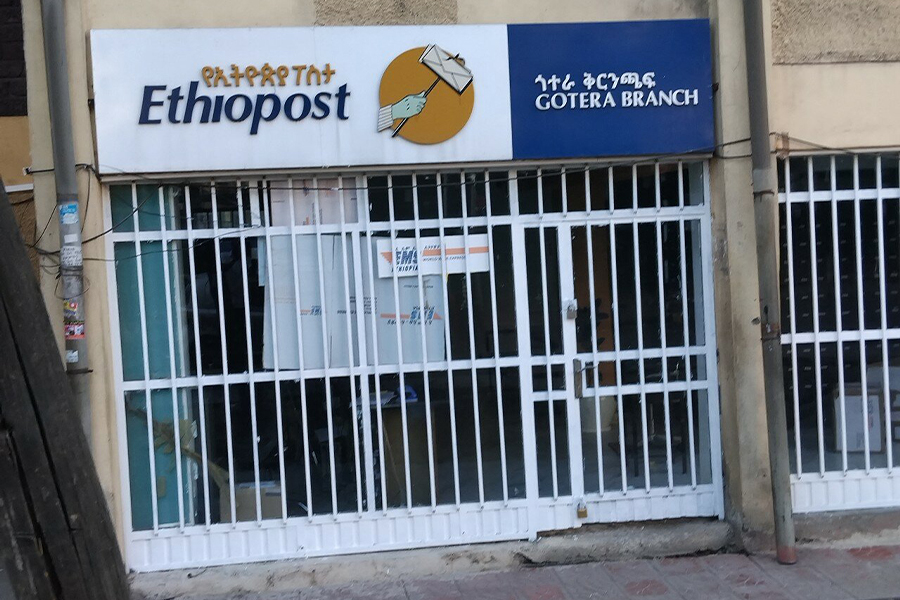
Ethiopia's National Bank: EthioPost Branches as Banking Agents
Summary
- EthioPost has significantly transformed by converting its branches into banking agents, enabling customers to deposit and withdraw cash, pay utility bills, and access accounts held at any commercial bank.
- In March 2026, EthioPost partnered with Ahadu Bank, with over 1,000 EthioPost branches serving as banking agents for Ahadu Bank.
- EthioPost's role in the financial sector has expanded significantly, moving beyond initial pilot projects.
- The conversion raises important questions about consumer protection laws and regulations in Ethiopia, with potential implications for regulatory frameworks governing financial services.
What Happened
EthioPost, a 132-year-old letter carrier, has significantly transformed by converting its branches into banking agents.
EthioPost, a 132-year-old letter carrier, has significantly transformed by converting its branches into banking agents. This move enables customers to deposit and withdraw cash, pay utility bills, and access accounts held at any commercial bank. EthioPost has been introducing financial and retail services since 1987. In March 2026, EthioPost partnered with Ahadu Bank to expand financial services nationwide, with EthioPost serving as an agent for Ahadu Bank through more than 1,000 branches across the country. EthioPost also launched digital financial services in 2024. This marks a significant expansion of EthioPost's role in the financial sector, moving beyond initial pilot phases.
Relevant Legal/Regulatory Context
The conversion of EthioPost branches into banking agents raises important questions about consumer protection laws and regulations in Ethiopia. As banks close their own branches, the expanded role of EthioPost as a banking agent may have significant implications for regulatory frameworks governing financial services. The National Bank of Ethiopia (NBE) will need to ensure that EthioPost's new role aligns with existing regulations and does not compromise consumer protection. Lawyers and compliance officers should closely monitor this development to understand its potential impact on the financial sector.
Why It Matters
The transformation of EthioPost into a banking agent network has far-reaching implications for Ethiopia's payment system, consumer protection, and financial inclusion. With its extensive branch network, EthioPost has become a significant banking agent in the country, providing customers with greater access to financial services. This development also highlights the need for regulatory frameworks to adapt to changing market dynamics and ensure that consumers are protected in this new landscape.
Practical Implications
Lawyers and compliance officers should watch for the implications of EthioPost's expanded role as a banking agent, potentially affecting consumer protection laws and regulations in Ethiopia.
Source
How does this affect you?
Get an AI analysis of this article grounded in your jurisdictions, practice areas, and any policy documents you've uploaded to Wansom.
Wansom is AI and can make mistakes.