
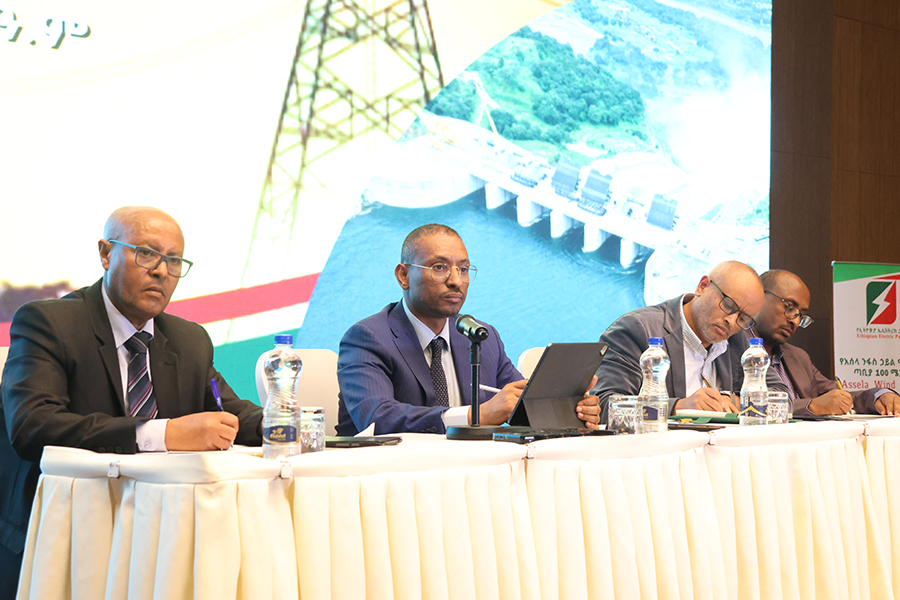
Ethiopia EEP: Curbs Crypto Mining Amid El Niño Power Cuts
Summary
- Ethiopian Electric Power (EEP) has decided to curtail electricity supply to data mining operations.
- This measure is a direct response to a drought, intensified by El Niño, which has reduced dam inflows by 20%.
- Water levels in Ethiopia's 21 dams have decreased by one-fifth, notably affecting the Grand Ethiopian Renaissance Dam (GERD) and Gilgel Gibe III.
- EEP, which generated 35,671 GWh in the year ending July, has subsequently lowered its generation target by 10%.
- The utility is prioritizing power for households, shifting the impact of the energy shortfall onto commercial data miners.
Ethiopian Utility Curbs Power for Crypto Miners Amid Drought
The state-owned utility has explicitly chosen to shield domestic consumers from the energy crisis, placing the burden of reduced supply squarely on the shoulders of data mining operations.
Ethiopian Electric Power (EEP), the nation's state-owned utility, has announced a significant reduction in electricity supply specifically targeting data mining operations. This strategic decision comes as a direct response to a severe energy shortfall, which the company attributes to the ongoing effects of an El Niño-induced drought. EEP has explicitly stated that the responsibility for managing this reduced power availability will fall upon commercial data miners, ensuring that residential consumers are shielded from the impact.
The drought has led to a substantial decrease in water levels across Ethiopia's extensive hydropower infrastructure. Currently, one-fifth of the water volume that typically fills the country's 21 dams is missing. EEP reports that El Niño conditions are responsible for a 20% cut in dam inflows, with the Grand Ethiopian Renaissance Dam (GERD) and Gilgel Gibe III being among the most visibly affected facilities.
This operational adjustment follows a period where EEP generated a total of 35,671 gigawatt-hours (GWh) in the fiscal year concluding in July. In light of the current environmental challenges and the resulting impact on hydropower capacity, the state power company has now revised its overall generation target downwards by 10%. This reduction underscores the severity of the power supply constraints facing the country.
Hydropower Sector Under Strain
Ethiopia's energy sector, which relies heavily on hydropower, is currently grappling with considerable strain due to adverse climatic conditions. The widespread drought, exacerbated by the El Niño phenomenon, has directly impacted the nation's network of 21 dams. These critical water reservoirs are experiencing a significant deficit, with their collective water volume reduced by a fifth compared to expected levels, posing a substantial power supply risk Ethiopia faces.
The diminished water inflows, which Ethiopian Electric Power explicitly attributes to El Niño, represent a 20% drop, directly affecting the operational capacity of key power generation facilities. Among these, the Grand Ethiopian Renaissance Dam (GERD) and the Gilgel Gibe III dam have shown the most pronounced signs of reduced water availability. This environmental challenge directly threatens the stability of the national grid and the reliability of power supply across various sectors, highlighting the GERD power generation impact from climate events.
In the year that concluded in July, Ethiopian Electric Power successfully generated 35,671 GWh of electricity. However, the ongoing hydrological stress has necessitated a strategic recalibration of future output. Consequently, the utility has formally lowered its projected generation target by 10%, signaling a proactive measure to manage the constrained resources and ensure grid stability amidst the prevailing drought conditions.
Policy Signals for Energy-Intensive Industries
The decision by Ethiopian Electric Power to specifically curtail power for data mining operations highlights a clear policy direction: the prioritization of household electricity supply over energy-intensive commercial activities during periods of scarcity. This move implicitly establishes a hierarchy of power consumers, placing crypto miners at a higher risk of supply interruptions when the national grid faces challenges. Such a stance could signal future Ethiopian crypto mining regulations or operational guidelines for energy-intensive industries in Ethiopia.
This development underscores the inherent power supply risk in Ethiopia, particularly for businesses with substantial electricity demands. The explicit blame placed on El Niño for the 20% reduction in dam inflows and the subsequent 10% cut in EEP's generation target demonstrates how environmental factors can directly translate into operational risks for commercial entities. It also brings into focus the broader Ethiopia energy policy crypto landscape, suggesting that while crypto mining may be permitted, its access to stable power is not guaranteed.
The impact on major infrastructure like the Grand Ethiopian Renaissance Dam (GERD) and Gilgel Gibe III, which are visibly affected by the one-fifth reduction in water levels across 21 dams, illustrates the systemic nature of the challenge. This situation could prompt further discussions on Ethiopian crypto mining regulations, potentially leading to more stringent requirements or even limitations on energy consumption for such operations, especially as the country navigates climate-induced energy fluctuations.
Operational Risks for Crypto Mining
For energy-intensive businesses, particularly those engaged in cryptocurrency mining, this directive from Ethiopian Electric Power introduces significant operational uncertainty. The state utility's explicit choice to redirect power from data miners to households during a drought-induced crisis underscores the precarious position of such operations within the national energy framework. This scenario exemplifies the tangible power supply risk Ethiopia presents to industries heavily reliant on consistent and affordable electricity, directly impacting Ethiopian Electric Power crypto operations.
The direct link between El Niño conditions, a 20% reduction in dam inflows, and the subsequent 10% cut in EEP's generation target from the 35,671 GWh produced in the year ending July, illustrates the vulnerability of the power grid to environmental factors. This situation, impacting major facilities like the Grand Ethiopian Renaissance Dam (GERD) and Gilgel Gibe III, where water levels in 21 dams have collectively dropped by one-fifth, serves as a stark reminder of the challenges in maintaining stable power generation and the El Niño power cuts Ethiopia is experiencing.
This development could prompt a re-evaluation of investment strategies for crypto mining in the region. While specific Ethiopian crypto mining regulations regarding energy consumption might not be explicitly detailed, EEP's action sets a precedent for how energy resources will be allocated during periods of scarcity. Businesses operating in this sector must now contend with the possibility of sudden and significant curtailments, making reliable power access a critical and potentially unpredictable factor in their operational viability.
Practical Implications
This decision by a state-owned utility highlights the regulatory and operational risks for energy-intensive businesses, particularly crypto miners, operating in Ethiopia. Lawyers should advise clients on potential power supply interruptions and review force majeure clauses in energy contracts, as well as monitor for emerging sector-specific energy policies or regulations.
Source
How does this affect you?
Get an AI analysis of this article grounded in your jurisdictions, practice areas, and any policy documents you've uploaded to Wansom.
Finish Reading the Full Story and the Expert Analysis.
Wansom is AI and can make mistakes.