
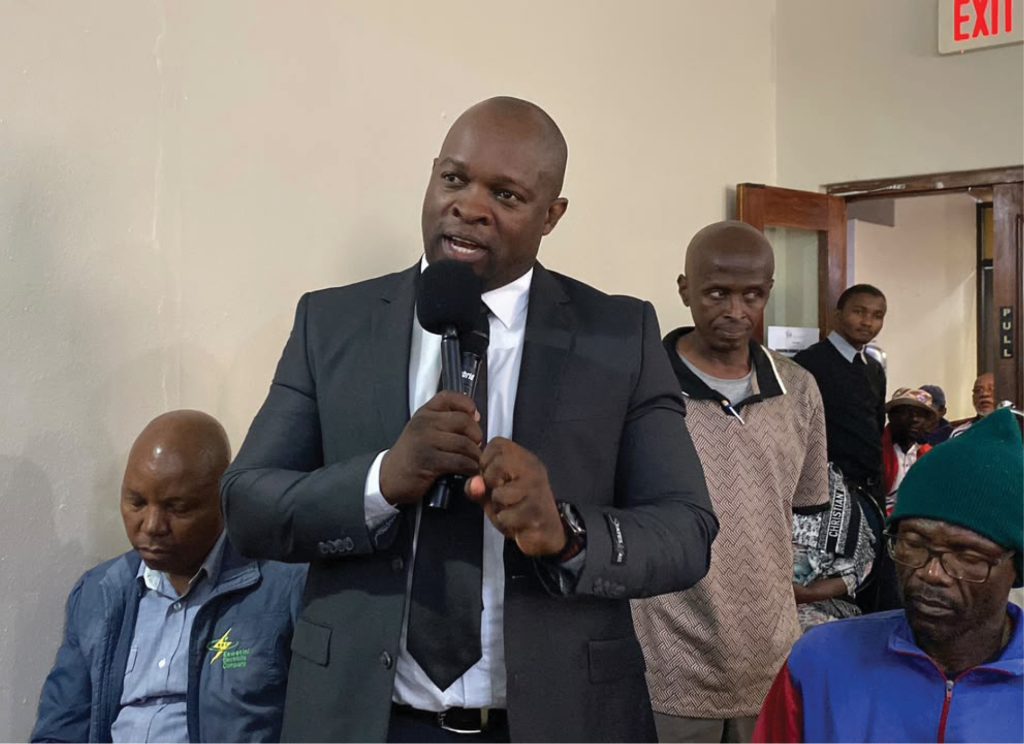
Eswatini Workers Reject Power Hike, Threaten Protest at ESERA Hearing
Civil society representatives and trade union leaders in Eswatini's Manzini region yesterday rejected proposed electricity tariff increases during an Eswatini Energy Regulatory Authority (ESERA) hearing. The opposition stems from concerns that households, already grappling with low wages, high unemployment, and increased bus fares, cannot absorb two consecutive years of utility price hikes. This public rejection, voiced during a formal regulatory consultation, signals significant public discontent with the economic pressures facing ordinary citizens and the potential for widespread impact if the proposed increases are implemented.
This development carries substantial legal significance for practitioners, businesses, and the public in Eswatini. For businesses, particularly those with high energy consumption, the final decision on electricity tariffs will directly influence operational costs, budgeting, and overall competitiveness. For the public, the outcome will impact household budgets and quality of life, potentially fueling further social unrest or calls for government intervention. Legal professionals advising corporate clients or public interest groups will need to understand the regulatory process and the avenues for challenging or influencing such decisions, especially given the strong public sentiment expressed.
The legal context for this matter is primarily governed by the Eswatini Energy Regulatory Authority (ESERA) Act, or similar enabling legislation, which empowers ESERA to regulate the energy sector, including setting tariffs. The hearing itself is a crucial part of ESERA's statutory mandate for public consultation, ensuring transparency and allowing stakeholders to present their views before a final determination is made. While the specific statutes governing tariff setting would detail the criteria ESERA must consider (e.g., cost recovery, investment needs, consumer affordability), the current stage indicates that a final decision has not yet been reached. Key parties involved include ESERA as the regulator, and the Swaziland National Association of [likely 'Workers' or similar, as per the excerpt] alongside other civil society representatives and trade union leaders as the opposing stakeholders.
Attorneys advising clients in Eswatini should closely monitor ESERA's subsequent announcements and final decision regarding the proposed electricity tariff increases. Businesses should assess the potential impact of various tariff scenarios on their financial projections and operational strategies. Furthermore, legal professionals should be prepared to advise on potential administrative law challenges to ESERA's decision, should it be deemed arbitrary or procedurally flawed, or to guide clients through further engagement with regulatory bodies. The strong public opposition also suggests a heightened risk of industrial action or public protests, which could have broader implications for business continuity and labour relations. The outcome of this specific matter is not yet reported, making ongoing vigilance essential for all affected parties.
How does this affect you?
Get an AI analysis of this article grounded in your jurisdictions, practice areas, and any policy documents you've uploaded to Wansom.
Finish Reading the Full Story and the Expert Analysis.
Get the latest legal & regulatory intelligence in Eswatini
Wansom is AI and can make mistakes.