
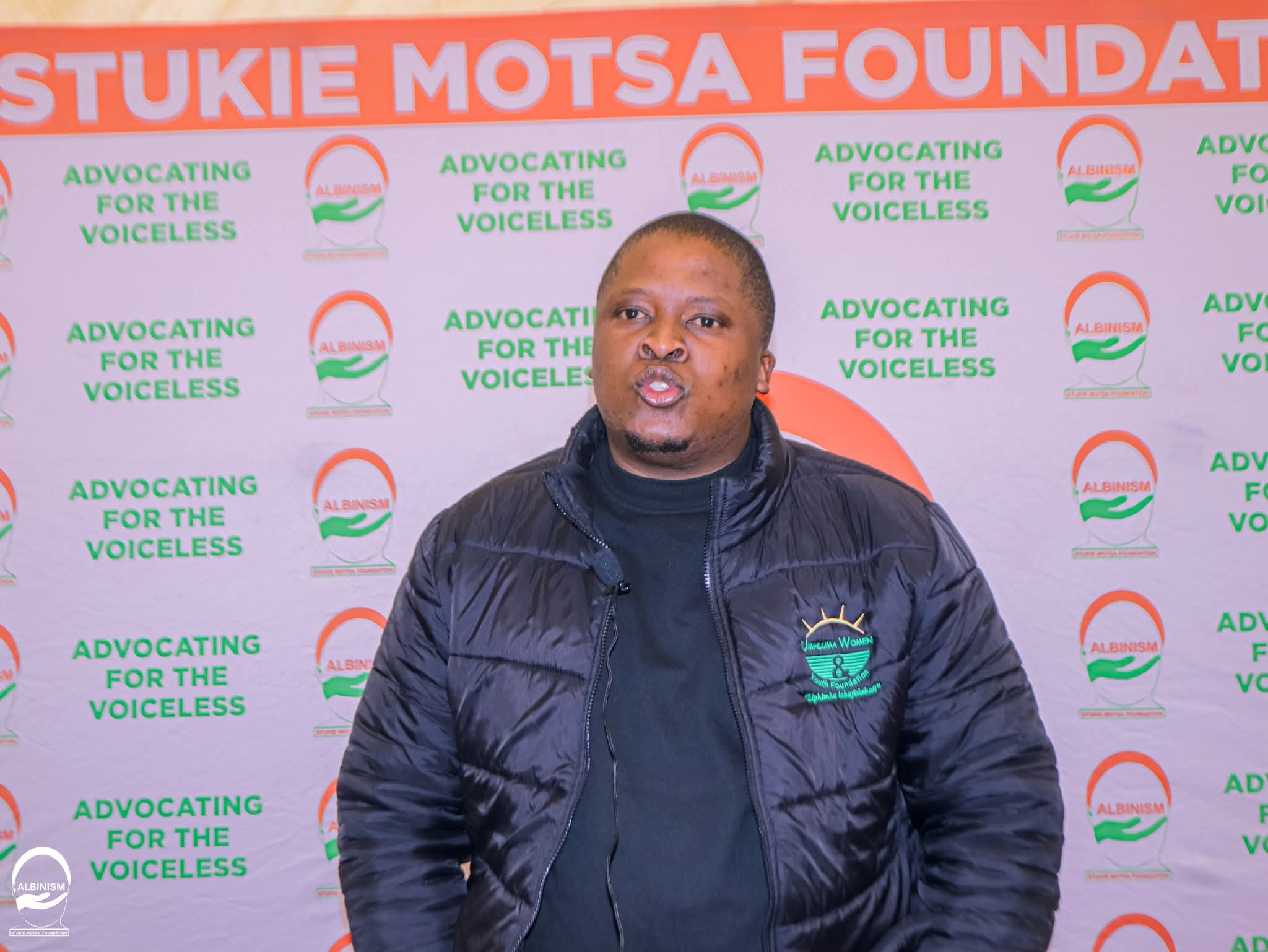
Umhluma Foundation: Boosts Eswatini Widows' Rights Protections
Summary
- Lungelo Zulu, Director of the Umhluma Women and Youth Foundation, led recent sessions in Eswatini.
- These sessions focused on gender equity and the rights of women, specifically addressing protections for widows.
- The initiative highlights ongoing efforts to address systemic inequalities and advocate for vulnerable populations in Eswatini.
- The discussions are relevant to the complex interplay of statutory and customary law affecting women's inheritance and property rights, with a recent High Court ruling impacting customary marriages.
- The foundation's work contributes to the discourse on strengthening Eswatini widows' rights protections and advancing gender equity law.
Advocacy for Women's Rights in Eswatini
The sustained focus on Eswatini widows' rights protections, as championed by the Umhluma Women and Youth Foundation, underscores a broader national commitment to ensuring justice and equality for all citizens.
Lungelo Zulu, who serves as the Director of the Umhluma Women and Youth Foundation, recently spearheaded a series of engagements aimed at fostering greater understanding and protection of fundamental rights within Eswatini. These sessions were specifically designed to delve into critical aspects of gender equity and broader women's rights, with a particular emphasis on the protections afforded to widows.
This initiative by the Umhluma Women and Youth Foundation signals a continued focus on advocating for vulnerable populations and addressing systemic inequalities. The foundation, under Ms. Zulu's leadership, plays a crucial role in bringing these vital discussions to the forefront, highlighting the ongoing need for robust legal and social frameworks to support women across the nation.
Navigating Eswatini's Legal Landscape
The discussions led by Ms. Zulu are particularly pertinent within the broader legal landscape of Eswatini, where the interplay between statutory law and customary law often presents complex challenges for women, especially in matters of inheritance and property rights. Eswatini customary law, while deeply embedded in the nation's cultural fabric, has historically presented hurdles to Eswatini women's legal rights, particularly for widows seeking to secure their rightful inheritance or control over marital assets. However, a significant development occurred in July 2026 when the High Court ruled that marriages conducted under Eswatini Law and Custom are no longer automatically considered out of community of property, a decision that marks a progressive step for women's property rights.
Efforts to advance Eswatini gender equity law often confront these traditional structures, making advocacy and awareness campaigns crucial. The work of organizations like the Umhluma Women and Youth Foundation, under the leadership of Lungelo Zulu, plays a vital role in shedding light on these disparities. By leading sessions that specifically address Eswatini inheritance law for widows, they contribute to a growing discourse aimed at strengthening Eswatini widows' rights protections. This ongoing dialogue is essential for informing potential legislative reforms or for ensuring the more robust application of existing legal frameworks designed to safeguard women's interests.
Implications for Legal Practice
For legal professionals in Eswatini, the activities of the Umhluma Women and Youth Foundation, spearheaded by Lungelo Zulu, warrant close attention. These sessions serve as an important indicator of evolving societal priorities and a potential precursor to increased scrutiny or reform in areas concerning Eswatini women's legal rights and Eswatini gender equity law. Lawyers advising clients on family law, property disputes, or estate planning should be aware of these discussions, as they could influence future judicial interpretations or legislative amendments impacting inheritance and property rights for women, particularly widows.
The sustained focus on Eswatini widows' rights protections, as championed by the Umhluma Women and Youth Foundation, underscores a broader national commitment to ensuring justice and equality for all citizens. Such initiatives are instrumental in fostering a legal environment where the rights of women are not only recognized but actively upheld, moving towards a more equitable society in Eswatini.
Practical Implications
Lawyers in Eswatini should monitor discussions led by the Umhluma Foundation, as they may indicate a growing focus on women's and widows' rights, potentially leading to legislative changes or increased enforcement of existing protections. This could impact client advisory on inheritance, property, and family law matters.
Source
How does this affect you?
Get an AI analysis of this article grounded in your jurisdictions, practice areas, and any policy documents you've uploaded to Wansom.
Finish Reading the Full Story and the Expert Analysis.
Wansom is AI and can make mistakes.