
Eswatini Tobacco Bill: Farmers Seek Representation on Control Board
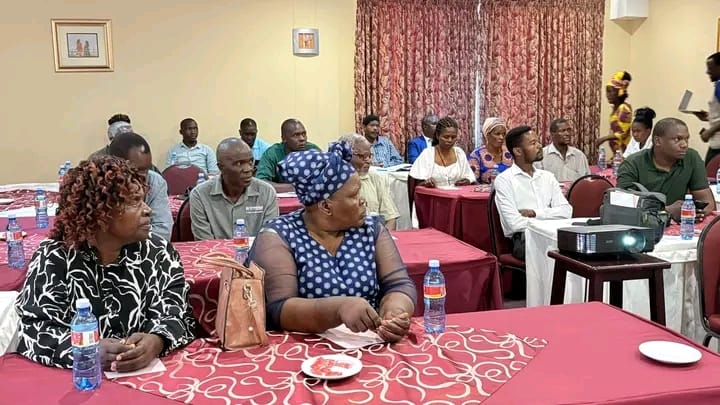
In Eswatini, during consultations for the proposed Tobacco and Related Products Bill of 2026, tobacco farmer Salebona Masuku of Shiselweni challenged the exclusion of farmers from the prospective tobacco control board, asserting that their representation is crucial for decisions impacting their livelihoods. This concern was raised in Ezulwini, highlighting a significant debate over stakeholder inclusion in the governance of a sector directly affecting agricultural communities.
This development is legally significant for several reasons, particularly concerning administrative law and principles of inclusive governance. It underscores the importance of ensuring broad stakeholder engagement in the legislative and regulatory process, especially in sectors with significant economic and social impact on specific communities. For legal practitioners, it signals potential challenges to the legitimacy or effectiveness of a control board if key affected parties, such as farmers whose livelihoods depend on the industry, are not adequately represented. Such exclusion could lead to future legal disputes over regulatory decisions made by the board, potentially on grounds of procedural fairness or lack of consideration for all relevant interests. It also highlights the ongoing tension between public health objectives and the economic interests of agricultural producers, a common theme in tobacco control legislation globally. The outcome of this specific submission is not reported, as it is part of an ongoing consultation process, meaning the final composition of the board is yet to be determined.
The legal context here revolves around administrative law principles concerning the composition and powers of statutory bodies, as well as the legislative process for the Tobacco and Related Products Bill of 2026 in Eswatini. The establishment of a "tobacco control board" implies a new regulatory authority, whose structure, mandate, and membership would be defined by the Bill. Eswatini's legal framework typically requires that such boards operate within their statutory mandate and often includes provisions for stakeholder representation to ensure balanced decision-making and prevent undue influence or neglect of specific sector interests. The consultations are a critical part of ensuring that the Bill, and subsequently the board, are robust, legitimate, and consider diverse perspectives before enactment.
The primary parties involved are tobacco farmer Salebona Masuku, representing farmers from Shiselweni, and the unspecified government body or ministry conducting the consultations for the Tobacco and Related Products Bill of 2026. The proposed tobacco control board itself is a key entity whose composition is currently under discussion, and its future members will be critical stakeholders. The broader community of tobacco farmers in Eswatini are also key parties, as their economic interests and livelihoods are directly at stake in the formation and operation of this board.
Attorneys advising agricultural associations or individual farmers in Eswatini should actively engage with the ongoing legislative process for the Tobacco and Related Products Bill of 2026, particularly regarding the structure and membership of the proposed control board. It is crucial to advocate for mechanisms that ensure fair and adequate representation for affected stakeholders to safeguard their clients' interests. For practitioners advising government bodies or public health organizations, this submission highlights the need to carefully consider the composition of regulatory boards to ensure broad legitimacy, minimize future challenges based on lack of representation, and foster effective implementation of public health policies. Businesses throughout the tobacco value chain should monitor the board's final structure, as its decisions will directly impact their operations and compliance requirements.
How does this affect you?
Get an AI analysis of this article grounded in your jurisdictions, practice areas, and any policy documents you've uploaded to Wansom.
Finish Reading the Full Story and the Expert Analysis.
Get the latest legal & regulatory intelligence in Eswatini
Wansom is AI and can make mistakes.