
Eswatini: Farmers Seek Representation on Tobacco Bill 2026 Board
Summary
- Tobacco farmer Salebona Masuku from Shiselweni has challenged the exclusion of farmers from Eswatini's proposed tobacco control board.
- Masuku argued that farmer interests must be represented in decisions affecting their livelihoods.
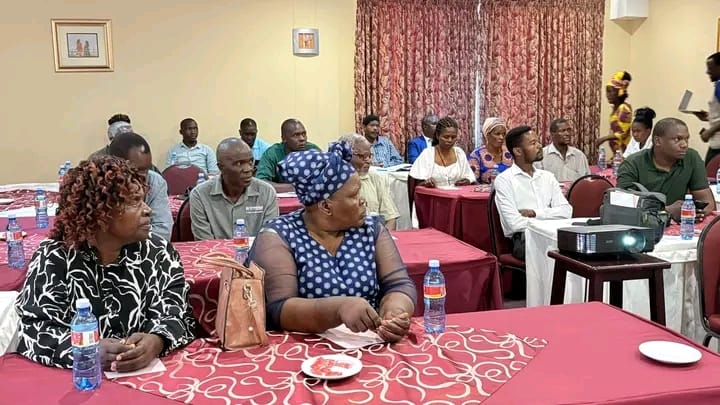
- The concern was raised during public consultations for the Tobacco and Related Products Bill of 2026.
- The proposed legislation aims to establish a new regulatory body for the Eswatini tobacco sector.
- Farmers are advocating for direct representation on the board to ensure their perspectives are considered.
Farmer Concerns Surface During Consultations
For lawyers advising clients in the Eswatini tobacco sector, this development underscores the necessity of closely monitoring the final composition of the proposed Tobacco Control Board.
The legislative landscape for Eswatini's tobacco sector is currently undergoing significant review, with public consultations actively shaping the proposed Tobacco and Related Products Bill of 2026. During these crucial discussions, a notable concern has been voiced regarding the composition of a key regulatory body envisioned by the new legislation. This concern centers on the perceived exclusion of a vital stakeholder group from decision-making processes that could directly impact their economic well-being.
Salebona Masuku, a prominent tobacco farmer hailing from the Shiselweni region, has directly challenged the current framework of the proposed Eswatini tobacco control board. His intervention during the consultations highlighted a critical gap: the absence of farmer representation on this forthcoming body. Masuku's argument is rooted in the fundamental principle that individuals whose livelihoods are intrinsically tied to the tobacco industry must have a voice in the decisions that govern it.
He specifically questioned the rationale behind omitting farmers from the proposed board, underscoring the potential for regulatory decisions made without their input to inadvertently harm their operations and financial stability. The ongoing Eswatini public consultations for the Bill of 2026 provide a platform for such concerns to be raised, aiming to ensure comprehensive consideration of all affected parties.
The Proposed Tobacco Control Board and its Mandate
The Tobacco and Related Products Bill of 2026 Eswatini aims to establish a dedicated control board, a body intended to oversee and regulate various aspects of the tobacco industry within the kingdom. While the precise mandate and powers of this board are still being finalized through the legislative process, its creation signifies a significant shift in the regulatory environment for tobacco. The board is expected to play a pivotal role in shaping policies, enforcing standards, and potentially influencing market dynamics for tobacco products.
The core of the issue, as articulated by Salebona Masuku, lies in the composition of this powerful new entity. Without direct Eswatini Tobacco Bill 2026 farmer representation, there is a risk that the board's decisions may not adequately reflect the practical realities, challenges, and interests of those who cultivate the crop. Farmer interests in tobacco legislation Eswatini are multifaceted, encompassing cultivation practices, market access, pricing, and compliance with new regulations.
Ensuring that the proposed Eswatini tobacco control board includes members directly representing the farming community is seen by some as essential for balanced and effective governance. The current phase of public input is therefore critical for stakeholders to advocate for structures that promote equitable representation and prevent unintended consequences for the agricultural base of the tobacco sector.
Why Farmer Representation is Crucial for the Sector
The importance of robust Eswatini Tobacco Bill 2026 farmer representation cannot be overstated, particularly when considering the potential impact of new legislation on agricultural livelihoods. Decisions made by a regulatory body, such as the proposed Eswatini tobacco control board, can have far-reaching economic consequences for individual farmers and the broader rural economy. These decisions might pertain to cultivation quotas, permissible farming methods, product standards, or even marketing restrictions, all of which directly affect a farmer's ability to earn a living.
Salebona Masuku's challenge highlights the fundamental need for those directly affected by policy to have a seat at the table where those policies are formulated and implemented. Without this direct input, there is a risk that regulations, however well-intentioned, could inadvertently create burdens or overlook specific needs of the farming community, potentially jeopardizing their sustainability. The inclusion of farmer perspectives ensures that legislative and regulatory frameworks are practical, implementable, and sensitive to the unique challenges faced by tobacco growers.
For lawyers advising clients in the Eswatini tobacco sector, this development underscores the necessity of closely monitoring the final composition of the proposed Tobacco Control Board. It is imperative to ensure that clients' interests are adequately represented throughout the ongoing legislative consultation process for the Tobacco and Related Products Bill of 2026. Active engagement during these Eswatini public consultations is vital to advocate for a balanced board that genuinely incorporates farmer interests in tobacco legislation Eswatini, thereby fostering a more equitable and sustainable regulatory environment for all stakeholders.
Practical Implications
Lawyers advising clients in the Eswatini tobacco sector should closely monitor the final composition of the proposed Tobacco Control Board and ensure their clients' interests are adequately represented during the ongoing legislative consultation process for the Tobacco and Related Products Bill of 2026.
Source
How does this affect you?
Get an AI analysis of this article grounded in your jurisdictions, practice areas, and any policy documents you've uploaded to Wansom.
Finish Reading the Full Story and the Expert Analysis.
Get the latest legal & regulatory intelligence in Eswatini
Wansom is AI and can make mistakes.