
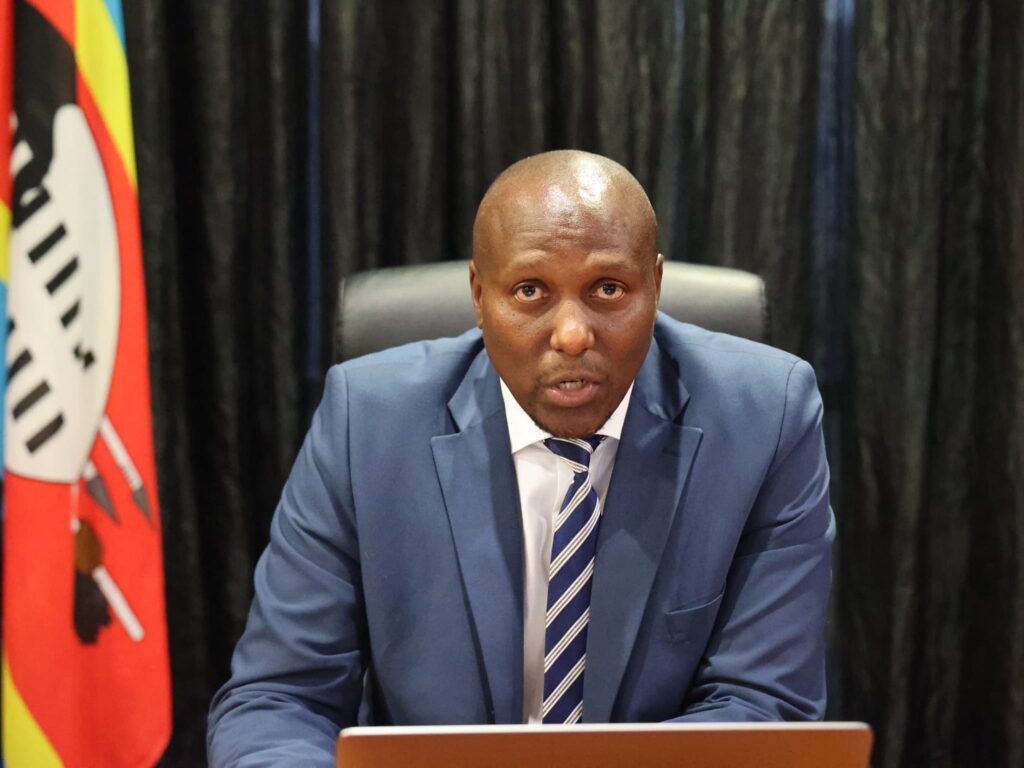
Eswatini PM Russell Dlamini: Calls for Constructive Parliament Politics
Summary
- Prime Minister Russell Dlamini urged Eswatini's Parliament to adopt a culture of constructive engagement and national development.
- He called for an end to parliamentary conduct characterized by fighting and hurling insults.
- Dlamini's remarks were made yesterday during the adoption of responses to motion No.7 of 2026.
- Motion No.7 of 2026 had questioned the Prime Minister's alleged disruptive leadership style in Parliament.
- The statement signals a focus on improving parliamentary decorum and fostering political stability in Eswatini.
A Call for Constructive Engagement
The Prime Minister's intervention underscores a desire to steer parliamentary discourse towards more productive outcomes, directly addressing concerns about the tenor of political debate.
Prime Minister Russell Dlamini recently urged Eswatini's Parliament to foster an environment of constructive engagement and national development, moving away from confrontational exchanges. Speaking yesterday, Dlamini emphasized the importance of cultivating a culture focused on building the country, rather than one marked by internal strife and personal attacks. His remarks underscore a clear directive for Eswatini PM Parliament constructive politics, aiming to elevate the standard of legislative discourse.
His intervention occurred during the parliamentary session dedicated to adopting responses to motion No.7 of 2026. This specific motion had previously raised questions regarding the Prime Minister's own alleged disruptive leadership style within the legislative body. The Prime Minister's intervention underscores a desire to steer parliamentary discourse towards more productive outcomes, directly addressing concerns about the tenor of political debate. This public statement from Russell Dlamini regarding Parliament leadership signals a proactive approach to shaping the legislative environment.
Reinforcing Parliamentary Conduct and Accountability
The Prime Minister's address highlights a critical focus on Eswatini parliamentary conduct and the broader principles of government accountability. By advocating for a shift from "fighting and hurling insults" to "building the country and being constructive," Dlamini is implicitly setting expectations for the decorum and effectiveness of legislative proceedings. Such a call, particularly when made in response to a motion questioning his own leadership, signals a commitment to improving the operational dynamics of Parliament.
Motions, like the aforementioned No.7 of 2026, serve as a vital mechanism for parliamentary oversight, allowing members to scrutinize the executive and hold leaders accountable. The adoption of responses to such a motion provides a formal opportunity for the government to address concerns raised by the legislature, reinforcing the checks and balances inherent in the system. This public statement from the head of government underscores the importance of maintaining a respectful and productive legislative environment for the effective functioning of the state, thereby strengthening Eswatini government accountability.
Implications for Eswatini's Political Stability
The Prime Minister's emphasis on constructive politics carries significant implications for Eswatini's political stability and its legislative environment. A Parliament characterized by cooperation and mutual respect, rather than conflict, is generally perceived as more effective in enacting policy and addressing national challenges. Dlamini's public call for a more harmonious legislative body suggests an awareness of the potential for internal divisions to impede governance and public trust.
For external observers and potential investors, such statements can serve as an indicator of the government's commitment to a stable and predictable political landscape. The focus on improving parliamentary conduct, particularly from the highest office, suggests a proactive approach to fostering an environment conducive to effective legislative work and, by extension, national development. This initiative, led by Prime Minister Russell Dlamini, aims to ensure that Parliament leadership prioritizes consensus-building and national progress over partisan disputes, thereby strengthening the overall framework of Eswatini's governance and contributing positively to Eswatini political stability implications.
Practical Implications
While not directly actionable, this statement from the Eswatini Prime Minister signals a focus on parliamentary conduct and political stability. Lawyers advising clients on regulatory compliance or investment in Eswatini should monitor such developments as indicators of the legislative environment and potential governance shifts.
Source
How does this affect you?
Get an AI analysis of this article grounded in your jurisdictions, practice areas, and any policy documents you've uploaded to Wansom.
Wansom is AI and can make mistakes.