
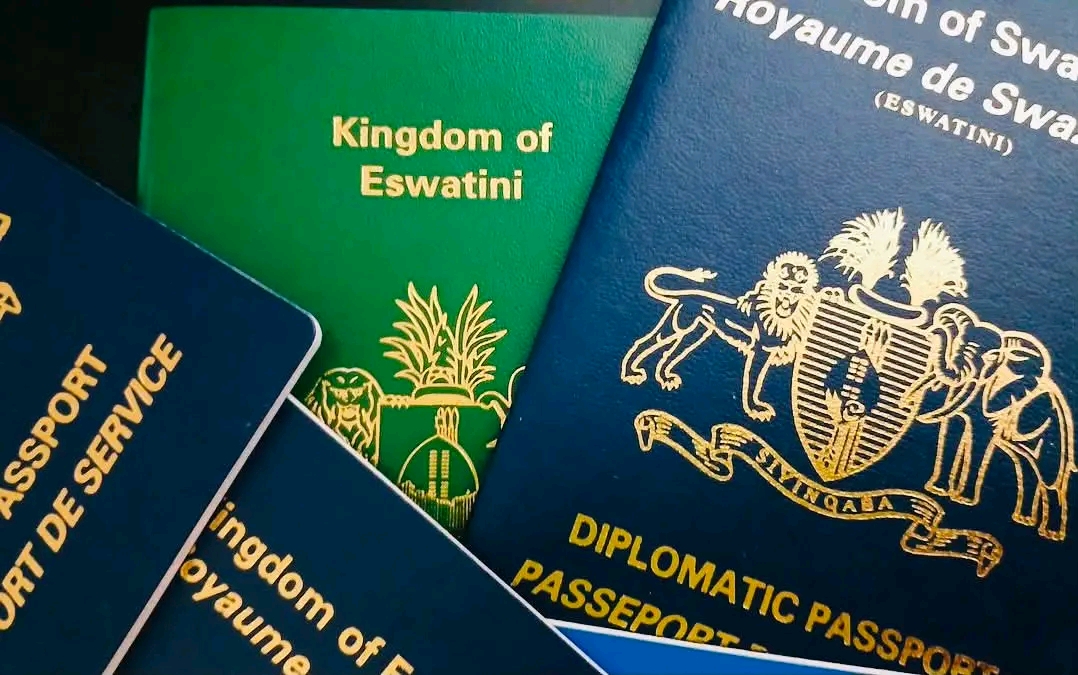
Eswatini Passport Ranks 8th in Africa, Grants Access to 78 Destinations
The Eswatini passport has been ranked as the eighth strongest in Africa, granting its holders visa-free or visa-on-arrival access to 78 destinations globally.
This ranking signifies a notable improvement in Eswatini's international standing regarding travel freedom for its citizens. While seemingly a matter of convenience, passport strength carries significant legal, economic, and diplomatic implications. For Eswatini citizens, enhanced mobility facilitates international business, educational pursuits, and tourism by reducing the bureaucratic hurdles and costs associated with visa applications. Economically, a stronger passport can indirectly support foreign direct investment and international trade by easing the movement of business professionals and fostering greater global connectivity. Diplomatically, it reflects the strength of Eswatini's bilateral and multilateral relations, indicating a level of trust and cooperation with numerous countries worldwide.
The legal context for passport strength is primarily found in international law and diplomatic agreements. It is the cumulative result of numerous bilateral visa waiver agreements, multilateral treaties, and reciprocal visa policies negotiated between Eswatini and other sovereign states. These agreements are typically governed by principles of international law and are often enshrined in memoranda of understanding or formal treaties. Domestically, the issuance and regulation of Eswatini passports fall under national immigration and citizenship legislation, such as the Immigration Act or Citizenship Act, which define eligibility criteria and the legal framework for travel documents. The ranking itself is usually compiled by independent global indices that assess the travel freedom offered by passports based on publicly available visa information.
Key parties involved include the Government of Eswatini, particularly its Ministry of Foreign Affairs and International Cooperation and immigration authorities, which are responsible for negotiating and maintaining visa agreements. The various countries with which Eswatini has established visa-free or visa-on-arrival arrangements are also central to this ranking. For legal practitioners, this development is relevant for clients involved in international business, immigration, or citizenship planning. Attorneys advising businesses should note that easier travel for Eswatini nationals can streamline international operations and talent mobility. Furthermore, legal professionals should monitor changes in Eswatini's diplomatic relations and visa policies, as these directly impact the practical utility of the passport and, consequently, the ease of international engagement for individuals and corporations alike.
How does this affect you?
Get an AI analysis of this article grounded in your jurisdictions, practice areas, and any policy documents you've uploaded to Wansom.
Finish Reading the Full Story and the Expert Analysis.
Get the latest legal & regulatory intelligence in Eswatini
Wansom is AI and can make mistakes.