
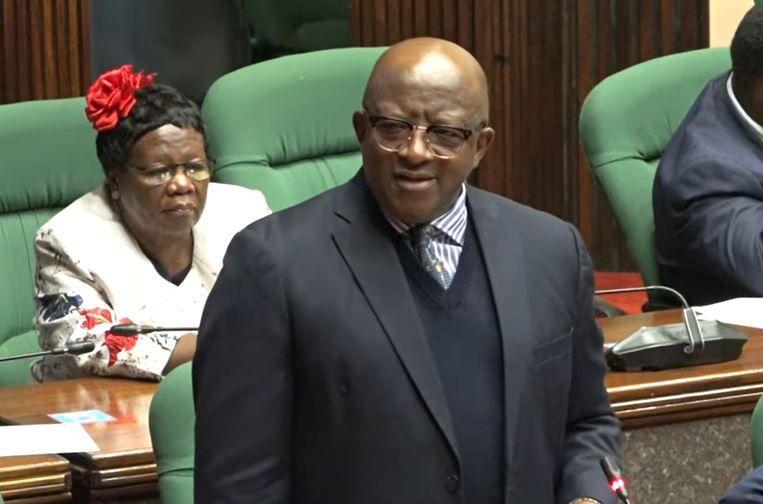
Eswatini Parliament: Passes Eswatini Health Fund Levies Motion
Summary
- Eswatini's Members of Parliament have passed a motion to establish a fund for collecting levies to combat serious diseases.
- The motion was introduced by Lobamba Lomdzala MP Marwick Khumalo and seconded by Somntongo MP Sandile Nxumalo.
- The initiative includes directives or provisions concerning the Minister for Finance, currently Neal Rijkenberg, regarding the fund's establishment.
- This parliamentary action is a precursor to potential new legislation that would define and implement health fund levies.
- The proposed levies could introduce new financial obligations for businesses and individuals in Eswatini.
Eswatini Parliament Advances Health Fund Motion
Lawyers and compliance officers in Eswatini should closely monitor the legislative progress of this motion.
Members of Parliament in Eswatini have successfully passed a motion calling for the establishment of a dedicated fund. This new financial mechanism is intended to collect levies, which will then be channeled directly towards efforts to combat serious diseases across the nation. The legislative action marks a significant step in the country's approach to public health funding and disease management.
The initiative, known as the Eswatini health fund levies motion, was formally introduced by Lobamba Lomdzala MP Marwick Khumalo. His proposal received crucial support, being seconded by Somntongo MP Sandile Nxumalo, indicating a degree of cross-constituency consensus on the matter. The motion also included provisions or directives concerning the Minister for Finance, though the specific details regarding their role or responsibilities within the motion were not fully detailed in the immediate reporting.
This parliamentary endorsement signals a clear intent to create a sustainable funding stream specifically earmarked for health crises. The proposed Eswatini Parliament health fund aims to centralize resources, ensuring a more coordinated and robust response to the challenges posed by prevalent and serious illnesses, potentially alleviating pressure on existing healthcare budgets.
Legislative Context and Next Steps
The passage of this motion by Eswatini's Members of Parliament represents a foundational legislative action. In parliamentary procedure, a motion is a formal proposal put to a legislative body for discussion and decision. While its approval signifies the legislature's support for the underlying principle and direction, it is typically a precursor to the drafting and enactment of specific legislation, such as a bill, that would formally establish the fund and define the Eswatini disease fund levies.
This development underscores the legislative body's commitment to addressing public health concerns through structured financial mechanisms. The involvement of the Eswatini finance minister health fund in the motion suggests that the executive branch, particularly the Ministry of Finance, will play a critical role in the subsequent stages of implementing this initiative, from designing the levy collection framework to managing the fund itself. The current Minister for Finance is Neal Rijkenberg, who was reappointed in November 2023. The exact nature of these levies—whether they will be broad-based or targeted—will likely be determined as the legislative process progresses.
For the motion to translate into actionable policy, further legislative and administrative steps are required. These would typically include detailed policy formulation, legal drafting, and potentially public consultations to refine the scope and implementation of the new health taxes. The successful passage of the motion, however, provides a strong mandate for these subsequent actions.
Implications of New Health Taxes
The potential introduction of Eswatini new health taxes, as envisioned by the Eswatini health fund levies motion, carries significant implications for various sectors. Businesses operating within the country, as well as individual citizens, could face new financial obligations in the form of these levies. The precise structure and rates of these contributions will be critical in determining their overall economic impact and administrative burden.
Should the motion lead to the enactment of new legislation, it would necessitate adjustments to financial planning and compliance frameworks for many entities. The establishment of a dedicated Eswatini disease fund levies system underscores a proactive governmental approach to securing resources for public health, moving beyond traditional budget allocations. This could lead to a more stable and predictable funding environment for health initiatives, particularly those focused on serious diseases.
Lawyers and compliance officers in Eswatini should closely monitor the legislative progress of this motion. Its enactment could introduce new levies impacting businesses and individuals, requiring adjustments to financial planning and compliance frameworks. Understanding the scope and application of these potential new health taxes will be crucial for ensuring adherence to future regulations and advising clients on their obligations.
Practical Implications
Lawyers and compliance officers in Eswatini should monitor the legislative progress of this motion, as its enactment could introduce new levies impacting businesses and individuals, requiring adjustments to financial planning and compliance frameworks.
Source
How does this affect you?
Get an AI analysis of this article grounded in your jurisdictions, practice areas, and any policy documents you've uploaded to Wansom.
Wansom is AI and can make mistakes.