
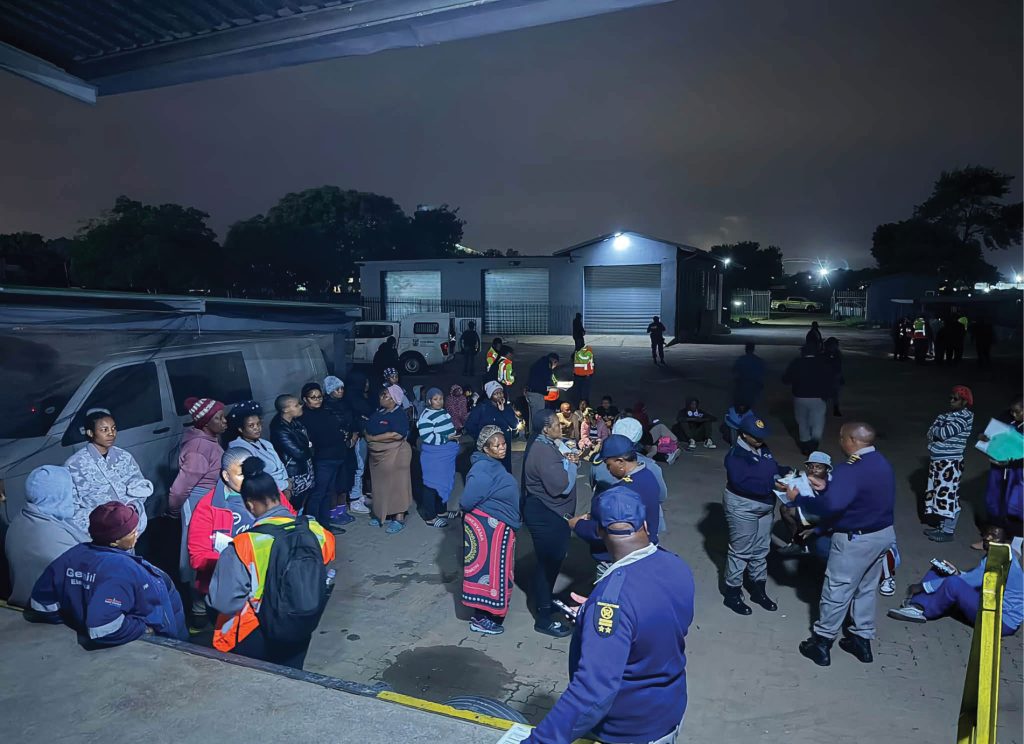
Eswatini Ministry to Investigate Arrest of 16 Citizens in South Africa
The Eswatini Ministry of Foreign Affairs and International Cooperation announced it will investigate the recent arrest of 16 Emaswati nationals during a night-time crackdown on textile factories in Newcastle, KwaZulu-Natal, South Africa, with the country’s embassy in South Africa tasked to establish the circumstances.
This development carries significant legal and diplomatic implications for both Eswatini and South Africa, particularly concerning the rights of foreign nationals and the responsibilities of host states. For practitioners, it highlights the critical importance of immigration compliance, labour law adherence, and consular protection for citizens working abroad. The investigation signals Eswatini's commitment to ensuring due process and fair treatment for its citizens detained in a foreign jurisdiction, potentially uncovering issues related to unlawful arrests, human rights violations, or exploitative labour practices within the South African textile industry.
The legal context for this situation is multi-layered, involving South African immigration law, labour law, and international consular law. In South Africa, the arrests would likely fall under the Immigration Act, 2002, which governs the status of foreign nationals, and potentially the Labour Relations Act, 1995, or the Basic Conditions of Employment Act, 1997, if labour violations are alleged. Internationally, the Vienna Convention on Consular Relations obliges South Africa to inform Eswatini of the arrests and allow consular access, ensuring the detainees' rights are protected. The Eswatini embassy's role is to provide consular assistance, monitor the legal proceedings, and advocate for its citizens' welfare, ensuring their rights under South African law and international conventions are upheld.
The key parties involved are the Eswatini Ministry of Foreign Affairs and International Cooperation, represented by Communications Officer Sikhumbuzo Bhembe; the Eswatini embassy in South Africa; the 16 arrested Emaswati nationals; and the South African authorities, including immigration officials, police, and potentially labour inspectors, who conducted the crackdown in Newcastle, KwaZulu-Natal. The textile factories where the arrests occurred are also implicitly involved, as their employment practices may come under scrutiny.
Attorneys advising Eswati nationals working in South Africa, or South African businesses employing foreign labour, should closely monitor the findings of this investigation. It serves as a stark reminder of the stringent immigration and labour compliance requirements in South Africa. Businesses must ensure all foreign employees possess valid work permits and adhere to all relevant labour laws to avoid severe penalties, including fines and potential criminal charges. Eswati legal professionals should proactively advise their citizens on their rights when detained abroad and the importance of seeking consular assistance, while South African practitioners should be prepared to defend clients against immigration or labour-related charges, ensuring due process is meticulously followed.
How does this affect you?
Get an AI analysis of this article grounded in your jurisdictions, practice areas, and any policy documents you've uploaded to Wansom.
Finish Reading the Full Story and the Expert Analysis.
Get the latest legal & regulatory intelligence in Eswatini
Wansom is AI and can make mistakes.