
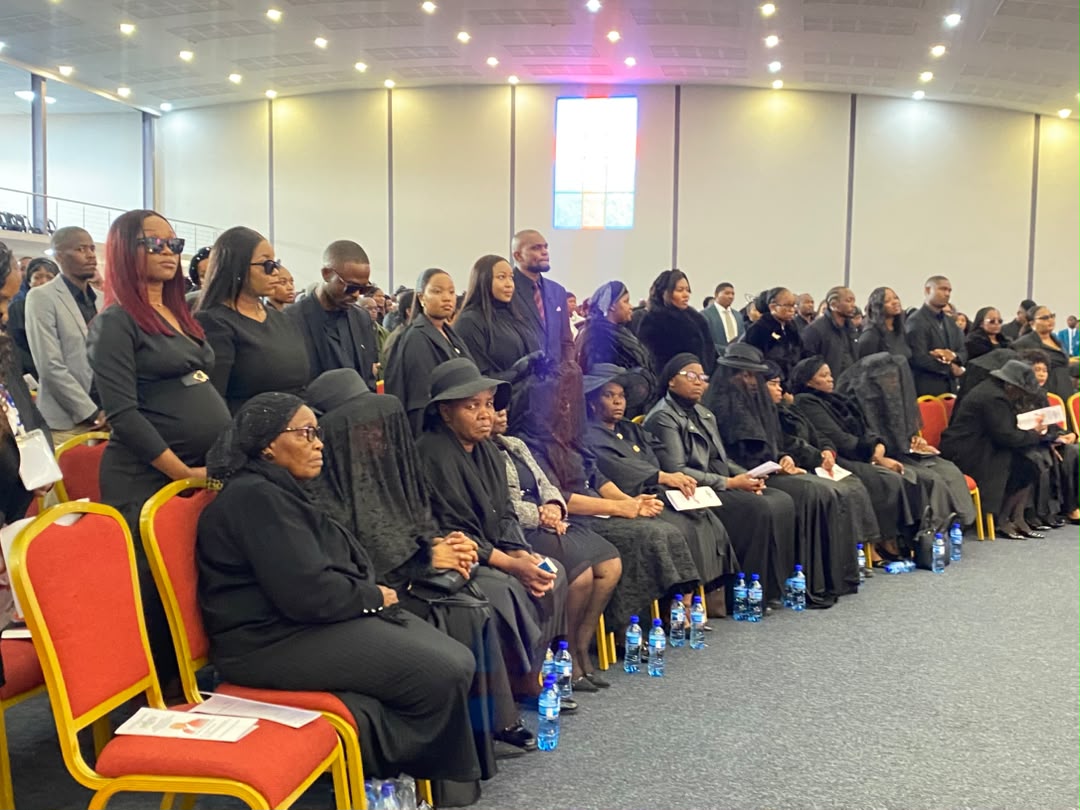
Eswatini King Mswati: Urges Maphalala Family Unity After CJ's Death
Summary
- Eswatini's King Mswati III advised the family of the late Chief Justice Bheki Maphalala to maintain unity.
- The King cautioned against allowing external influences to cause division within the family.
- This royal message followed the passing of the family's patriarch, Chief Justice Maphalala.
- Hhansense Dlamini, the Judicial Commissioner of Eswatini National Courts, accompanied by Pastors Mahlindza and another cleric, delivered the message from Their Majesties.
What Happened
By explicitly warning against outside influences and internal division, the King is reinforcing the traditional values of family solidarity that are central to Eswatini culture.
Eswatini's King Mswati III recently issued a direct caution to the family of the late Chief Justice Bheki Maphalala. The monarch's message underscored the critical importance of maintaining internal cohesion and actively resisting any external pressures that could lead to discord among family members. This royal directive was specifically aimed at preventing outside influences from sowing division within the Maphalala relatives, particularly in the sensitive period following the passing of their esteemed patriarch.
The significant message, which originated from Their Majesties, was formally conveyed to the family by Hhansense Dlamini, the Judicial Commissioner of Eswatini National Courts. Dlamini was accompanied by Pastors Mahlindza and another unnamed cleric during the delivery of this important communication. This formal presentation highlights the gravity and official nature of the King's advice, signaling the monarchy's direct involvement in fostering stability and unity within prominent Eswatini households during times of transition.
Context of the Royal Intervention
The King's intervention arrives at a particularly sensitive juncture for the Maphalala family, immediately following the death of Chief Justice Bheki Maphalala. The passing of a family head can often create a void that, in certain circumstances, may lead to disputes over various familial matters, including inheritance or leadership. It is during such vulnerable periods that external parties might attempt to exploit internal dynamics, potentially causing rifts within the family structure.
In Eswatini, the monarchy frequently assumes a paternalistic role, extending its guidance beyond traditional state affairs to encompass the broader social fabric of the nation. The message from Eswatini King Mswati regarding Maphalala family unity is therefore consistent with the traditional function of the monarch as a guardian of societal harmony and cultural values. This direct address to the family underscores the expectation that even prominent families should uphold principles of togetherness, especially during moments of grief and change. The King's counsel serves as a powerful reminder of the cultural imperative for solidarity.
Significance of the Royal Counsel
The caution issued by King Mswati III carries considerable weight, reflecting the monarch's profound authority and influence within Eswatini society. A directive from Their Majesties is not merely advisory; it often functions as a strong moral and social imperative that guides public conduct. By explicitly warning against outside influences and internal division, the King is reinforcing the traditional values of family solidarity that are central to Eswatini culture. This public stance by the King aims to preempt potential conflicts and ensure a smooth transition for the Maphalala family in the wake of their significant loss.
Such royal pronouncements are highly significant because they establish a precedent and send a clear message across the kingdom about the importance of maintaining peace and order, even at the micro-level of family units. The focus on Eswatini King Mswati Maphalala family unity highlights the monarch's commitment to preserving the integrity of foundational social structures. This type of royal intervention demonstrates the active role the monarchy takes in guiding the nation's citizens, emphasizing cohesion as a cornerstone of national well-being. The King's message serves as a public endorsement of familial harmony, reinforcing the idea that internal disputes can have broader societal implications.
Source
How does this affect you?
Get an AI analysis of this article grounded in your jurisdictions, practice areas, and any policy documents you've uploaded to Wansom.
Finish Reading the Full Story and the Expert Analysis.
Get the latest legal & regulatory intelligence in Eswatini
Wansom is AI and can make mistakes.