
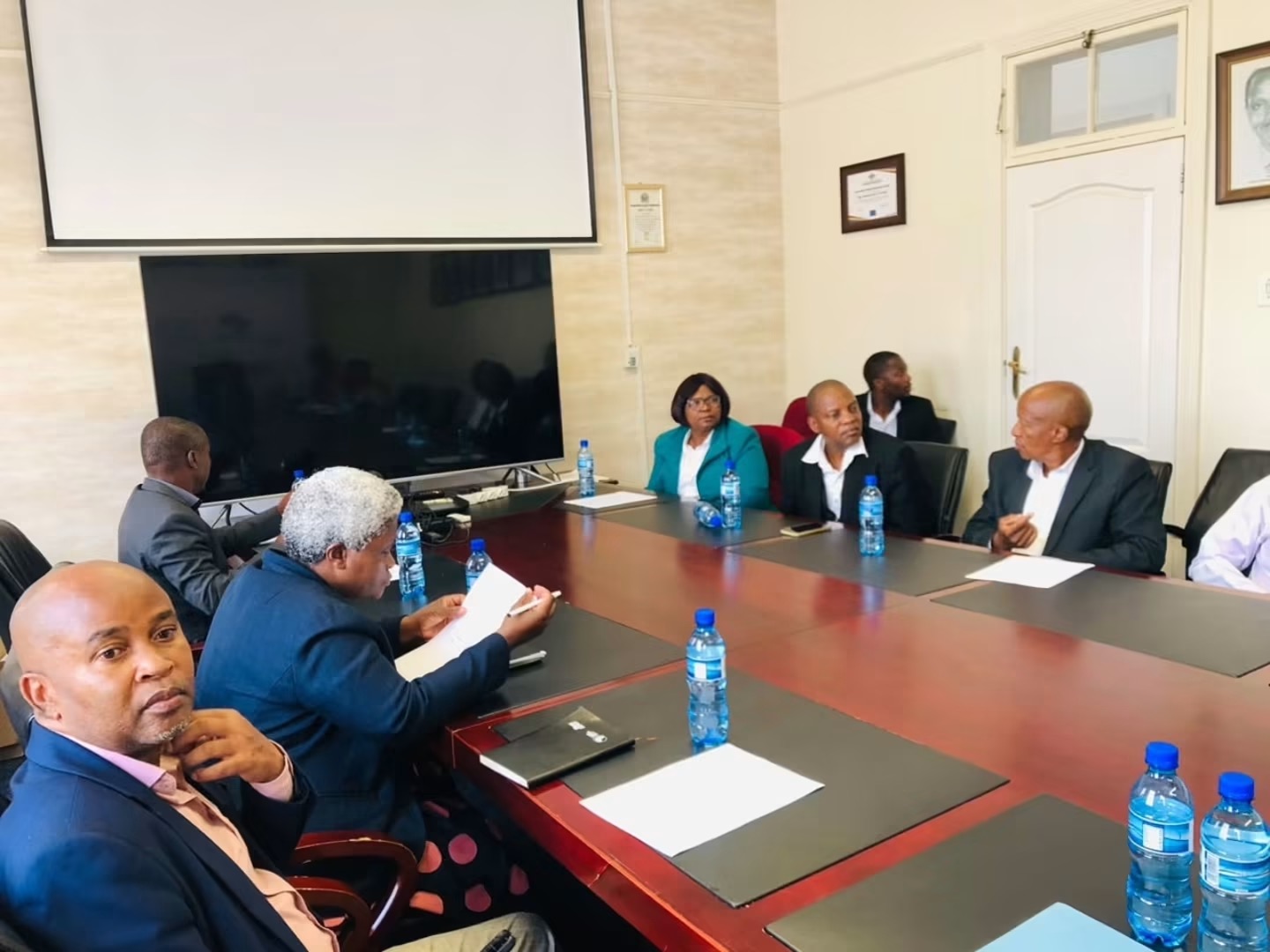
Eswatini Government Pushes Disability Inclusion Across All Sectors
The Government of Eswatini recently reaffirmed its commitment to integrating disability inclusion across all sectors, signaling a renewed focus on the rights and participation of persons with disabilities within the kingdom.
This public reiteration by the Eswatini government signifies a policy-level emphasis on embedding disability inclusion principles and practices across various governmental and societal sectors. It suggests an intention to ensure that individuals with disabilities are not marginalized but are actively involved and accommodated in all aspects of national life, from public services to employment and education. This commitment is a crucial step towards fostering a more equitable and accessible society.
For legal practitioners, this commitment is highly significant as it indicates a potential for new or strengthened legislation, policies, and regulations aimed at promoting accessibility, non-discrimination, and equal opportunities. Businesses, particularly those operating in public-facing sectors or employing a significant workforce, should anticipate increased scrutiny and potential legal obligations regarding accessibility standards, reasonable accommodation, and inclusive employment practices. For the public, it signifies a move towards a more equitable society, potentially leading to improved access to services, education, and employment for persons with disabilities.
Eswatini is a signatory to the United Nations Convention on the Rights of Persons with Disabilities (UNCRPD), which it ratified in 2012. This international instrument obliges state parties to promote, protect, and ensure the full and equal enjoyment of all human rights and fundamental freedoms by all persons with disabilities. Domestically, while specific comprehensive disability legislation might be evolving, the Constitution of Eswatini (2005) provides for fundamental rights and freedoms, which can be interpreted to include protection against discrimination. The government's reiteration of commitment suggests an intention to align national policy and potentially domestic law more closely with its international obligations under the UNCRPD. The primary party involved is the Government of Eswatini, specifically its various ministries and departments responsible for policy formulation and implementation. While no specific court or regulatory body is mentioned, future enforcement of disability inclusion policies would likely involve administrative bodies, labor tribunals, and potentially the High Court or Supreme Court in cases of rights violations.
Attorneys should advise clients, especially corporations and public institutions, to proactively review their current policies and practices regarding accessibility, employment, and service provision to ensure compliance with evolving disability inclusion standards. Monitoring legislative developments, particularly any proposed amendments to labor laws, building codes, or public service regulations, will be crucial. Businesses should consider conducting accessibility audits and developing inclusive employment strategies to mitigate future legal risks and align with the national policy direction, thereby demonstrating corporate social responsibility and legal foresight.
How does this affect you?
Get an AI analysis of this article grounded in your jurisdictions, practice areas, and any policy documents you've uploaded to Wansom.
Finish Reading the Full Story and the Expert Analysis.
Get the latest legal & regulatory intelligence in Eswatini
Wansom is AI and can make mistakes.