
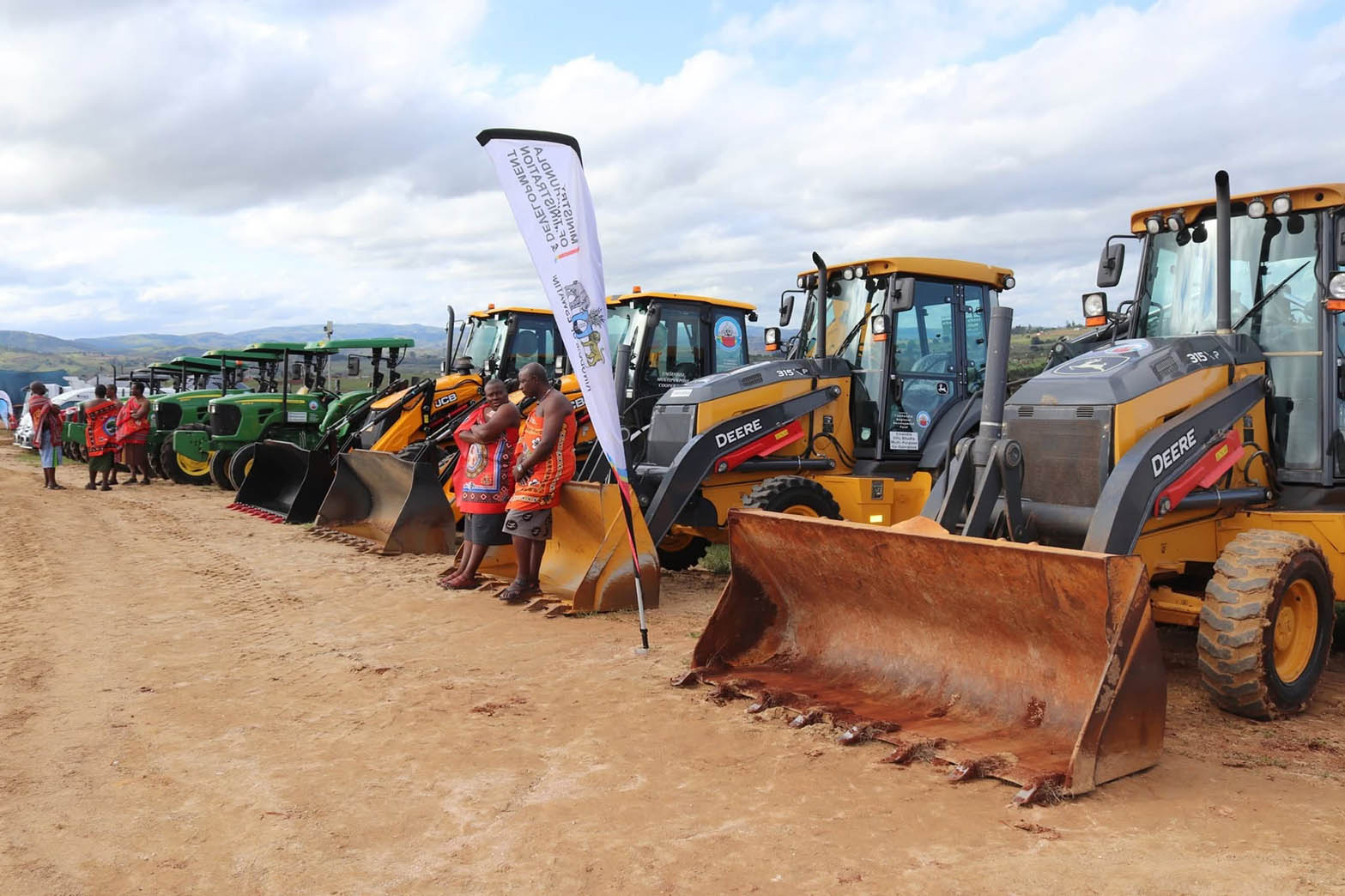
Eswatini: E600m Government Projects Stalled Amid Cash Flow Crisis
Summary
- Government projects in Eswatini valued at E600 million have stalled due to slow cash flow.
- The approved funds for these projects exist only on paper, with the budget lacking actual financing.
- Contracts for these projects were awarded despite the absence of immediate liquid funds.
- The situation negatively impacts contractors, workers, and nationwide service delivery.
- Legal advisors are urged to assess increased payment default risk for contractors and review relevant contract clauses.
Eswatini Faces Widespread Project Stoppages
For legal professionals advising contractors involved in Eswatini government projects, the current financial climate necessitates a rigorous re-evaluation of risk, particularly concerning payment default and potential project suspension.
Government-backed initiatives across Eswatini, collectively valued at approximately E600 million, have come to a standstill, marking a significant disruption in the nation's public works landscape. This widespread cessation of activity is directly attributed to a severe slowdown in cash flow, impacting numerous critical development projects. The halting of these Eswatini E600m government projects stalled has created a ripple effect, extending beyond the immediate construction sites to affect various sectors and communities nationwide.
The financial bottleneck has brought essential infrastructure development and service provision to an abrupt halt. While the precise nature of each affected project is not detailed, the broad impact suggests a diverse portfolio of public works, all now suspended due to the unavailability of liquid funds. This situation underscores a critical challenge in the execution of government commitments, where approved plans are struggling to translate into tangible progress on the ground.
Discrepancy Between Approval and Funding
A core issue underpinning the current crisis is the stark disconnect between project approval and the actual availability of funds. Reports indicate that the substantial E600 million allocated for these initiatives had indeed received official approval, suggesting that the projects were deemed necessary and viable within the national budget framework. However, the approved capital "apparently exists on paper," signifying a budgetary allocation that lacks corresponding liquid assets to finance the work.
Despite the lack of immediate financial backing, contracts for these significant public works have already been formally awarded to various contractors. This creates a precarious situation where legal obligations have been established, but the Eswatini government budget shortfalls prevent the fulfillment of payment terms. The awarded contracts, therefore, represent commitments that the current financial environment struggles to honor, leading directly to the Eswatini government contract delays now being experienced across the country.
Far-Reaching Consequences for Stakeholders
The ramifications of these stalled projects extend deeply into the economic and social fabric of Eswatini, affecting a broad spectrum of stakeholders. Contractors, who have committed resources and personnel based on awarded agreements, are now grappling with significant Eswatini contractor payment problems and the inability to proceed with their work. This not only jeopardizes their financial stability but also impacts their capacity to retain employees and manage operational costs.
Furthermore, the thousands of workers employed on these sites face immediate job insecurity and loss of income, contributing to broader economic distress. Beyond the direct participants, the nationwide impact on service delivery is a critical concern. Essential public services that rely on the completion of these infrastructure projects are now delayed or entirely suspended, directly affecting the daily lives of citizens who depend on improved facilities and utilities. This widespread disruption highlights the systemic challenges posed by SZ public works funding issues.
Legal Implications for Engaged Parties
For legal professionals advising contractors involved in Eswatini government projects, the current financial climate necessitates a rigorous re-evaluation of risk, particularly concerning payment default and potential project suspension. The reported cash flow challenges elevate the likelihood of non-payment, making it imperative for legal counsel to scrutinize existing contract clauses related to delays, non-payment, and force majeure. Understanding the precise terms governing such eventualities is crucial for determining a contractor's rights and obligations.
Lawyers should consider advising clients on strategies for dispute resolution, which may include formal negotiation, mediation, or arbitration, depending on contractual provisions. Furthermore, the possibility of contract renegotiation should be explored, aiming to establish revised payment schedules or project timelines that acknowledge the government's current financial constraints. Given the widespread Eswatini infrastructure project halts, proactive legal guidance is essential to mitigate financial losses and navigate the complex landscape of government procurement under budgetary duress.
Practical Implications
Lawyers advising contractors on Eswatini government projects should assess increased payment default risk and potential for project suspension due to reported cash flow challenges. This necessitates careful review of contract clauses related to delays, non-payment, and force majeure, and may prompt advice on dispute resolution or contract renegotiation strategies.
Source
How does this affect you?
Get an AI analysis of this article grounded in your jurisdictions, practice areas, and any policy documents you've uploaded to Wansom.
Finish Reading the Full Story and the Expert Analysis.
Wansom is AI and can make mistakes.