
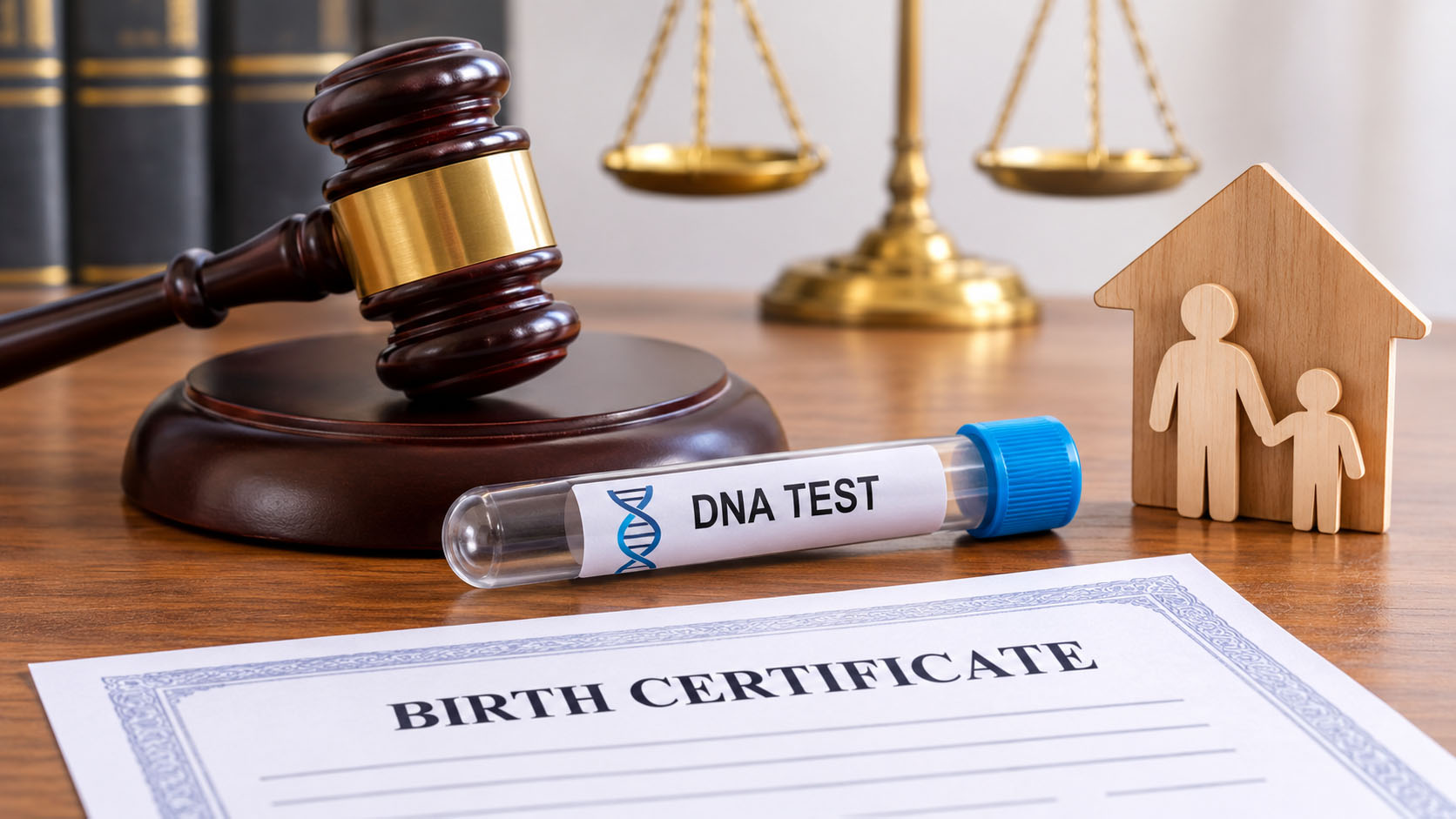
Eswatini Deceased Estate Secretary Claim: High Court to Resolve DNA Dispute
Summary
- A secretary of a deceased Eswatini businessman sought to include her child as an estate beneficiary.
- She presented the child's birth certificate to the Master's Office for this purpose.
- Alleged DNA test results reportedly contradict the birth certificate, indicating the businessman was not the father.
- The businessman's mother has approached the Eswatini High Court to resolve the estate dispute.
- The case highlights the challenges of conflicting evidence in Eswatini inheritance claims.
The Contested Claim
This particular Eswatini deceased estate secretary claim underscores the inherent complexities and potential for litigation that can arise in the administration of estates, especially when beneficiary claims are disputed.
A significant Eswatini deceased estate secretary claim has emerged, involving a former employee of a now-deceased businessman. This individual, who served as the businessman's secretary, has reportedly sought to have her child recognized as a beneficiary within his estate. The claim was formally lodged with the Master's Office, where the secretary presented the child's birth certificate as evidence to support the inclusion of the minor among the deceased's heirs.
However, this assertion of paternity and subsequent beneficiary status is reportedly challenged by existing DNA test results. These results, according to reports, allegedly indicate that the deceased businessman was not the biological father of the child in question, directly contradicting the information presented on the birth certificate. This discrepancy has introduced a complex layer of contention into the estate administration process.
In response to this unfolding Eswatini inheritance dispute, the deceased businessman's mother has taken legal action. She has initiated proceedings before the Eswatini High Court, seeking a judicial order. The precise nature of the order sought is to compel a resolution regarding her late son's estate, specifically addressing the conflicting claims and evidence surrounding the child's alleged entitlement as a beneficiary. This move underscores the serious nature of the dispute and the need for a definitive legal determination.
Navigating Estate Administration and Evidence
The Master's Office in Eswatini plays a crucial role in the administration of deceased estates, overseeing the process of identifying assets, liabilities, and, critically, legitimate beneficiaries. Typically, official documents such as birth certificates serve as primary evidence to establish familial relationships and, consequently, inheritance rights. When such documents are presented for a Master's Office Eswatini beneficiary claim, they are usually accepted as prima facie evidence.
However, the current Eswatini High Court estate dispute highlights a significant challenge that arises when conflicting evidence emerges. In this instance, the alleged existence of DNA test results that contradict the paternity indicated on a birth certificate creates a complex evidentiary dilemma. While a birth certificate is an official record, DNA evidence is often considered a more definitive scientific determinant of biological parentage, especially in modern legal contexts.
This situation forces the High Court to weigh different forms of evidence, potentially setting a precedent for how such conflicts are resolved in future Eswatini inheritance dispute cases. The court's decision will be critical in clarifying the hierarchy and reliability of evidence when a deceased businessman estate Eswatini claim is contested based on biological parentage, particularly when a DNA test estate Eswatini result is available.
Broader Implications for Inheritance Law
This particular Eswatini deceased estate secretary claim underscores the inherent complexities and potential for litigation that can arise in the administration of estates, especially when beneficiary claims are disputed. The conflict between a birth certificate and alleged DNA evidence presents a significant legal and ethical challenge, requiring careful judicial consideration to ensure fairness and adherence to the law. Such cases highlight the vulnerability of estates to contested claims, particularly those involving paternity.
The outcome of this Eswatini High Court estate dispute will have important implications for how the Master's Office and the High Court handle future beneficiary claims where paternity is contested. It emphasizes the critical need for robust legal frameworks that can effectively reconcile traditional documentary evidence with modern scientific proof. For individuals managing their estates, this case serves as a stark reminder of the importance of clear estate planning and, where appropriate, establishing paternity unequivocally during one's lifetime to prevent future Eswatini inheritance disputes.
This scenario also brings to the forefront the emotional and financial strain that such protracted legal battles can impose on the families of the deceased. The intervention of the deceased businessman's mother in seeking a High Court order demonstrates the lengths to which family members may go to protect the integrity of an estate and ensure that inheritance is distributed according to what they believe are the true wishes or biological realities concerning the deceased. The resolution of this Eswatini deceased estate secretary claim will be closely watched by legal practitioners and the public alike.
Practical Implications
This case highlights the complexities and potential for litigation in Eswatini estate administration, particularly concerning beneficiary claims based on birth certificates versus DNA evidence. Lawyers should advise clients on the importance of clear estate planning and be prepared to navigate disputes involving contested paternity in inheritance matters before the Master's Office and High Court.
Source
How does this affect you?
Get an AI analysis of this article grounded in your jurisdictions, practice areas, and any policy documents you've uploaded to Wansom.
Finish Reading the Full Story and the Expert Analysis.
Get the latest legal & regulatory intelligence in Eswatini
Wansom is AI and can make mistakes.