
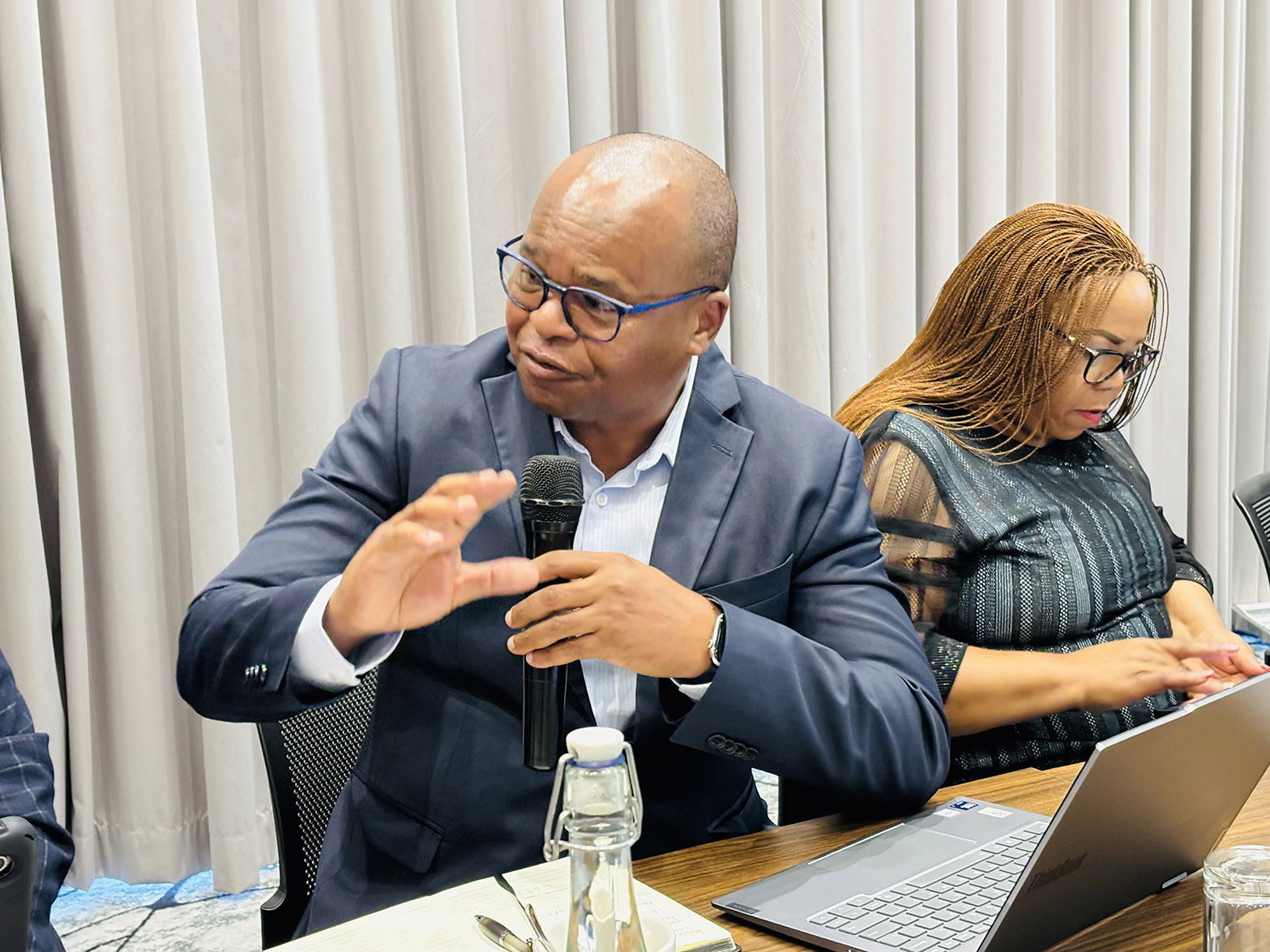
Eswatini: MPs Briefed on Citizens Economic Empowerment Act Regulations
Summary
- Eswatini is advancing new regulations to increase citizen participation in its economy.
- The proposed Eswatini Citizens Economic Empowerment Act Regulations were discussed in a workshop with Members of Parliament.
- Lincoln Motsa, Chairperson of the Citizens Economic Empowerment Council, stated that citizens are ready to take over economic space from foreign businesses.
- The regulations aim to shift economic opportunities towards EmaSwati.
- Foreign-owned businesses in Eswatini may face new compliance obligations and local ownership requirements once these regulations are finalized.
Overview of Recent Developments
Lawyers advising foreign-owned businesses in Eswatini should therefore closely monitor the ongoing developments surrounding these regulations.
The Kingdom of Eswatini is moving forward with legislative efforts aimed at increasing local participation in its economy. This push was highlighted during a recent workshop focused on the proposed Eswatini Citizens Economic Empowerment Act Regulations. The event saw Members of Parliament (MPs) receive detailed briefings on the provisions contained within these significant new rules.
During the workshop, Lincoln Motsa, who serves as both a prominent businessman and the Chairperson of the Citizens Economic Empowerment Council Eswatini, articulated a clear vision for the nation's economic future. Motsa emphasized that Eswatini citizens are prepared and eager to assume a greater role in the economic sectors currently dominated by foreign-owned enterprises. This statement underscores the foundational intent behind the EmaSwati economic empowerment legislation, which seeks to rebalance economic opportunities.
The proposed regulations are designed to facilitate this transition, creating mechanisms and frameworks that will enable EmaSwati to engage more actively in various business spheres. The engagement of MPs in this workshop signifies the legislative body's involvement in shaping these crucial economic reforms. The discussions centered on how these provisions would effectively contribute to the overarching goal of enhancing citizen economic participation across the country.
The Mandate for Citizen Empowerment
The Citizens Economic Empowerment Council Eswatini, under the leadership of Lincoln Motsa, is at the forefront of advocating for and implementing policies that promote local economic control. Motsa's assertion that citizens are ready to occupy economic space currently held by foreign entities is a direct reflection of the Council's mandate and the broader national agenda. This sentiment forms the bedrock of the proposed Eswatini Citizens Economic Empowerment Act Regulations, which are poised to become a pivotal piece of Eswatini business localization law.
These regulations are not merely administrative guidelines; they represent a strategic legislative initiative to fundamentally alter the landscape of economic ownership and operation within Eswatini. The provisions, as presented to Members of Parliament, are specifically crafted to foster an environment where EmaSwati can thrive as entrepreneurs and business owners, thereby reducing reliance on external economic actors in key sectors. The workshop served as a critical forum for lawmakers to understand the mechanisms through which this increased citizen participation is intended to be achieved.
The overarching objective of this EmaSwati economic empowerment legislation is to ensure that the benefits of economic growth are more equitably distributed among the nation's citizens. By targeting economic spaces currently occupied by foreign-owned businesses, the regulations aim to create pathways for local entrepreneurs to enter, compete, and succeed. This proactive approach by the government, supported by figures like Lincoln Motsa, signals a significant shift in economic policy direction.
Strategic Considerations for Foreign Businesses
For foreign-owned businesses currently operating within Eswatini, the progression and eventual finalization of the Eswatini Citizens Economic Empowerment Act Regulations will introduce new considerations. The stated aim of increasing citizen participation and shifting economic space implies that these entities may face new compliance obligations designed to facilitate local involvement. Lawyers advising foreign-owned businesses in Eswatini should therefore closely monitor the ongoing developments surrounding these regulations.
The provisions, once enacted, could potentially introduce requirements related to local ownership percentages, preferential procurement for EmaSwati businesses, or other forms of mandated citizen involvement in various sectors. Understanding these potential shifts is crucial for strategic planning and ensuring continued operational viability in the Eswatini market. The emphasis by Lincoln Motsa on citizens being ready to take over economic space suggests that the impact of these regulations could be substantial, necessitating proactive adjustments from foreign investors.
Therefore, legal counsel will play a vital role in helping clients navigate the evolving regulatory landscape. This includes assessing potential local ownership requirements, understanding new reporting or operational mandates, and identifying strategic adjustments needed to align with the spirit and letter of the new Eswatini business localization law. The workshop for MPs marks a significant step towards the implementation of this EmaSwati economic empowerment legislation, signaling that foreign businesses should prepare for a new era of economic engagement in the country.
Practical Implications
Lawyers advising foreign-owned businesses in Eswatini should monitor the progress and finalisation of the Citizens Economic Empowerment Act Regulations to understand new compliance obligations, potential local ownership requirements, and strategic adjustments needed for clients operating in the jurisdiction.
Source
How does this affect you?
Get an AI analysis of this article grounded in your jurisdictions, practice areas, and any policy documents you've uploaded to Wansom.
Finish Reading the Full Story and the Expert Analysis.
Get the latest legal & regulatory intelligence in Eswatini
Wansom is AI and can make mistakes.