
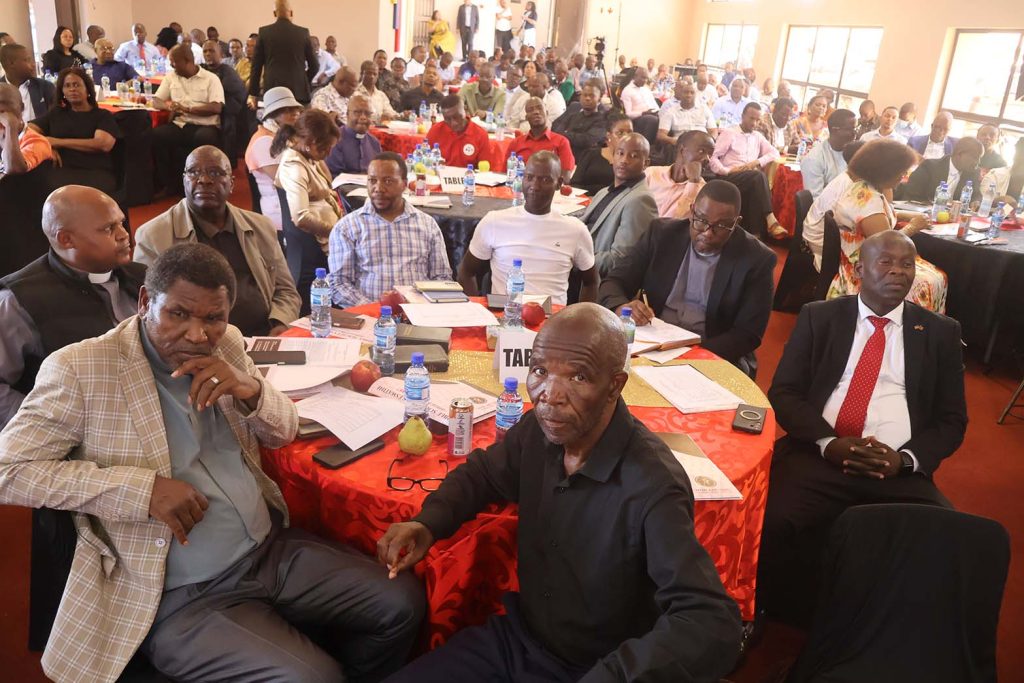
Eswatini Bible Society Faces Challenges Over South African Copyright
The copyright for the siSwati Bible in Eswatini is held by the Bible Society of South Africa, a South African organisation, which significantly restricts the printing autonomy of the local Bible Society of Eswatini, according to its Board Chairman Sicelo Dlamini. This revelation highlights a cross-border intellectual property issue where a foreign entity controls the rights to a culturally significant work within another sovereign nation. The excerpt indicates that this arrangement poses practical challenges for the Eswatini-based organisation, though the specific nature or resolution of these challenges is not detailed. The report does not specify any ongoing litigation or formal dispute, but rather points to an existing structural impediment.
This situation carries substantial legal significance for intellectual property law, particularly copyright, in both Eswatini and South Africa, and for organisations operating across borders. For practitioners, it underscores the critical importance of understanding the territorial nature of copyright and the implications of holding rights in one jurisdiction for activities in another. The key parties involved are the Bible Society of South Africa, as the copyright holder, and the Bible Society of Eswatini, which is impacted by the copyright ownership. While not explicitly named as a party, the Eswatini government and its cultural institutions could also be indirectly affected by the control of such a foundational text. The excerpt does not report any specific legal action or court involvement, but rather describes an existing legal arrangement.
The legal context for this issue primarily involves copyright law, which in both South Africa and Eswatini is generally based on international conventions like the Berne Convention for the Protection of Literary and Artistic Works. South Africa's Copyright Act 98 of 1978, as amended, governs copyright within its borders, while Eswatini's Copyright and Neighbouring Rights Act of 2018 (or its predecessor legislation at the time the copyright was secured) would apply domestically. The fact that a South African entity holds copyright over a work primarily used in Eswatini suggests either that the translation was originally commissioned or created in South Africa, or that the rights were subsequently assigned to the South African organisation. This scenario raises questions about the duration of copyright, potential public domain status, and the possibility of compulsory licensing or fair use provisions, although the excerpt provides no details on these aspects. The specific terms of the agreement between the two Bible Societies, if any, would also be crucial in understanding the full legal landscape.
Attorneys and businesses, particularly those involved in publishing, cultural heritage, or cross-border intellectual property management, should closely monitor developments related to this matter. This case serves as a potent reminder for organisations to meticulously review the ownership and licensing terms of intellectual property, especially when dealing with works of cultural or religious significance that transcend national borders. Practitioners should advise clients on the necessity of clear contractual agreements regarding copyright ownership, territorial rights, and usage permissions to avoid future operational impediments. Furthermore, it highlights the potential for local entities to seek to reclaim or license rights to culturally important works, possibly through negotiation, legislative changes, or, if necessary, legal challenges, though no such action is reported here. The outcome of this specific situation is not yet reported, but it signals a broader need for strategic IP management in a globalised context.
How does this affect you?
Get an AI analysis of this article grounded in your jurisdictions, practice areas, and any policy documents you've uploaded to Wansom.
Finish Reading the Full Story and the Expert Analysis.
Get the latest legal & regulatory intelligence in Eswatini
Wansom is AI and can make mistakes.