
California Appeals Court: ER The Pitt Lawsuit Proceeds
Summary
- A California appeals court unanimously ruled that a copyright lawsuit against the HBO Max series "The Pitt" can proceed.
- The lawsuit, brought by the Michael Crichton estate, alleges "The Pitt" is an unauthorized rebranded version of "ER" due to sufficient similarities.
- The Second District Court of Appeal upheld the denial of a motion to dismiss the intellectual property case.
- Actor Noah Wyle, a producer of "The Pitt" and star of both series, was dismissed as a defendant, along with two other producers.
- "The Pitt," an Emmy-winning series depicting a Pittsburgh emergency department, will now face further legal scrutiny regarding its originality.
The Court's Decision
This threshold for allowing an infringement case to move forward is crucial for creators and rights holders seeking to protect their original works from unauthorized adaptation or imitation.
A California appeals court recently issued a unanimous ruling that permits a significant intellectual property lawsuit to advance, centering on the alleged unauthorized rebranding of the acclaimed medical drama "ER." The decision, handed down by a three-judge panel from the California Second District Court of Appeal, determined that the HBO Max series "The Pitt" shares enough similarities with "ER" to warrant further legal proceedings. This means the claim, asserting that "The Pitt" is essentially an unauthorized derivative of "ER," can now proceed to trial, following the appellate panel's affirmation of a trial court's earlier rejection of a motion to dismiss the case.
The lawsuit was initiated by the widow and estate of Michael Crichton, the original creator of "ER." Their legal challenge contends that "The Pitt," which chronicles a real-time day in a Pittsburgh emergency department, infringes upon the copyright of Crichton's iconic series. The appellate panel's decision indicates that the initial complaint presented sufficient grounds for the litigation to continue, moving past an early dismissal attempt.
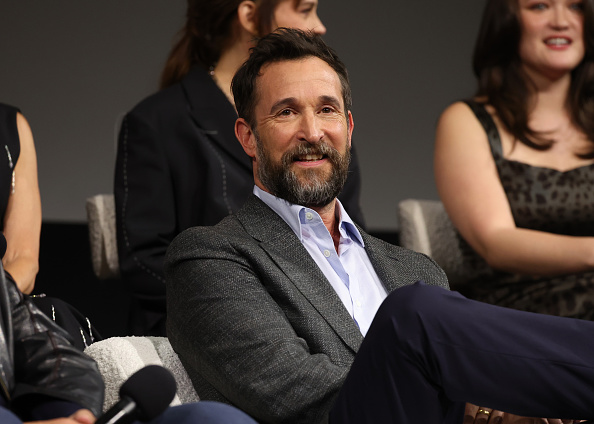
However, the appeals court did narrow the scope of the defendants. Actor Noah Wyle, who not only starred in "ER" but also produces "The Pitt" and has won two Emmy Awards for best actor for his role in the newer series, was dismissed from the lawsuit. Wyle had previously attended an an event for HBO's "The Pitt" at the David Geffen Theater in Los Angeles on June 9, 2026. Additionally, two other producers who had worked on both television series were also removed as defendants by the panel's decision. This adjustment focuses the legal battle more squarely on the corporate entities and core creative teams behind "The Pitt."
Legal Implications for Creative Works
This ruling by the California Second District Court of Appeal underscores a critical aspect of intellectual property law, particularly concerning TV show copyright similarity. The court's decision to allow the ER The Pitt lawsuit to proceed highlights that even if two creative works are not identical, a court may find sufficient similarities to overcome a motion to dismiss intellectual property claims. This threshold for allowing an infringement case to move forward is crucial for creators and rights holders seeking to protect their original works from unauthorized adaptation or imitation.
The case brought by the Michael Crichton estate against "The Pitt" producers illustrates the ongoing challenges in defining the boundaries of inspiration versus infringement within the entertainment industry. The unanimous appellate panel's affirmation of the trial court's decision to deny the motion to dismiss suggests that the alleged similarities between the two medical dramas are substantial enough to warrant a full examination of the merits. This sets an important precedent for how courts evaluate the initial stages of copyright disputes involving successful television franchises and their potential successors.
For legal professionals advising clients in creative fields, this outcome reinforces the necessity of robust intellectual property clearance processes. The fact that a case can proceed past a motion to dismiss based on perceived similarities, even when not identical, means that originality assessments for new productions, especially those that might be seen as reboots or derivative works, must be exceptionally thorough. The court's willingness to let the ER The Pitt lawsuit appeals court decision stand as a green light for further litigation signals a potentially lower bar for plaintiffs to survive early dismissal in copyright infringement cases.
Why This Matters to the Industry
The ongoing legal dispute involving "ER" and "The Pitt" carries significant implications for the broader entertainment industry, particularly concerning the development of new series that bear resemblance to established franchises. The decision by the California Second District Court of Appeal to permit the lawsuit to move forward sends a clear message about the scrutiny creative works will face when questions of copyright infringement arise. This case, involving the Michael Crichton estate and the producers of "The Pitt," serves as a potent reminder that successful new productions, such as "The Pitt" which has garnered two Emmy Awards for best drama for its first two seasons, are not immune to challenges regarding their originality and derivation, according to a story by the Associated Press.
This ruling emphasizes that the threshold for a TV show copyright similarity claim to survive an early challenge, like a motion to dismiss intellectual property litigation, can be met even without overt copying. The court's focus on "enough similarities" rather than requiring exact replication provides a broader scope for plaintiffs to pursue their claims. This could lead to increased caution among studios and production companies when developing projects that might inadvertently echo existing, protected intellectual property, especially in genres with established tropes like medical dramas.
Ultimately, the ER The Pitt lawsuit appeals court decision highlights the need for meticulous due diligence in the creative process. It underscores the importance for legal teams to guide their clients through comprehensive intellectual property audits, ensuring that new content is sufficiently distinct from prior works. The fact that this case, despite the dismissal of Noah Wyle and other producers, continues to advance, suggests a robust environment for copyright protection, where the nuances of creative expression are carefully weighed against claims of unauthorized use.
Practical Implications
This ruling highlights that courts may find sufficient similarity between creative works to allow infringement claims to proceed, even if not identical. Lawyers advising clients in entertainment or creative industries must emphasize robust intellectual property clearance processes and originality assessments to mitigate litigation risks, particularly concerning reboots or derivative works, and understand the threshold for surviving a motion to dismiss in such cases.
Source
How does this affect you?
Get an AI analysis of this article grounded in your jurisdictions, practice areas, and any policy documents you've uploaded to Wansom.
Wansom is AI and can make mistakes.