
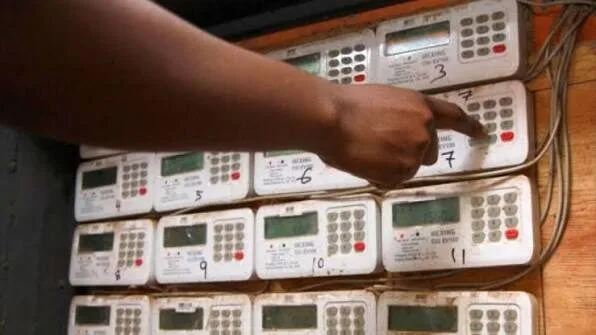
EPRA Kenya: October Electricity Charges Increase by Sh4.10/kWh
Summary
- EPRA announced new electricity tariff adjustments effective October, increasing consumer costs.
- The adjustments include a fuel energy charge of Sh3.22/kWh, a foreign exchange fluctuation charge of 87 cents/unit, and a water resource management levy of 1.34 cents/kWh.
- Combined, these charges add approximately Sh4.10 per unit to electricity bills.
- The fuel charge covers thermal and imported power costs, while the water levy supports hydropower resource management.
- Businesses and high-consumption households will face higher operating costs and increased monthly bills due to these changes.
New Electricity Tariffs Announced
For businesses, particularly those with high electricity demand, the Kenya power bill increase October translates directly into elevated operating costs.
The Energy and Petroleum Regulatory Authority (EPRA) in Kenya has announced significant adjustments to electricity tariffs, which will lead to an increase in power costs for consumers starting in October. These new monthly charges, detailed in a notice issued on Friday, October 9, include a fuel energy charge set at Sh3.22 per kilowatt-hour (kWh). This particular charge will be applied to meter readings taken in October.
In addition to the fuel energy component, the latest adjustments introduce a foreign exchange fluctuation charge of 87 cents per unit. This specific charge will be factored into meter readings from September 2026. Furthermore, a water resource management levy of 1.34 cents per kWh is being implemented, also applicable to meter readings taken in October 2026. When combined, these new charges represent an approximate additional cost of Sh4.10 for every unit of electricity consumed, directly impacting both residential and commercial users.
Understanding the Regulatory Adjustments
The various components of the EPRA Kenya October electricity charges increase serve distinct purposes, reflecting different aspects of electricity generation and supply costs. The fuel energy cost, for instance, is designed to recover expenses associated with electricity produced by thermal power plants, as well as the cost of imported power. Since thermal generation heavily relies on fuel, its cost is inherently susceptible to fluctuations in global fuel prices, necessitating such adjustments.
The water resource management levy, as outlined in the 2023 Schedule of Tariffs, is specifically intended to cover the operational and maintenance costs related to managing water resources crucial for hydropower generation. In September 2026, Kenya procured approximately 304.82 million kWh of electricity from hydropower facilities with installed capacities of at least one megawatt. Key facilities contributing to the national grid include Gitaru, Kamburu, Kiambere, Kindaruma, Masinga, and Turkwel. The foreign exchange fluctuation charge, on the other hand, accounts for changes in the cost of electricity generation and supply that arise from shifts in currency exchange rates. Many power purchase agreements and other related costs are denominated in foreign currencies, predominantly the US dollar, meaning that variations in the Kenyan Shilling's value against these currencies directly influence the amounts electricity suppliers must pay, with these adjustments subsequently passed on to consumers through their monthly bills.
Impact on Kenyan Consumers and Businesses
The Kenya electricity tariff adjustment October will have a tangible impact across all consumer segments. While each individual levy or adjustment might appear minor in isolation, their cumulative effect significantly increases the per-unit cost of electricity. This means that households with higher electricity consumption will experience a more substantial rise in their monthly bills.
For businesses, particularly those with high electricity demand, the Kenya power bill increase October translates directly into elevated operating costs. This necessitates a review of operational budgets and potentially adjustments to pricing strategies to absorb or pass on these increased expenses. The Energy and Petroleum Regulatory Authority Kenya consistently applies these monthly adjustments to electricity tariffs to account for fluctuating fuel costs, exchange rate movements, and other approved charges, making such cost variations a regular feature of the energy landscape.
Practical Implications
Lawyers advising businesses in Kenya should inform clients about the increased electricity costs due to EPRA's new charges, which will impact operational budgets and potentially necessitate adjustments to pricing strategies or financial forecasts, especially for energy-intensive industries. Compliance officers should update cost models and budget projections accordingly.
Source
How does this affect you?
Get an AI analysis of this article grounded in your jurisdictions, practice areas, and any policy documents you've uploaded to Wansom.
Finish Reading the Full Story and the Expert Analysis.
Get the latest legal & regulatory intelligence in Kenya
Wansom is AI and can make mistakes.