
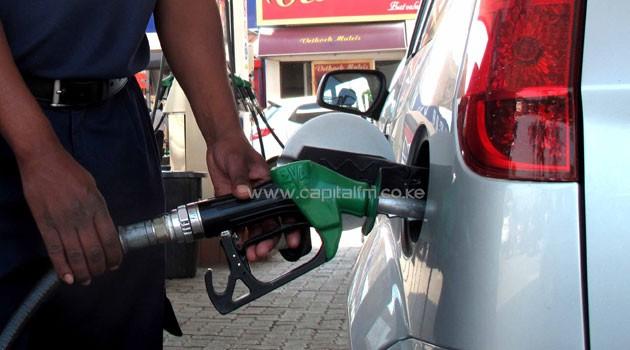
EPRA Kenya: Fuel Prices Unchanged for September Review
Summary
- The Energy and Petroleum Regulatory Authority (EPRA) announced on September 14 that fuel prices will remain unchanged for the next 30 days.
- Super Petrol will retail at Sh214.03 per litre, Diesel at Sh217.86 per litre, and Kerosene at Sh191.38 per litre.
- This decision comes despite a 7.87 percent drop in the average landed cost of Super Petrol in August.
- Conversely, the average landed costs for Diesel and Kerosene rose by 11.86 percent and 9.71 percent, respectively, in August.
- The stable prices include VAT and all other applicable taxes, offering predictability for consumers and businesses.
EPRA Maintains Fuel Prices for September Review
The decision to keep Kenya diesel petrol kerosene prices unchanged offers a predictable environment for businesses and individuals reliant on fuel.
The Energy and Petroleum Regulatory Authority (EPRA) announced on September 14 that it would maintain current petroleum pump prices across Kenya for the next 30 days. This decision means that consumers will continue to pay Sh214.03 per litre for Super Petrol, Sh217.86 per litre for Diesel, and Sh191.38 per litre for Kerosene. The announcement, made following EPRA's monthly review conducted in Nairobi, ensures a period of stability in fuel costs for the immediate future.
This stability in `EPRA Kenya fuel prices unchanged` comes despite notable fluctuations in the global cost of imported petroleum products during the preceding month. The regulatory body confirmed that the maximum allowed `Kenya petroleum pump prices September` for all three categories of fuel would remain at their existing levels, encompassing all applicable taxes, including Value Added Tax (VAT).
Regulatory Context and Market Dynamics
The `Energy and Petroleum Regulatory Authority fuel` price review is a crucial monthly exercise designed to regulate the cost of petroleum products within the country. While the retail prices have been held constant, the underlying costs of imported fuel experienced mixed changes in August. Specifically, the average landed cost for Super Petrol saw a decrease of 7.87 percent, suggesting a potential for price reduction had EPRA opted to pass on these savings.
Conversely, the average landed cost for Diesel increased by 11.86 percent, and Kerosene experienced a rise of 9.71 percent over the same period. Despite these upward pressures on Diesel and Kerosene, EPRA's directive ensures that these increases will not be immediately passed on to consumers at the pump. This decision highlights the Authority's role in balancing market dynamics with consumer and economic stability during its `EPRA monthly fuel review Kenya`.
Implications for Businesses and Consumers
The decision to keep `Kenya diesel petrol kerosene prices` unchanged offers a predictable environment for businesses and individuals reliant on fuel. For sectors heavily dependent on transportation, such as manufacturing, agriculture, and logistics, this stability is particularly significant. Companies managing `Kenya transport logistics costs` can forecast their operational expenses with greater certainty for the upcoming month, which can aid in budgeting and supply chain planning.
Legal professionals and compliance officers advising businesses should note this period of cost predictability. It provides an opportunity for clients to assess the impact on budget forecasting and review existing supply chain agreements, especially those with fuel-cost-sensitive clauses. Ensuring operational costs remain within projections for the next 30 days can be crucial for maintaining profitability and strategic planning in a market where fuel prices often dictate a significant portion of expenditure.
Practical Implications
The decision by EPRA to maintain fuel prices offers a period of cost stability for businesses operating in Kenya, particularly those with significant transport or logistics overheads. Lawyers and compliance officers should advise clients on how this predictability impacts budget forecasting, supply chain agreements, and the potential for renegotiating contracts with fuel-cost-sensitive clauses, ensuring operational costs remain within projections for the next 30 days.
Source
How does this affect you?
Get an AI analysis of this article grounded in your jurisdictions, practice areas, and any policy documents you've uploaded to Wansom.
Finish Reading the Full Story and the Expert Analysis.
Get the latest legal & regulatory intelligence in Kenya
Wansom is AI and can make mistakes.