
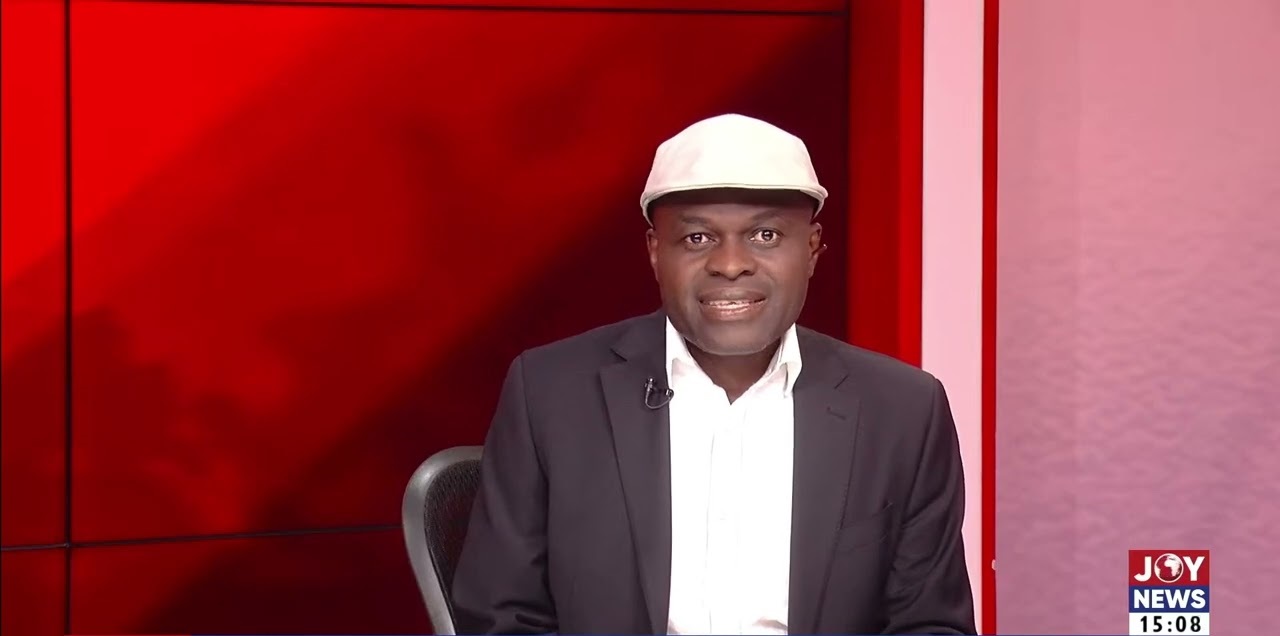
EOCO: Manhyia South MP Arrest Procedure Questioned by Kpebu
Summary
- Legal practitioner Martin Kpebu criticized EOCO's decision to seek a court warrant for the arrest of Manhyia South MP Nana Agyei Baffour Awuah.
- EOCO obtained the warrant from an Accra High Court after reporting that the MP's voluntary attendance could not be secured.
- Kpebu argued that Section 20 of Act 300 mandates law enforcement to write to the Speaker of Parliament, who then makes the MP available.
- He expressed concern that requiring MPs to report to a police station could lead to prolonged and potentially abusive detention.
- The parliamentary procedure ensures MP cooperation with investigations while safeguarding their official privileges.
The Recent Controversy
By channeling requests through the Speaker and conducting engagements within Parliament, the procedure aims to strike a balance: ensuring that MPs cooperate with legitimate investigations while simultaneously protecting the inherent privileges associated with their office.
Private legal practitioner Martin Kpebu recently voiced strong objections to the Economic and Organised Crime Office's (EOCO) method for engaging a sitting Member of Parliament. His critique, delivered on Joy FM’s Top Story on September 30, 2026, centered on EOCO's decision to obtain a court warrant for the arrest of Nana Agyei Baffour Awuah, the representative for Manhyia South. This move by EOCO followed an Accra High Court ruling that granted the agency the warrant, after it informed the court that all reasonable efforts to secure the legislator's voluntary appearance had been exhausted.
This judicial authorization came approximately one week after a prior incident on September 23, when EOCO officers made an attempt to apprehend the Manhyia South MP directly at the Accra High Court. That earlier encounter reportedly escalated into a chaotic confrontation, underscoring the tensions surrounding the EOCO arrest Manhyia South MP procedure. Mr. Kpebu specifically questioned the necessity of pursuing a Nana Agyei Baffour Awuah arrest warrant when, in his view, a well-established parliamentary protocol exists for such situations.
Established Legal Framework for MP Engagement
Mr. Kpebu highlighted that while arrest warrants serve as an important additional safeguard within law enforcement processes, the Ghanaian legal system already provides a clear mechanism for securing the attendance of Members of Parliament. He pointed to Section 20 of Act 300, known as the Parliament Act, which outlines this specific procedure. According to this statute, any law enforcement agency wishing to engage with an MP must formally communicate their request in writing to the Speaker of Parliament, providing a comprehensive explanation of the matter. The Speaker is then responsible for facilitating the MP's availability.
The legal expert expressed bewilderment regarding EOCO's choice to pursue a court warrant, given the existence and accessibility of this parliamentary channel. He emphasized that the established protocol for a Ghana parliamentary privilege arrest is designed to ensure cooperation while respecting the unique position of elected representatives. Furthermore, Mr. Kpebu commended the current practice adopted by Speakers, where, upon making an MP available, they instruct law enforcement officials to conduct their engagement within the parliamentary precincts, rather than requiring the MP to report to a police station. This approach underscores the importance of the Speaker of Parliament MP availability in such matters.
Protecting Parliamentary Privilege and Preventing Abuse
The rationale behind adhering to the parliamentary procedure, as articulated by Martin Kpebu Ghana MP arrest concerns, extends beyond mere formality. Mr. Kpebu raised significant concerns about the potential for abuse if Members of Parliament are compelled to report directly to police stations for questioning or arrest. He warned that such a scenario could create an opening for "vindictive mean police officers" or "overzealous" individuals, or even a government with ulterior motives, to unduly prolong an MP's detention, potentially keeping them "from morning to evening."
This potential for prolonged and unwarranted detention underscores the critical role of the parliamentary protocol in upholding Ghana parliamentary privilege arrest safeguards. By channeling requests through the Speaker and conducting engagements within Parliament, the procedure aims to strike a balance: ensuring that MPs cooperate with legitimate investigations while simultaneously protecting the inherent privileges associated with their office. This mechanism is crucial for preventing procedural irregularities and maintaining the integrity of both law enforcement and the legislative body.
Practical Implications
This article clarifies the specific legal procedure for law enforcement agencies (like EOCO) to engage with or arrest a Member of Parliament in Ghana, emphasizing the role of the Speaker and Parliament. Lawyers advising government bodies or MPs must understand these protocols to ensure compliance with parliamentary privilege and avoid procedural irregularities, which could lead to legal challenges or political disputes.
Source
How does this affect you?
Get an AI analysis of this article grounded in your jurisdictions, practice areas, and any policy documents you've uploaded to Wansom.
Finish Reading the Full Story and the Expert Analysis.
Get the latest legal & regulatory intelligence in Ghana
Wansom is AI and can make mistakes.