
Al-Burhan: UN Envoy Discusses Prisoner Exchange in Sudan
Summary
- Abdel Fattah Al-Burhan met with UN Envoy Pekka Haavisto on September 6, 2026, to discuss prisoner exchange and civilian protection.
- Haavisto's visit to Khartoum was his third since March 2026, following a phone call with RSF Commander Hemedti on September 3, 2026, about de-escalation.
- The UN envoy emphasized continuing discussions for prisoner and civilian detainee exchange, in close cooperation with the ICRC.
- Haavisto initiated a prisoner release proposal in June 2026, which the Sudanese government welcomed, while accusing the RSF of detaining over 20,000 people.
- The necessity of unified examinations across Sudan was also highlighted by Haavisto as a grave concern for the international community.
High-Level Diplomatic Engagement in Sudan
He articulated a clear expectation for continued discussions aimed at facilitating the exchange of both military prisoners and civilian detainees.
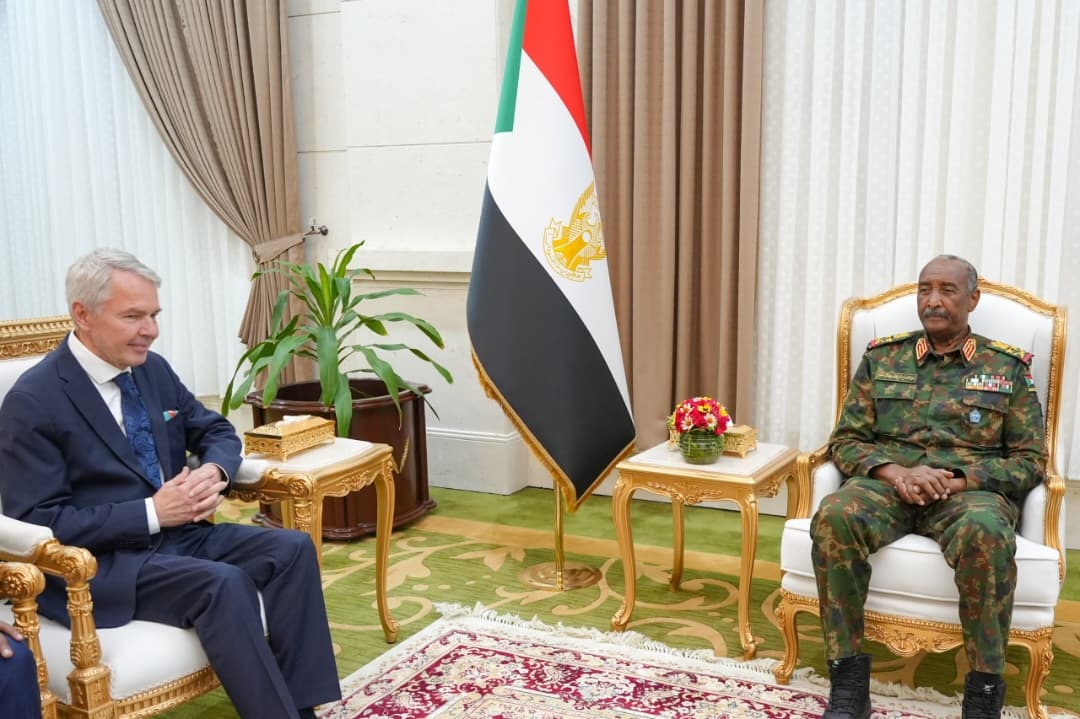
Abdel Fattah Al-Burhan, who serves as both Chairman of Sudan's Sovereignty Council and Commander of the Army, recently convened a meeting with Pekka Haavisto, the United Nations Secretary-General's Envoy to Sudan. The discussions, held at the Republican Palace on Sunday, September 6, 2026, encompassed critical issues including the exchange of prisoners and the imperative of civilian protection. This high-level interaction forms part of broader efforts to address the country's complex situation, foster enhanced security and stability, and ultimately achieve comprehensive peace across Sudan.
Envoy Haavisto's visit to Khartoum, which commenced on Friday, September 4, 2026, marked his third official trip since assuming his role in March 2026. Preceding his arrival, on Thursday, September 3, 2026, Haavisto engaged in a telephone conversation with Mohamed Hamdan "Hemedti," the commander of the Rapid Support Forces (RSF). Their dialogue focused on crucial de-escalation measures and strategies for safeguarding civilians amidst the ongoing conflict. The details of the meeting between Al-Burhan and Haavisto were subsequently released in a statement by the Sovereignty Council, underscoring the official nature and significance of these diplomatic overtures.
Focus on Humanitarian Concerns and Detainee Rights
During his engagement with Al-Burhan, Pekka Haavisto conveyed vital messages centered on de-escalation and the protection of civilian populations. He articulated a clear expectation for continued discussions aimed at facilitating the exchange of both military prisoners and civilian detainees. This objective is slated for close collaboration with the International Committee of the Red Cross (ICRC), highlighting the international community's commitment to humanitarian law and detainee rights in Sudan.
Haavisto had previously launched an initiative in June 2026, advocating for the release of prisoners held by both parties to the conflict. This proposal received a swift and positive reception from the Sudanese government. The government, for its part, has accused the Rapid Support Forces of holding more than 20,000 individuals in substandard detention facilities located within North and South Darfur states, underscoring the urgent need for transparent and humane prisoner release mechanisms.
Broader Implications for Stability and Accountability
Beyond the immediate humanitarian concerns, Envoy Haavisto also underscored the critical importance of implementing unified examinations throughout Sudan. He emphasized that the issue of standardized national examinations represents a significant concern for the international community, with the United Nations actively seeking to preserve stability and educational continuity. These multifaceted diplomatic efforts, including the Al-Burhan UN envoy prisoner exchange Sudan discussions, reflect a sustained international push to address the conflict's wide-ranging impacts.
The ongoing Pekka Haavisto Sudan talks, particularly those focusing on Sudan civilian protection discussions and ICRC Sudan prisoner release, are crucial for establishing potential legal frameworks for accountability and reconciliation. The Al-Burhan Haavisto meeting and related Sudan de-escalation efforts signal a persistent engagement by the UN to mitigate suffering and lay groundwork for a more stable future. Monitoring these developments is essential for understanding how international mediation might influence future legal strategies concerning detainee rights, civilian protection, and accountability for conflict-related actions.
Practical Implications
This development signals ongoing international efforts to address humanitarian law concerns in Sudan, which could impact future legal strategies concerning detainee rights, civilian protection, and accountability for conflict-related actions. Lawyers should monitor these discussions for potential legal frameworks or amnesties that may arise from UN and ICRC mediation.
Source
How does this affect you?
Get an AI analysis of this article grounded in your jurisdictions, practice areas, and any policy documents you've uploaded to Wansom.
Finish Reading the Full Story and the Expert Analysis.
Wansom is AI and can make mistakes.