
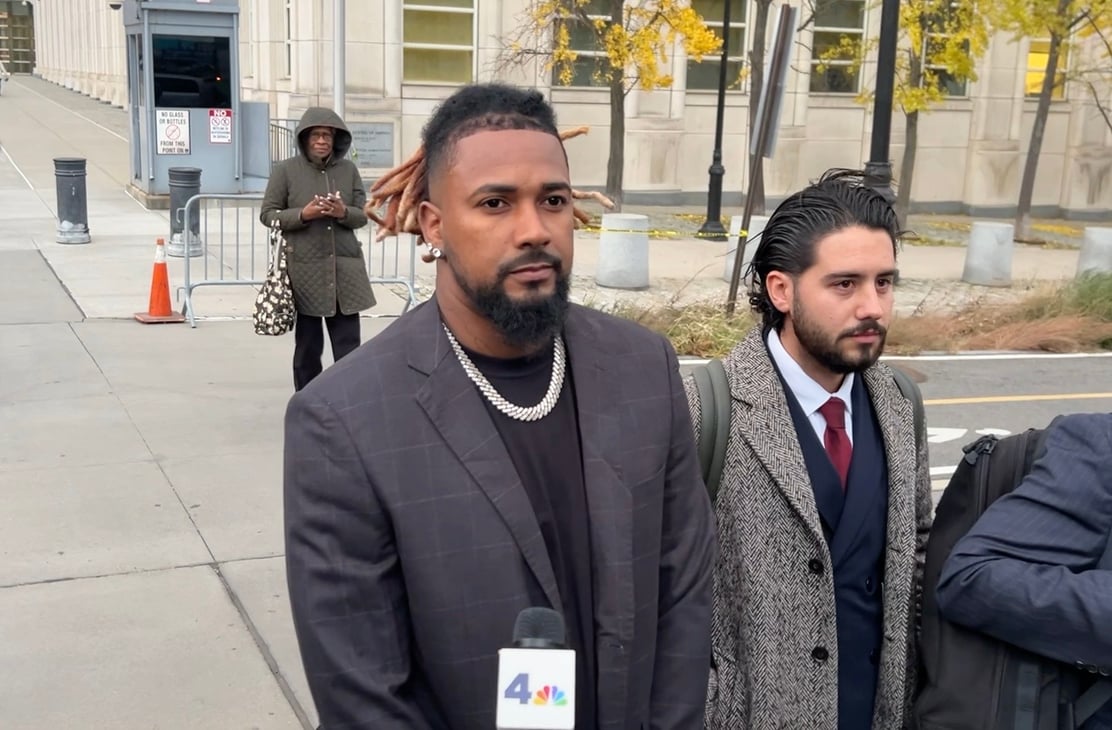
Emmanuel Clase Rigged Pitches Trial: Federal Case Unfolds in Brooklyn
Summary
- MLB pitchers Emmanuel Clase and Luiz Ortiz are on trial for conspiracy, wire fraud, and bribery related to an alleged betting scheme.
- Prosecutors claim Clase provided 'inside information' on his pitches, enabling proposition bets totaling around $500,000 on platforms like DraftKings.
- A cooperating witness testified to winning over $14,000 using Clase's coded tips and will surrender nearly $70,000 in winnings under a deferred prosecution agreement.
- The defense argues Clase was exploited by an alleged 'serial liar' with a gambling addiction, denying his involvement in a conspiracy.
- The trial highlights the severe legal and reputational risks for athletes involved in manipulating sporting contests and the importance of sports integrity.
Trial Underway for Rigged Pitches Allegations
This ongoing criminal trial underscores the severe legal and reputational risks for professional athletes involved in sports betting schemes using insider information, highlighting potential charges like wire fraud, money laundering, and bribery.
The first week of a federal trial has concluded in Brooklyn, focusing on allegations that two Major League Baseball pitchers, Emmanuel Clase and Luiz Ortiz, engaged in a scheme involving rigged pitches and insider betting. Both former Cleveland Guardians players face serious conspiracy charges, including wire fraud, honest services wire fraud, influencing sporting contests by bribery, and money laundering. These charges carry potential prison sentences of up to 20 years for the most severe counts, underscoring the gravity of the accusations.
Central to the prosecution's case is the testimony of cooperating witnesses who claim to have used confidential information provided by the players to place bets. Robinson Vasquez, identified as a friend of Clase, is also standing trial alongside the pitchers. The proceedings are expected to continue for three weeks, with the court hearing detailed accounts and evidence regarding the alleged manipulation of game outcomes for financial gain.
The Alleged Betting Scheme Unveiled
Prosecutors contend that Emmanuel Clase, the Guardians’ former closer, who is currently on the restricted list, communicated specific details about his upcoming pitches to a network of bettors through an intermediary, Enoc Peña. This alleged insider information included whether Clase would throw a ball or a pitch below 94.95 mph, enabling proposition bets that collectively amounted to approximately half a million dollars. Luis de Aza, a government cooperator, testified that he utilized this information, passed along by Peña, to place wagers on Clase’s pitches, often through DraftKings.
Evidence presented by Assistant U.S. Attorney Sean Sherman included text messages, phone call records, and spreadsheets detailing de Aza’s 2023 season bets. These records showed de Aza placing multiple wagers on individual pitches, sometimes using an account registered in his wife’s name, following communications from Peña. A translated text message from Clase, shown to the jury, read, “it’s chicken number three after killing the first two, [play/bet] on three,” with a follow-up, “And if I can’t kill him, don’t [play/bet].” De Aza interpreted this coded message to mean Clase, the Guardians' former closer and a known cockfighting enthusiast, would intentionally rig his next pitch after striking out the first two batters. Sherman also presented evidence that de Aza won over $14,000 in June 2023 from a parlay bet that combined a prediction on one of Clase’s pitches with another game, placed shortly after a call from Peña. Under a deferred prosecution agreement, de Aza is set to surrender nearly $70,000 in winnings.
Defense Strategy and Legal Precedent
The defense attorneys for Clase have vehemently denied his involvement in any conspiracy, instead portraying him as a victim. They have pointed the finger at Enoc Peña, describing him as a “serial liar” with a gambling addiction who allegedly exploited Clase to defraud his friends. Both de Aza and another cooperating witness confirmed sharing their winnings with Peña, a detail the defense uses to bolster their narrative. Clase’s defense attorney, Michael Bronson, asserted in his opening statement that his client was not a co-conspirator but rather “Mr. Peña’s mark,” targeted for exploitation.
Prior to the Emmanuel Clase rigged pitches trial commencing, U.S. District Judge Kiyo Matsumoto, who is on senior status, rejected motions from both players to dismiss the charges, as well as Luiz Ortiz’s request for a separate trial. This decision paved the way for the current proceedings, which have also featured defense witness testimony. Former Guardians catcher Bo Naylor, now with the Milwaukee Brewers, testified that after reviewing footage of Clase’s pitches, including those under scrutiny, none appeared unusual. Naylor explained the strategic communication between catchers and pitchers but acknowledged aspects during cross-examination, providing a counterpoint to the prosecution's claims of manipulated play.
Broader Implications for Sports Integrity
This ongoing criminal trial underscores the severe legal and reputational risks for professional athletes involved in sports betting schemes using insider information, highlighting potential charges like wire fraud, money laundering, and bribery. Assistant U.S. Attorney Rebecca Urquiola, in her opening statement, characterized Clase and Ortiz as “cheaters” whose tips facilitated rigged bets amounting to hundreds of thousands of dollars. She emphasized that the thrill of baseball lies in its unpredictability, a quality allegedly undermined by the defendants who, she claims, informed their associates “exactly what was going to happen … before the game even started.”
The case serves as a stark reminder of the challenges facing sports organizations and betting platforms in maintaining integrity. For compliance officers, it highlights the critical need for robust monitoring and preventative measures against illicit activities, such as those implicated in this MLB betting scandal. The prosecution's focus on the integrity of the game, coupled with the serious nature of the Luiz Ortiz conspiracy charges and the allegations of influencing sporting contests by bribery, signals a strong stance against any actions that could compromise the fairness and public trust in professional sports.
Practical Implications
This ongoing criminal trial underscores the severe legal and reputational risks for professional athletes involved in sports betting schemes using insider information, highlighting potential charges like wire fraud, money laundering, and bribery. For compliance officers in sports organizations and betting platforms, it emphasizes the critical need for robust integrity measures and monitoring to prevent and detect such illicit activities.
Source
How does this affect you?
Get an AI analysis of this article grounded in your jurisdictions, practice areas, and any policy documents you've uploaded to Wansom.
Wansom is AI and can make mistakes.