
الدعم السريع: هجوم منجم أم بادر شمال كردفان يطرد عمالاً
Summary
- Thousands of civilians fled Hamra al-Sheikh, North Kordofan, on September 20, 2026, due to an army advance on Rapid Support Forces (RSF) strongholds.
- A column of RSF attacked a traditional gold mining site in Um Badr, forcibly evacuating miners.
- The Sudanese army and its allies launched their broadest military operation in months in North Kordofan, seizing dozens of villages and RSF supply routes from Darfur.
- The Emergency Lawyers Group reported widespread civilian displacement and condemned the unprecedented RSF military mobilization within Hamra al-Sheikh's residential areas.
- RSF elements retreated to Sodari, Al-Mazroub, Um Badr, and Hamra al-Sheikh in western North Kordofan under military pressure.
Escalating Conflict and Civilian Displacement
The Emergency Lawyers Group unequivocally condemned this military buildup within civilian-populated zones, emphasizing the severe risks it poses to non-combatants.
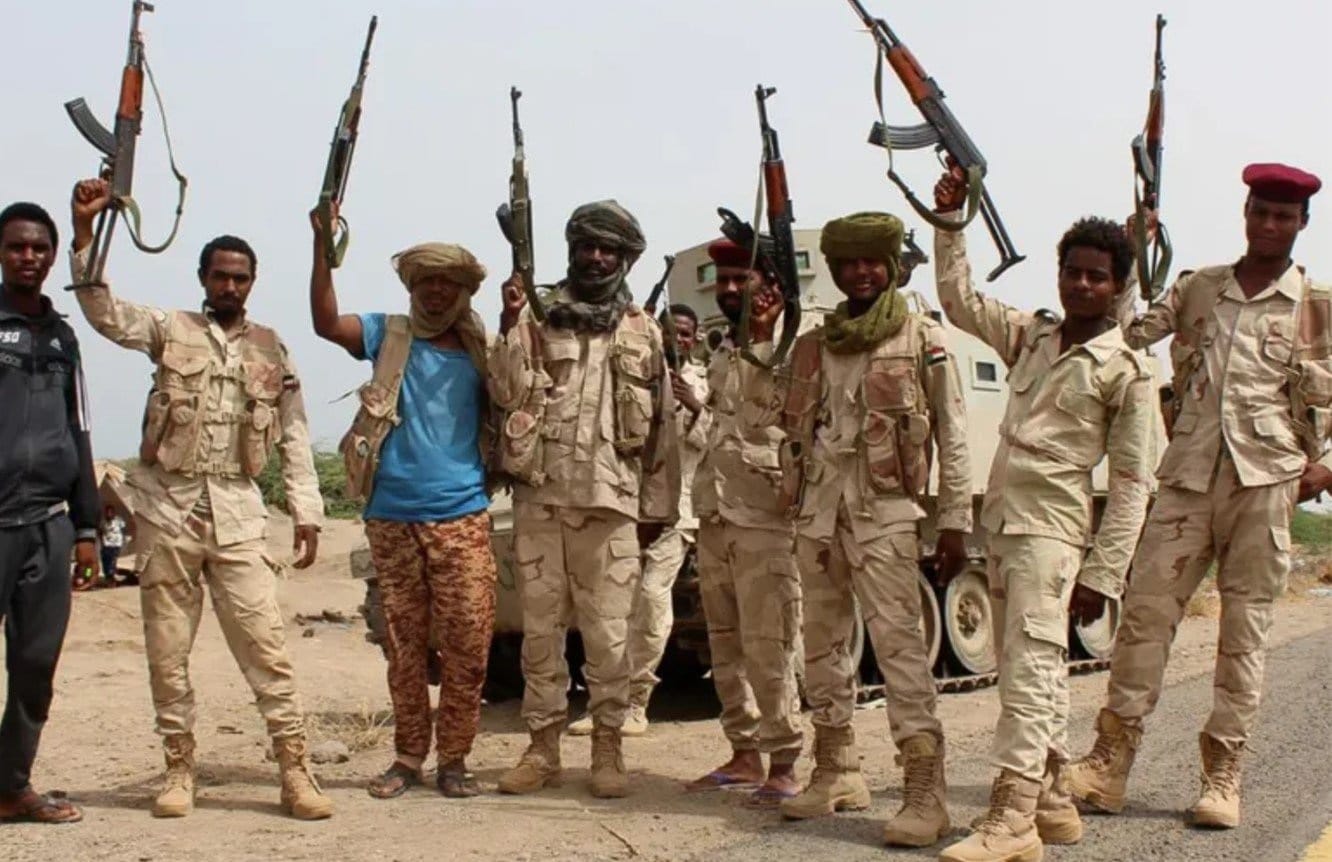
Thousands of civilians fled the town of Hamra al-Sheikh in Sudan's North Kordofan State on Sunday, September 20, 2026, as the Sudanese army and its allied forces advanced rapidly towards the last remaining strongholds of the Rapid Support Forces (RSF) in the region. This mass exodus coincided with a separate incident where a column of RSF fighters launched an attack on a traditional gold mining site located in the town of Um Badr, forcibly expelling the miners from the premises.
These events unfolded amidst a significant military escalation. Since the middle of the previous week, the Sudanese army, alongside its allied Joint Force, initiated a military offensive that marked the most extensive operation in months across North Kordofan State. This concerted effort enabled government-aligned forces to secure control over dozens of scattered villages and effectively cut off crucial supply routes utilized by the RSF, which originate from the Darfur region. Faced with this mounting military pressure, elements of the Rapid Support Forces were compelled to retreat, consolidating their positions in areas such as Sodari, Al-Mazroub, Um Badr, and Hamra al-Sheikh, all situated in the far western part of North Kordofan.
Humanitarian Crisis and Legal Condemnation
The widespread displacement of civilians from Hamra al-Sheikh, Sudan, has drawn sharp criticism and concern from human rights organizations. The Emergency Lawyers Group, a prominent legal advocacy body, issued a statement confirming a significant wave of civilian displacement from the Hamra al-Sheikh area in North Kordofan State, directly attributing it to the ongoing military operations in the vicinity. Their observations revealed an unprecedented scale of military mobilization by the Rapid Support Forces within the region since the conflict began.
The group highlighted that RSF forces and their vehicles were extensively deployed within residential areas and among civilian homes, a tactic that directly prompted residents to abandon their communities. Many of those fleeing were left without shelter, forced to remain in the open, while others sought refuge in Um Sinta, another locality within North Kordofan State, or traveled further to Al-Dabba city in the Northern State. The Emergency Lawyers Group unequivocally condemned this military buildup within civilian-populated zones, emphasizing the severe risks it poses to non-combatants.
Strategic Implications and Resource Control
The recent military maneuvers carry significant strategic implications for the broader conflict in Sudan. The army's successful seizure of RSF supply routes originating from Darfur represents a critical blow to the Rapid Support Forces' logistical capabilities and their ability to sustain operations in North Kordofan. This disruption could severely impede the movement of personnel and resources for the RSF, potentially altering the balance of power in the region.
Furthermore, the incident involving the الدعم السريع هجوم منجم أم بادر شمال كردفان underscores the critical role that resource control, particularly over traditional gold mining sites, plays in the ongoing conflict. The forcible evacuation of miners from the Um Badr site by قوات الدعم السريع شمال كردفان suggests an attempt to secure or deny access to valuable assets, which can fund military activities. Such actions not only exacerbate the humanitarian crisis but also introduce further instability, impacting local economies and potentially fueling prolonged conflict over natural resources.
Source
How does this affect you?
Get an AI analysis of this article grounded in your jurisdictions, practice areas, and any policy documents you've uploaded to Wansom.
Finish Reading the Full Story and the Expert Analysis.
Get the latest legal & regulatory intelligence in Sudan
Wansom is AI and can make mistakes.