
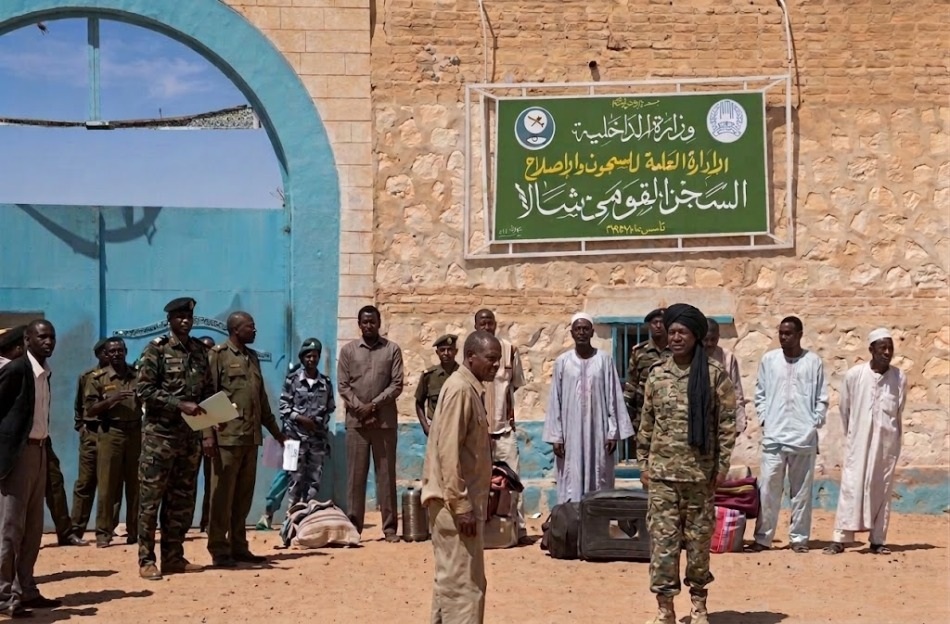
RSF: Volunteer Dies In Shala Prison El Fasher Custody
Summary
- The Sudan Doctors Network announced on September 20, 2026, the death of humanitarian volunteer Al-Tayeb Al-Toum Marsal in RSF detention facilities.
- Marsal died in Shala Prison in El Fasher, North Darfur, after being detained since the city's fall to the RSF in October 2025.
- His death is one of many among over 3,000 individuals held by the RSF in various undeclared detention sites, including converted El Fasher University buildings.
- Detainees have been cut off from family contact for about a year, with their health and humanitarian conditions largely unknown.
- The Sudan Doctors Network holds the RSF responsible for these deaths and calls for adherence to international humanitarian law and access for aid organizations.
Tragic Death in RSF Custody
The tragic death of Al-Tayeb Al-Toum Marsal underscores the severe human rights abuses and disregard for international humanitarian law prevalent in RSF detention facilities across Sudan.
The Sudan Doctors Network announced on Sunday, September 20, 2026, the death of humanitarian volunteer Al-Tayeb Al-Toum Marsal. He passed away while held in detention facilities operated by the Rapid Support Forces (RSF) at Shala Prison in El Fasher, the capital of North Darfur. Marsal had been in custody since the city's fall to RSF control.
El Fasher came under the command of the RSF in October 2025, following an intense period of months-long fighting and a protracted siege. This military takeover precipitated a severe humanitarian crisis, marked by the displacement of a significant portion of the population and a drastic deterioration of living conditions. Reports from the period also documented widespread violations against civilians and numerous detentions occurring both within the city and its surrounding areas. The tragic `مقتل متطوع سجن شالا الفاشر RSF` highlights the grave risks faced by individuals detained in conflict zones.
Widespread Detentions and Unknown Fates
The death of `الطيب التوم مرسال مقتل` is not an isolated incident but rather one of many fatalities reported among individuals held in the RSF's undeclared detention facilities. The Sudan Doctors Network has indicated that communication between these detainees and their families has been severed for approximately one year, with the RSF actively preventing any contact. This enforced isolation leaves the health and humanitarian conditions of those held largely unknown, particularly for those in `معتقلات الدعم السريع` within El Fasher.
Estimates suggest that the RSF has detained over 3,000 people across various locations. These include `سجن شالا الفاشر`, other established prisons, private homes converted into makeshift detention centers, and even buildings belonging to El Fasher University that have been repurposed for holding captives. The extensive network of these unofficial sites underscores the systematic nature of these detentions and the challenges in monitoring the welfare of those held.
Urgent Legal and Humanitarian Concerns
The issue of detainees represents a critical humanitarian and human rights challenge within the ongoing conflict in Sudan. There have been persistent calls for the RSF to disclose the locations of all civilian detention sites and to ensure that all individuals are treated in strict accordance with `القانون الدولي الإنساني السودان`. Furthermore, humanitarian and medical organizations have repeatedly demanded access to these detainees to assess their conditions and provide necessary aid.
The Sudan Doctors Network explicitly holds the RSF responsible for the deaths occurring in their custody and for the dire conditions faced by those detained. The tragic death of Al-Tayeb Al-Toum Marsal underscores the severe human rights abuses and disregard for international humanitarian law prevalent in RSF detention facilities across Sudan. This incident, along with the broader pattern of `الدعم السريع انتهاكات`, provides critical evidence for legal professionals engaged in accountability efforts or advising clients on human rights due diligence and operational risks in conflict-affected regions, emphasizing the urgent need for international scrutiny and intervention.
Practical Implications
This incident highlights ongoing violations of international humanitarian law and human rights by the RSF in Sudan, providing critical evidence for lawyers engaged in accountability efforts or advising clients on human rights due diligence and operational risks in conflict-affected regions.
Source
How does this affect you?
Get an AI analysis of this article grounded in your jurisdictions, practice areas, and any policy documents you've uploaded to Wansom.
Finish Reading the Full Story and the Expert Analysis.
Get the latest legal & regulatory intelligence in Sudan
Wansom is AI and can make mistakes.